China’s Tianqi Lithium to favour domestic salt lakes over Africa amid resource nationalism
In response to Zimbabwe’s export ban, two Chinese companies have promised to build a domestic lithium sulphate plant

Amid geopolitical tensions, China’s Tianqi Lithium has decided to skip Africa and will stick to domestic salt lakes to secure the supply of a battery mineral, according to its president Frank Ha Chun-shing.
The move comes as the oil shock stemming from Middle Eastern conflicts is driving up global demand for electric vehicles (EVs) and battery energy storage systems (BESSs).
Lithium, which can be extracted from hard rock and salt flat brines, can be processed into lithium carbonate, a raw material widely used in consumer end markets that include electronics and drones.
Tianqi, which operates the world’s largest lithium brines in Chile and the world’s largest hard-rock lithium mine project in Australia, is facing tighter restrictions in its overseas operations amid resource nationalism.
In Zimbabwe, the world’s seventh-largest supplier of hard-rock lithium, the government suspended the export of lithium concentrates in late February to force foreign miners to invest in local processing. Meanwhile, in Chile, Tianqi lost significant influence over the Salar de Atacama – the world’s largest lithium salt lake – after the state increased its control over the resource in January.
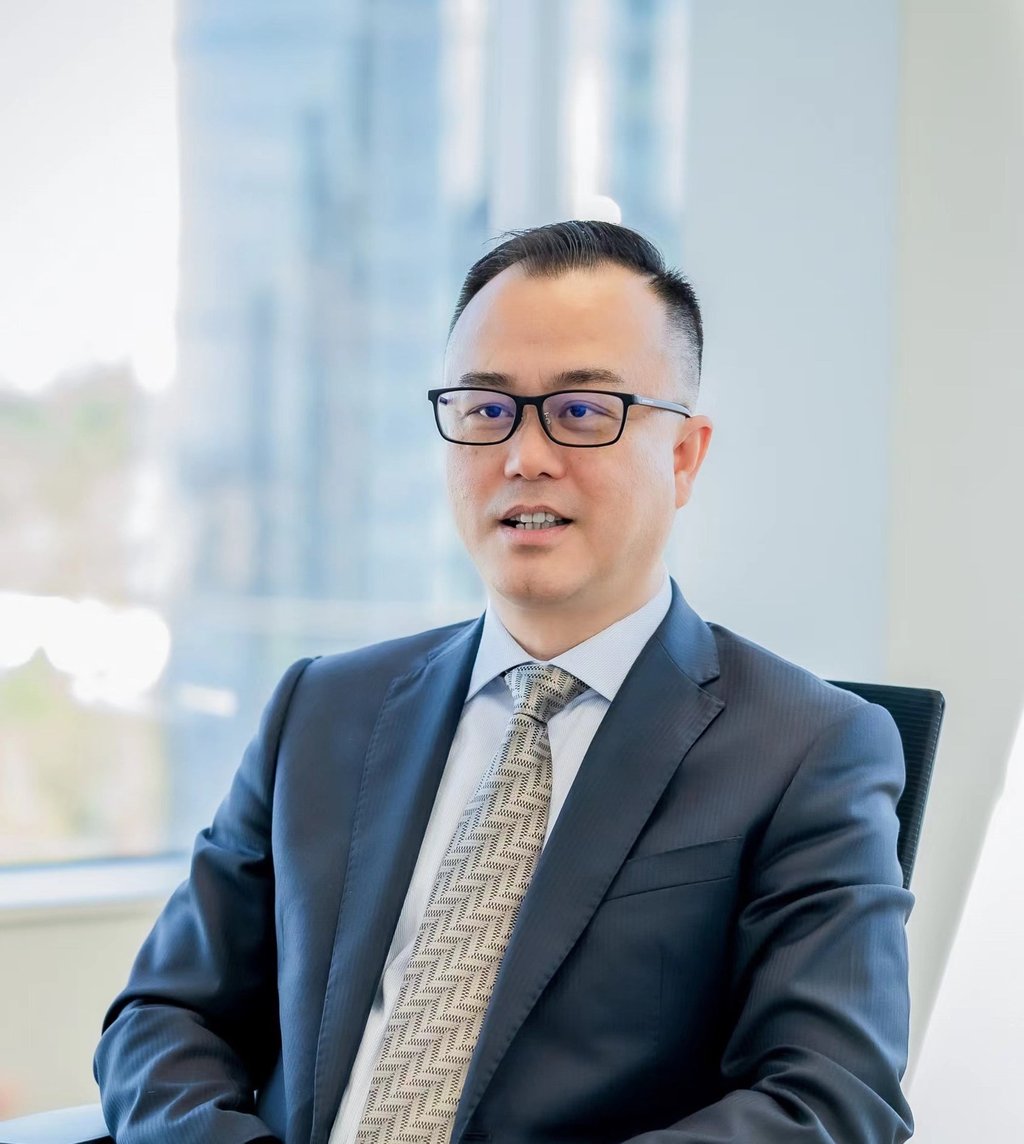
“Fractional policy oversight has emerged, making the global supply chain no longer a [single] piece,” Tianqi’s Ha told the South China Morning Post in mid-April.