Advertisement

Opinion
How coronavirus is poisoning US-China relations, one accusation at a time
- The pandemic has rekindled conspiracy theories, renewed criticism and hostility and increased calls for a hard decoupling – while leaving a leadership void for China to fill and inflicting greater economic damage on the US
4-MIN READ4-MIN

Yanzhong Huang is a senior fellow for global health at the Council on Foreign Relations, and a professor at the School of Diplomacy and International Relations, Seton Hall University.
Historically, pandemics affected international relations in many ways. By causing a massive loss of human life, a pandemic could undermine a country’s fiscal revenue base. The Plague of Justinian in the sixth century, the first recorded pandemic, reduced the population of Byzantine Empire by 40-50 per cent, shattering its dream of re-establishing the old Roman empire.
A pandemic could also weaken a nation’s military power. Intensified exposure to bubonic plague in the 14th century, for example, was a real factor in the decay of the Mongols’ power.
A pandemic might even change the course of war. During World War I, the Spanish influenza was believed to have debilitated the war effort of the Central Powers more than that of the Allies, perceptibly impeding the German offensive of the spring of 1918, which, if successful, would have resulted in victory for the Central Powers.
Advertisement
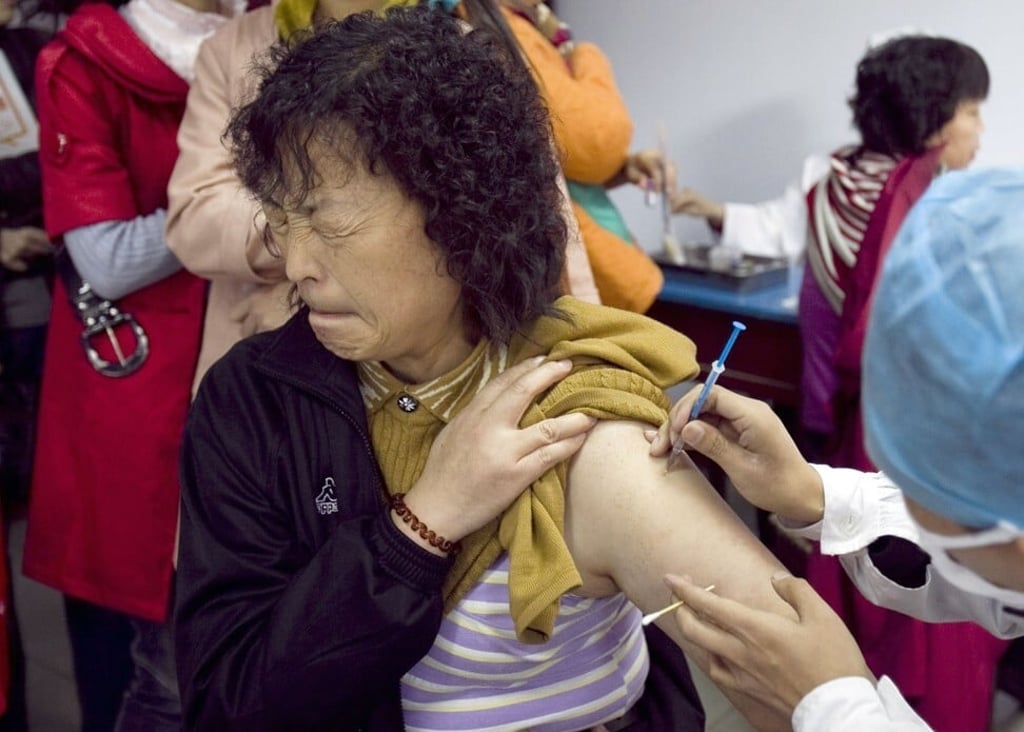
That said, the global spread of an acute infectious disease often creates urgency for international cooperation. During the 2009 H1N1 pandemic, health authorities in both the United States and China exchanged technology and information in monitoring the spread of the flu and accelerating the development of a vaccine. The US provided China with virus samples and diagnostic kits, helping China become the first country to mass produce an H1N1 vaccine. Chinese scientists, in turn, shared their method with the world, facilitating vaccine development efforts by pharmaceutical companies and American health agencies.
Advertisement
In contrast, the Covid-19 pandemic only sets the two countries further apart. With all the buck-passing and finger-pointing, the US-China relationship has reached its lowest point since 1989. The pandemic has accelerated the downward spiral through a confluence of events and developments, all transpiring in the past six months.
Advertisement
Select Voice
Select Speed
1.00x