China braces for tough second half of 2019 as it increases focus on domestic economy in escalating trade war
- Manufacturing activity, industrial profits, car sales, exports and gross domestic product growth have all suffered in part due to the US trade war
- China’s top leadership has rejected massive stimulus, instead opting to continue targeted support and reliance on consumer spending to help stabilise growth
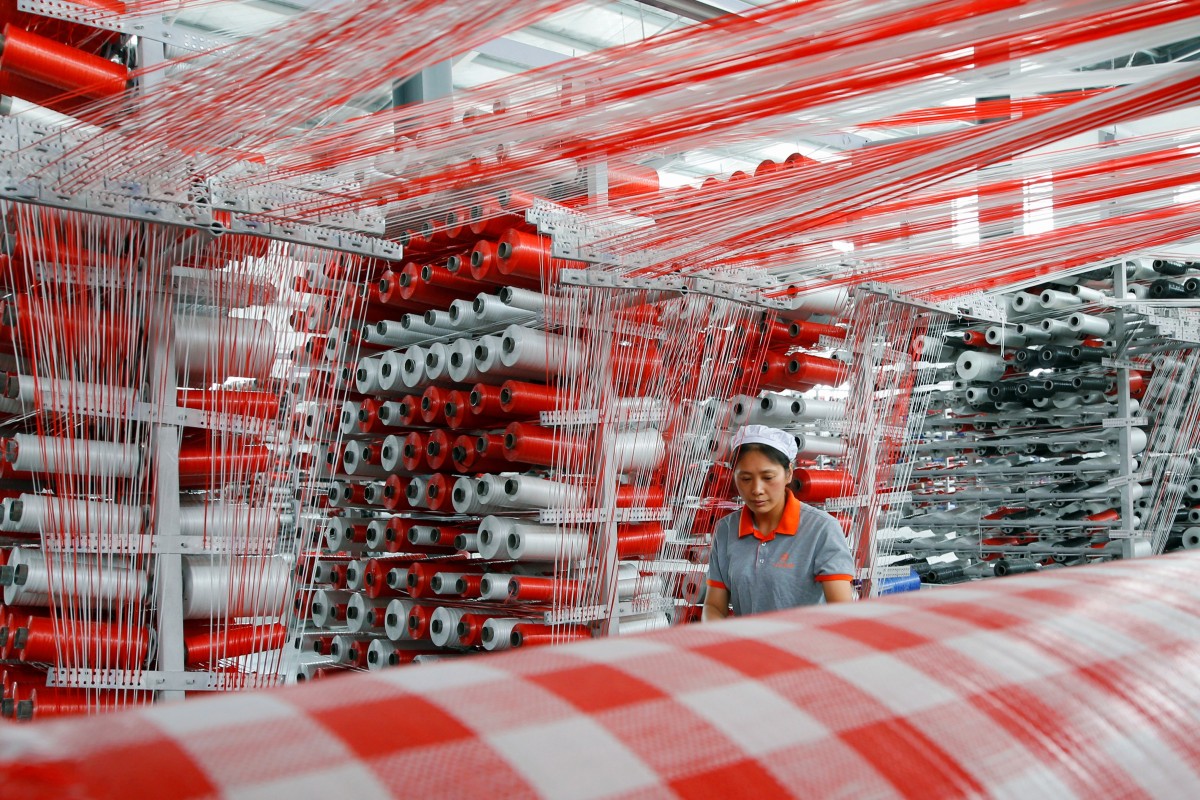
Bracing for more expected economic headwinds in the second half of the year, Chinese officials from across the spectrum have stepped up their focus to play up the potential strength of the domestic economy to counter increasing downward pressure on growth indicated by a series of recent negative indicators.
The Politburo again rejected the use of the large-scale stimulus employed after the global financial crisis a decade ago, instead opting to continue pushing targeted help for specific areas of the economy. It also firmly rejected the idea of easing its restrictions on the housing market to boost activity, instead maintaining its fight to contain price growth.
“On macro policy, signals from the Politburo meeting held this week were largely in line with our expectations,” said economists from JP Morgan, who predicted China will continue its pro-growth policy into the second half of 2019.
This would include targeted fiscal support for selected infrastructure projects, incentives for consumption of cars and home appliances, further implementation of already announced tax cuts, as well as an increase in liquidity so that banks have more to lend to companies, according to the JP Morgan economists.
“And these cannot be cured immediately. The [trade] negotiations take time,” Pang said. “To fill the gap of the damages of the trade and tech war, the Chinese government has pushed forward planned infrastructure projects. This could give support to the economy for a couple of years.”