2025 International Cities of Gastronomy Fest opens in Macau
The International Gastronomy Promenade features food from China, Brazil, Thailand, Turkey, Saudi Arabia and the Philippines

Macau’s deeply rooted relationship with herbs and spices was born primarily of the sea. For over 450 years, its cuisine has been shaped by the vagaries of global maritime trade – a legacy of Portuguese exploration that linked Asia, Africa and Europe through a parallel exploration of flavour.
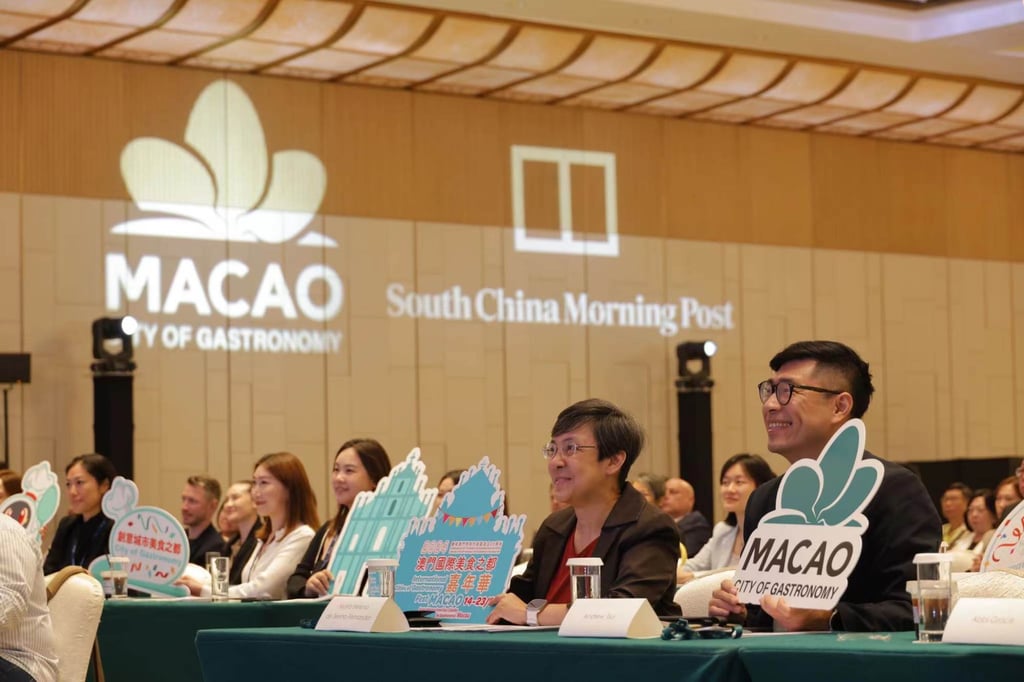
An international showcase
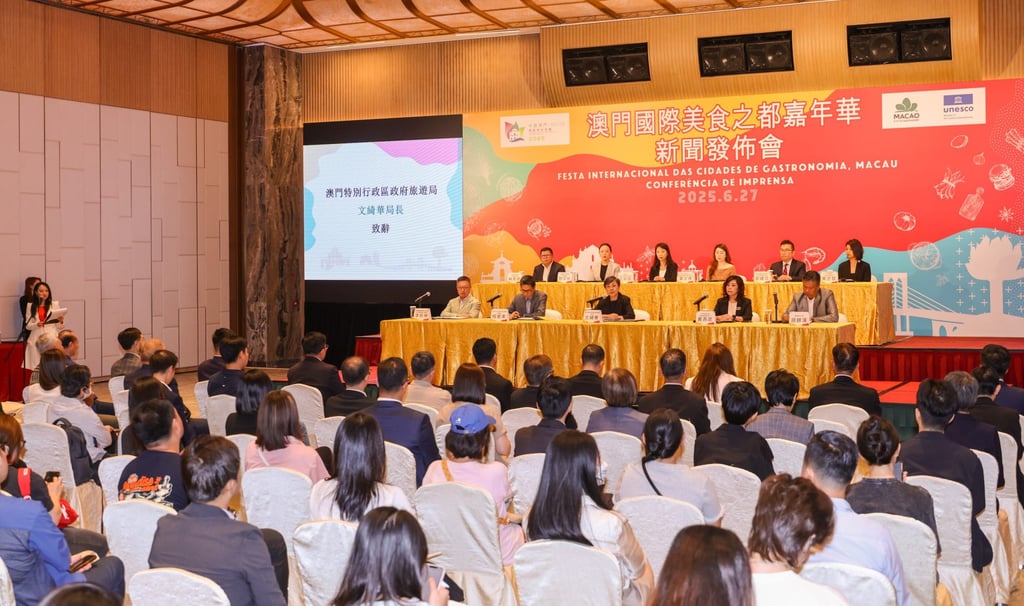
Themed “The Spice of Life: Macao’s Culinary Connections”, this year’s International Gastronomy Forum, Macao, delves into the rich world of spices, fusion cuisines – with a focus on Macau’s – and the cultural dialogue unfolding through gastronomy in the city and across Asia. According to the MGTO, the forum serves as a platform for exploring how spices and culinary creativity link global communities and the preservation of gastronomic cultures.
“Macau is where East meets West, a place where diverse cultures have blended in harmony,” says Senna Fernandes. “This year, we aim to highlight the historical and contemporary relevance of spices and fusion cuisines in shaping international culinary narratives – positioning Macau as a key influencer throughout history, in the present, and moving into the future.”
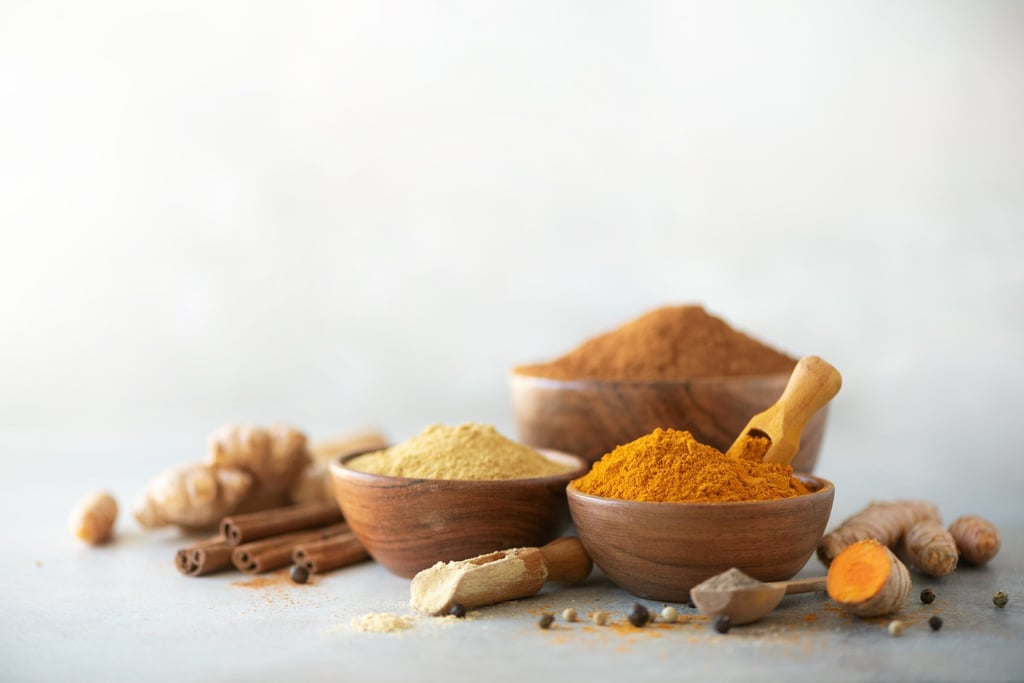
The MGTO has assembled an all-star roster of culinary experts, including delegates from Creative Cities of Gastronomy worldwide, leading F&B professionals from across mainland China, and representatives of Macau’s integrated resorts. They will engage in discussions with renowned chefs, restaurateurs and food critics on topics ranging from the origins and legacy of spices to the evolution of modern fusion cuisine in Macau and beyond. Emphasis will also be placed on how spices continue to connect communities and foster deeper cross-cultural appreciation.
By celebrating the pivotal role of herbs and spices in shaping global culinary heritage, the forum reinforces Macau’s standing as a cultural and gastronomic bridge. Experts will also offer insights on sustainable gastronomic development, cross-sector collaboration and emerging trends in global food culture.
Gourmet feasts for everyone
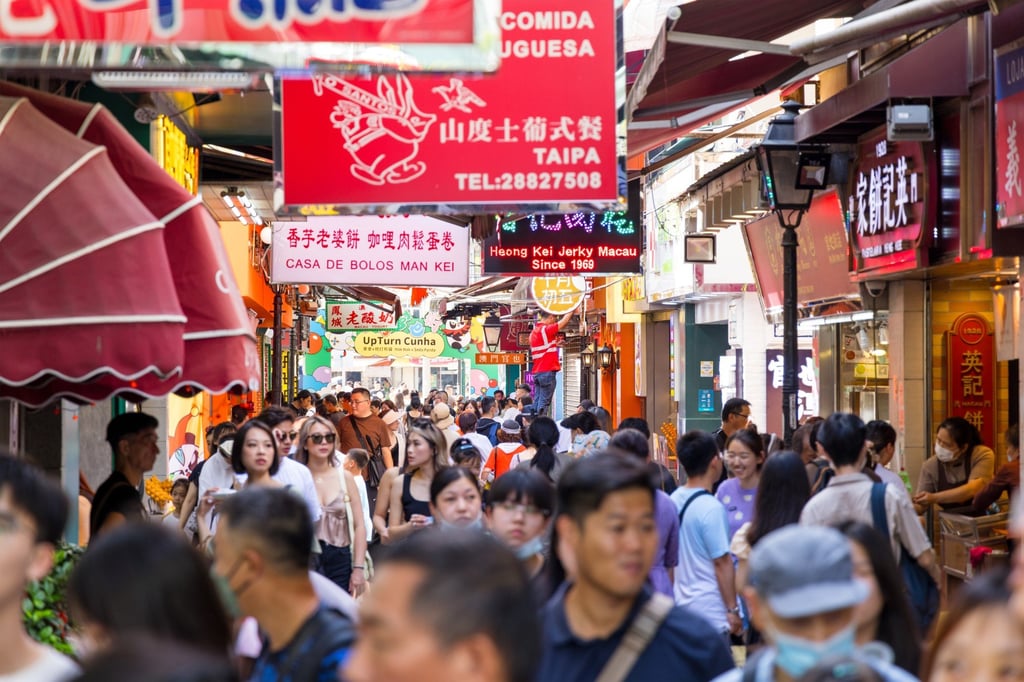
Food lovers are in for a flavour-packed adventure at the International Gastronomy Promenade, where more than 100 stalls will serve culinary delights from across China and the globe. This showcase includes food booths from 14 cities across six countries: Macau, Chengdu, Shunde, Yangzhou, Huai’an and Chaozhou in China; and Brazilian cities Florianópolis, Belém, Paraty and Belo Horizonte, as well as Phuket (Thailand), Hatay (Turkey), Buraydah (Saudi Arabia) and Iloilo (Philippines).
The promenade promises a multisensory experience, with designated dining zones offering more than 1,000 seats, a game zone for added fun, and a seaside bar area. As part of Macau’s tourism gastronomy initiative, daily live performances will enhance the mood, ranging from Portuguese folk and street dance, to bands, magic shows and balloon artistry for the whole family.
“Increased participation from up to 34 Unesco Cities of Gastronomy [CoGs] and seven Chinese Creative Cities in other fields amplifies the festival’s global impact, fostering cross-cultural, cross-border collaboration and knowledge exchange,” notes Senna Fernandes. “By featuring chefs from diverse CoGs, we are showcasing shared culinary elements, like spices and herbs, that unite communities. This strengthens the UCCN’s mission of sustainable gastronomy, highlights Macau’s role in promoting inclusive, interconnected culinary heritage, and at the same time fuels Macau’s endeavours to enrich its offering as a world centre of tourism and leisure.”
Live culinary magic
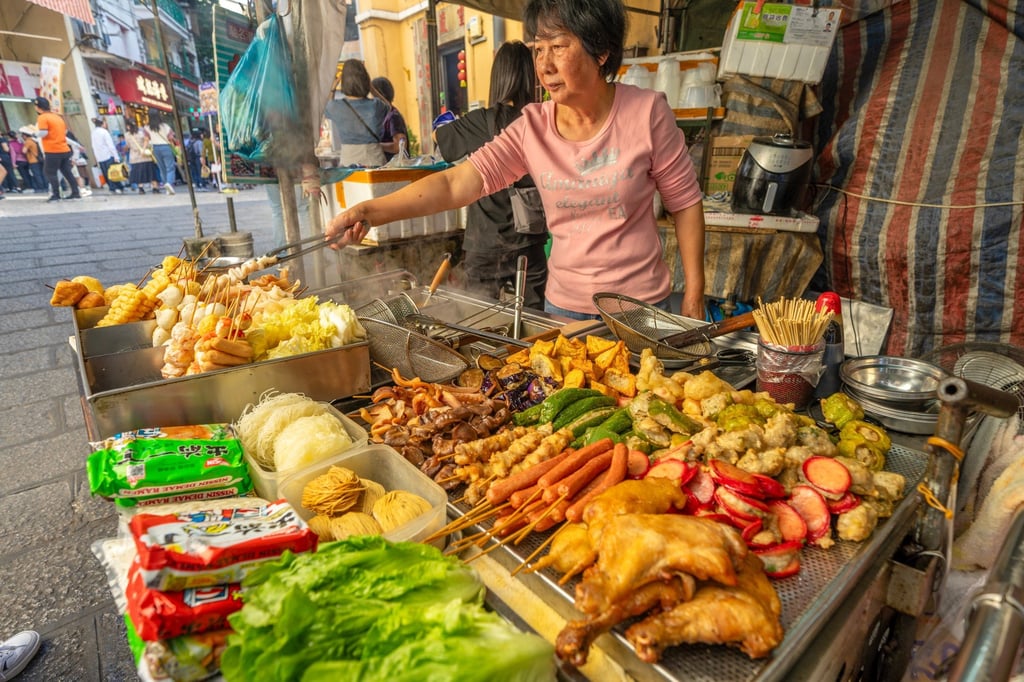
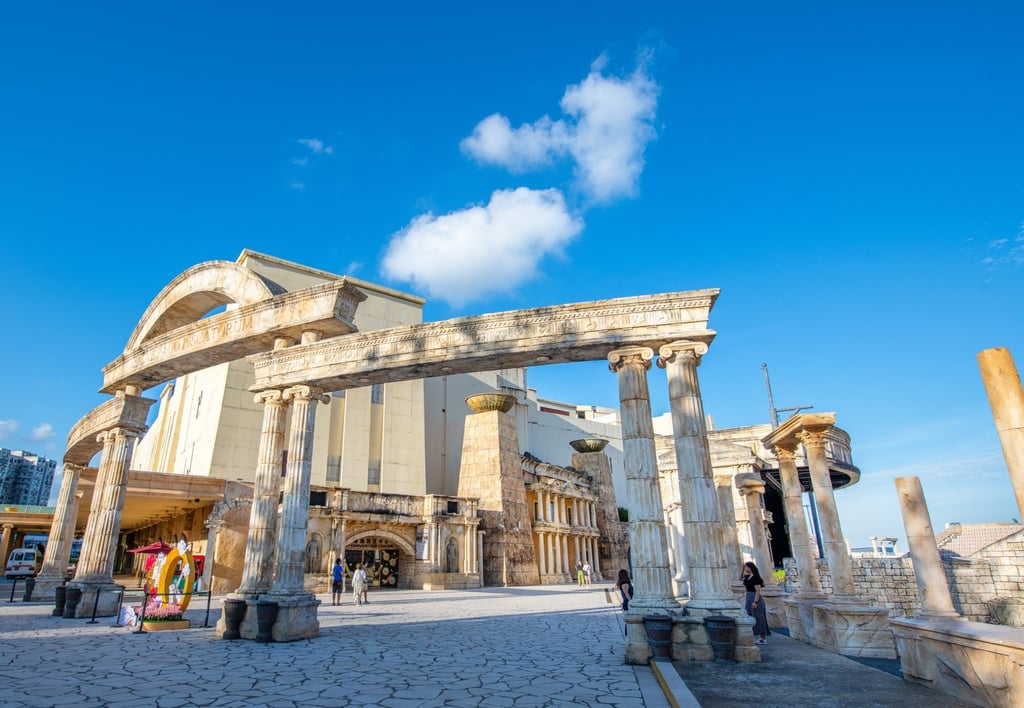
On the main stage at Legend Boulevard, more than 60 live cooking demonstrations will tantalise visitors during the City of Gastronomy Showcase. Acclaimed chefs from around the world will present their artistry, each incorporating spices and herbs commonly used in Macau to echo the festival’s theme.
Festivalgoers are invited to savour the opportunity – watching master chefs in action, sampling regional specialities and immersing themselves in the diverse gastronomic identities that each city brings to the table.
Sustainable, fusion-focused education and evolution
Today, Macau’s culinary scene is undergoing yet another transformation – one that blends its age-old traditions with fresh innovation and sustainability. Chefs are reimagining beloved dishes like African chicken and minchi using techniques from molecular gastronomy, intricate plating, and unexpected textures that honour heritage while pushing creative boundaries.
Sustainability, too, is shaping the future. As a Unesco Creative City of Gastronomy, Macau aligns its food journey with the United Nations’ 2030 Agenda for Sustainable Development. Local restaurants increasingly prioritise home-grown produce – especially those crucial herbs and spices – to reduce carbon emissions and nurture the city’s boutique agricultural sector. Farm-to-table dishes now feature Macau-grown basil, coriander and turmeric to add freshness and fuel local pride.
A new generation of chefs is steeped in this ethos. At the Macao University of Tourism (UTM), culinary students grow their own herbs in rooftop gardens. These fragrant harvests find their way into the UTM Educational Restaurant, offering diners a taste of eco-conscious creativity and culinary education in action.
And beyond the kitchen, culinary education is blossoming. Schools and tasting tours are breaking down the mystique of Macanese spice blends and techniques, giving locals and visitors alike a deeper appreciation for the traditions that shape each dish.
“We hope our guests will enjoy the offers and be inspired by Macau’s diverse gastronomic landscape and its story of cultural harmony,” concludes Senna Fernandes. “Through the promenade’s variety of culinary delights, the showcase’s innovative dishes, and the forum’s discussions on community and sustainability, tourists, delegates and residents will appreciate the rich diversity of global culinary traditions, and how spices and herbs connect Macau’s heritage to the world beyond. We aim for delegates from around the globe to carry forward a message of inclusivity, peace and culinary creativity, encouraging sustainable gastronomy worldwide.”