Macau’s mixologists spice things up with fresh herbs and bold flavours
As Wynn Palace prepares to host the Asia’s 50 Best Bars awards ceremony on July 15, local bartenders are crafting cocktails inspired by Macau’s culinary traditions

In fact, spices have been integral to drinks for as long as cocktails have existed – if not longer. Take punch, for example: a five-ingredient blend borrowed from India in the 17th century, which always included spices in its original form. Long before cocktails became popular in the 19th century in the US and UK, people commonly sweetened ale and other spirits, then enhanced them with spices like mace and nutmeg.
The most common application of herbs is through the vast array of liqueurs and bitters on offer to modern bartenders. Aniseed, hyssop, peppermint, thyme, rhubarb, myrrh and cinchona bark – variously used in absinthe, chartreuses and amaros – are all more practical to keep on hand in their liqueur form.
One establishment taking the lead in this field is Wing Lei Bar. The venue saw a major revamp in March that included bringing on board head mixologist Mark Lloyd. His new menu encapsulates a wide range of flavours.
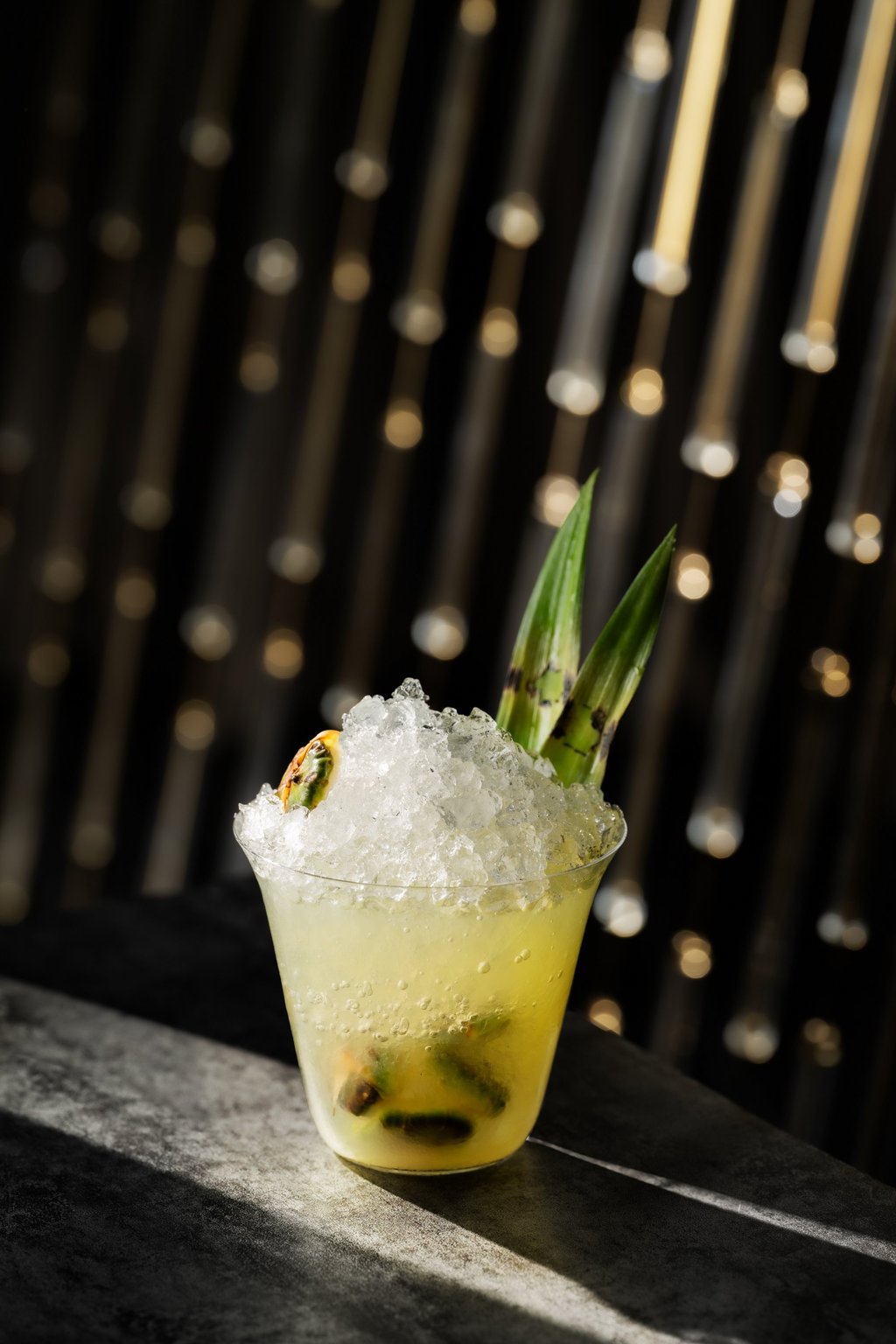
Our beverages are inspired by Macau’s rich history. The cumin in Piña pays tribute to the spice routes that shaped [Macau] dishes like curry crab and African chicken
The drinks are split into four pillars. Classics include staples like the margarita and a breakfast-inspired take on the gimlet; the Alternatini section explores variations on the martini template; there are sours, which heavily use citrus; and a section devoted to stirred drinks.
Spices and herbs play a key role across all the pillars. “An example is in the Cupid, one of our sours,” Lloyd explains. “I chose black pepper to round off the sweetness of the strawberry. A more elaborate example would be in our spirit-forward Cola Cube, where Penja pepper is used to mimic the spice profile in Coca-Cola.”
“Whether it’s fresh or dried depends on the use,” Lloyd continues. “If I’m using herbs in an infusion, then I would go for dry herbs. If we’re putting it in the cocktails, then we use fresh for a better experience. Most fresh herbs can actually be grown here on our grounds, like the coriander I put into our margarita.”
Speakeasy A Perfect Dose (A.P.D.), similarly takes the idea of freshness to another level. The centrepiece of the bar is a wall of botanicals stocked to the brim with fresh herbs, which mixologists bring to bear through techniques like infusion and smoking.
“The botanical wall at A.P.D. isn’t just decorative – it’s a living library of herbs like fresh mint and aromatic wormwood,” says Becky Feng, W Macau’s executive assistant manager of beverage and food. “Caring for it involves daily misting, pruning and seasonal replanting to ensure vibrant growth in Macau’s humid climate,” she says.
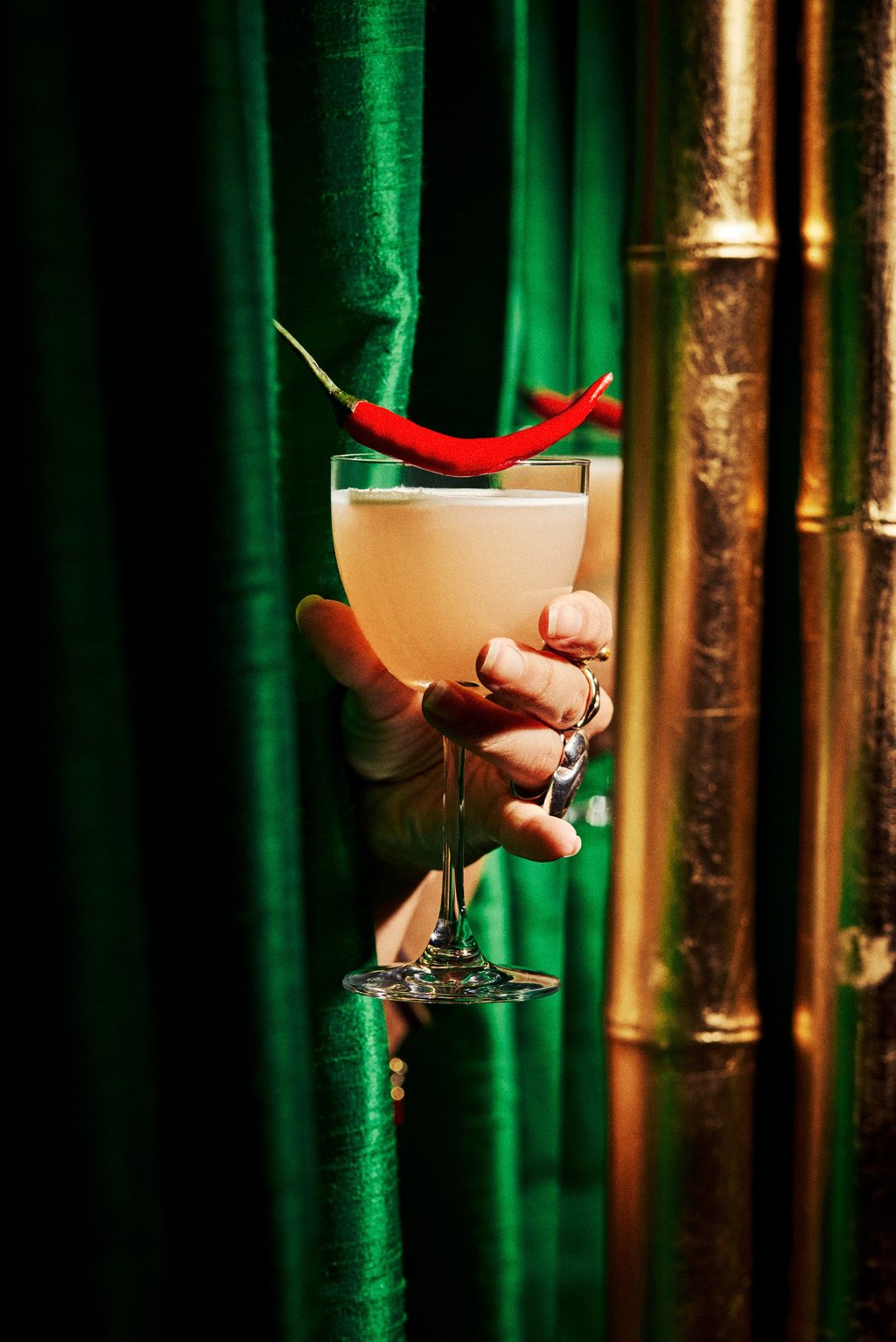
Not only is A.P.D.’s access to fresh herbs a spectacle to behold, the choice of flavours is deeply rooted in this part of the world. “Our beverages are inspired by Macau’s rich history as a cultural and culinary crossroads,” says Feng. “The chilli in the Sandia reflects the bold flavours of local home kitchens, while the cumin in Piña pays tribute to the spice routes that shaped iconic dishes like curry crab and African chicken. Each cocktail reinterprets familiar local ingredients in unexpected ways, blending heritage with innovation, one sip at a time.”
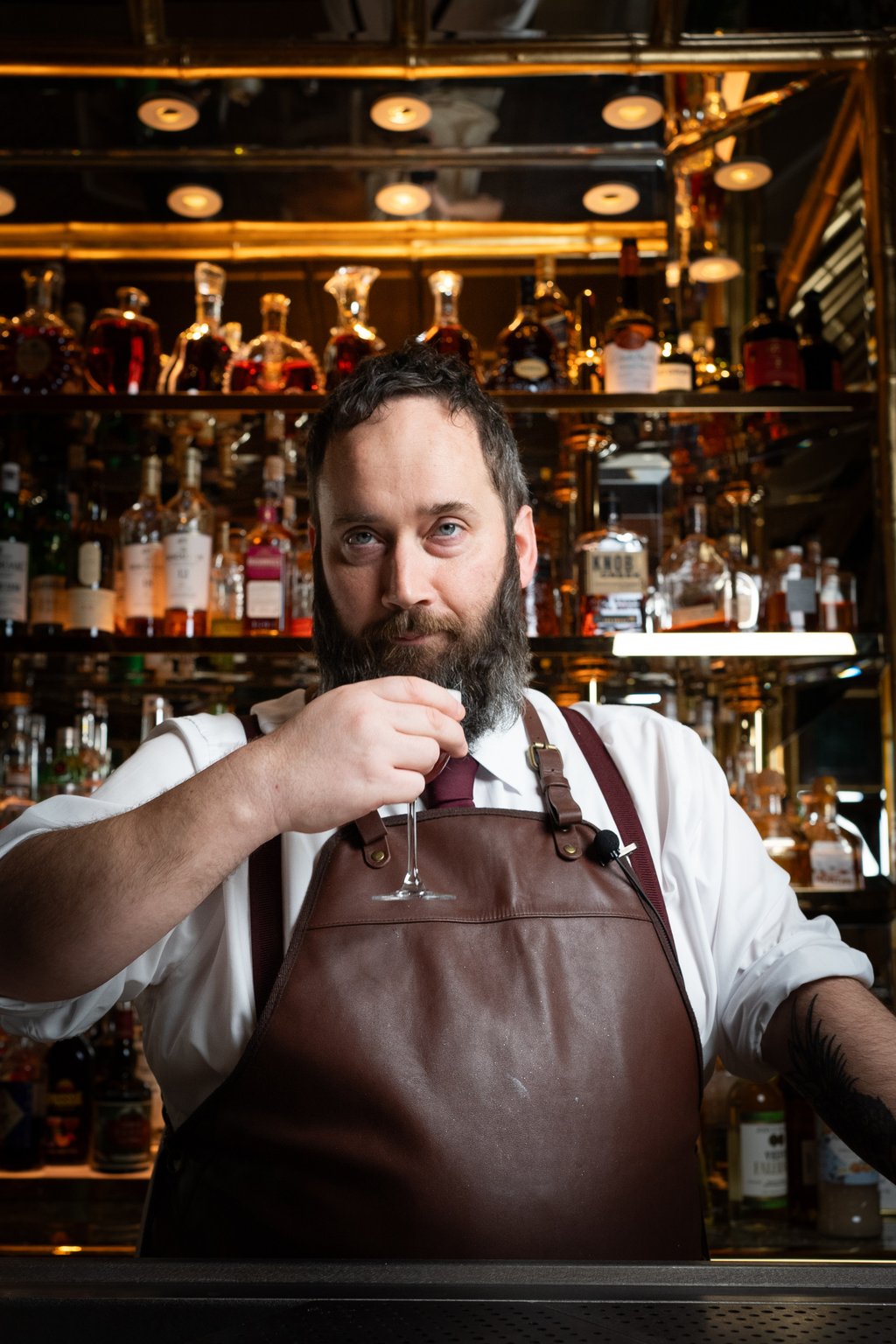
Lloyd feels there is tremendous potential in Macau’s burgeoning bar scene, even in the early days of his tenure in the city. “The Macanese palate for cocktails has really been developing. The appetite for fun yet precise cocktails is ever growing. I would love to use traditional Cantonese herbs in the next menu,” he says. “I’m still learning more about them and am really keen to experiment with more herbs in the future. Using local produce is always a good idea.”
Feng too feels that the bar scene in Macau is at a turning point with the city’s hosting of Asia’s 50 Best Bars, with mixologists focusing on signature flavours in which herbs and spices play a key role. “As a crossroads of global flavours, where East meets West, Macau’s culture thrives on fusion. If more bars in Macau explore these flavours, the city’s cocktail culture will naturally evolve into something distinct that is a reflection of its history, expressed through the lens of modern mixology.”