How Hong Kong’s LGBTQ chefs are feeding something deeper – and challenging rigid norms
In a city where traditional fine dining reigns, these chefs are getting creative, from May Chow to Iris Sham

Lee dreamed of becoming a chef since they were a child. Practising obsessively at home for family and friends, they went to culinary school and slowly climbed the ranks, eventually becoming sous chef at one of Hong Kong’s top kitchens. On paper, it’s everything they dreamed of. But they never imagined that this achievement would come at the cost of being openly queer. In a world still ruled by old-school kitchen machismo, they don’t remain silent for the sake of privacy, but out of fear. (They’ve also asked to use a pseudonym for this article.)
“It’s painful to admit, but I have nothing to gain by coming out,” the chef says. “My colleagues have their guesses, but keeping things unspoken feels safer. At best, nothing would change. At worst, everything would.”
Anthony Bourdain once called the professional kitchen “the last refuge of the misfits”: a place for those sidelined by traditional norms to belong, so long as they can cook. But it turns out that even holding a senior position in one of the 76 Michelin-star restaurants in the city doesn’t protect you from prejudice. As a matter of fact, since 2020, Hong Kong has lagged behind other Asian countries in promoting LGBTQ diversity and inclusion in the workplace, according to a study by The Economist Intelligence Unit.
Queer in the kitchen: what visibility really costs
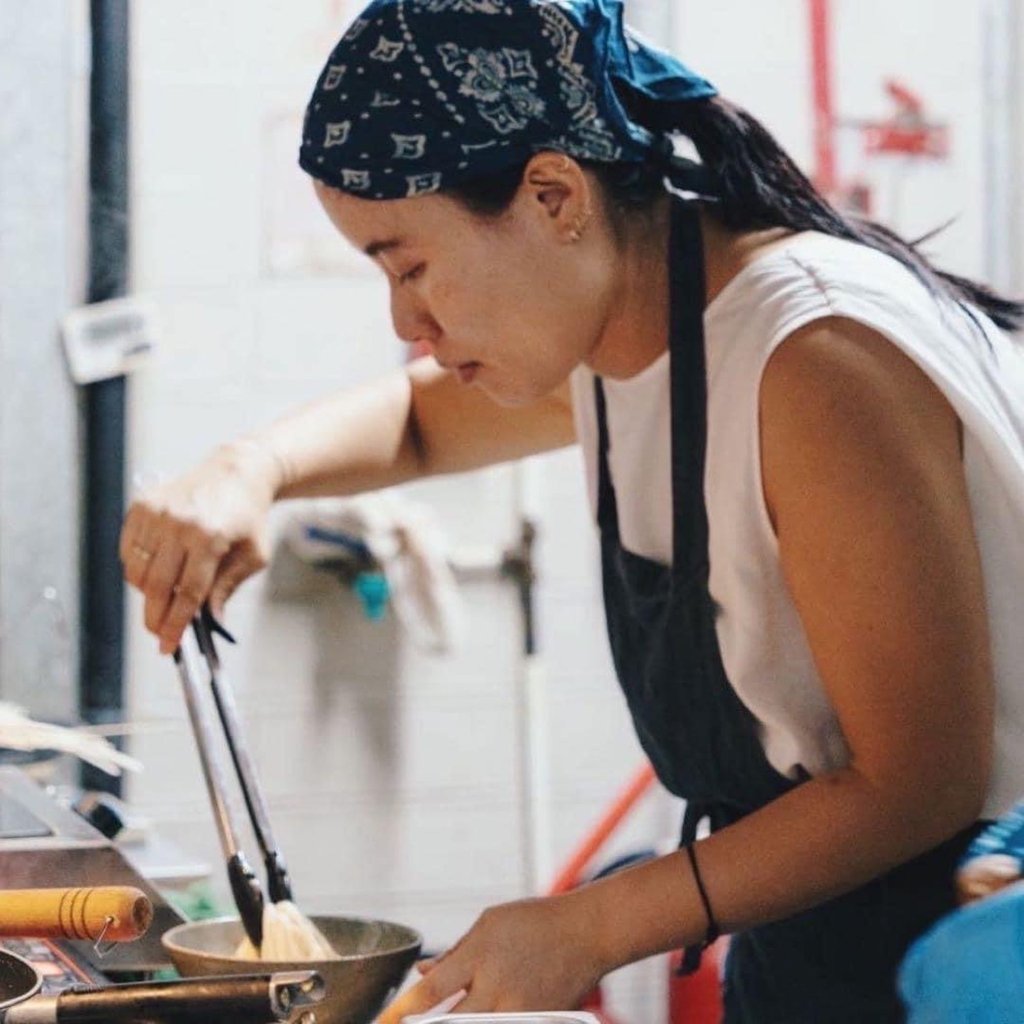
While Hong Kong’s Basic Law and Bill of Rights offer protections against discrimination in government services, there are no such safeguards in the private sector. Without strong labour rights, anti-discrimination laws or marriage equality, being openly LGBTQ in the industry can feel risky – especially in professional kitchens shaped by heteronormative values, says Iris Sham, a travelling cook and queer artist exploring social justice through food and photography.
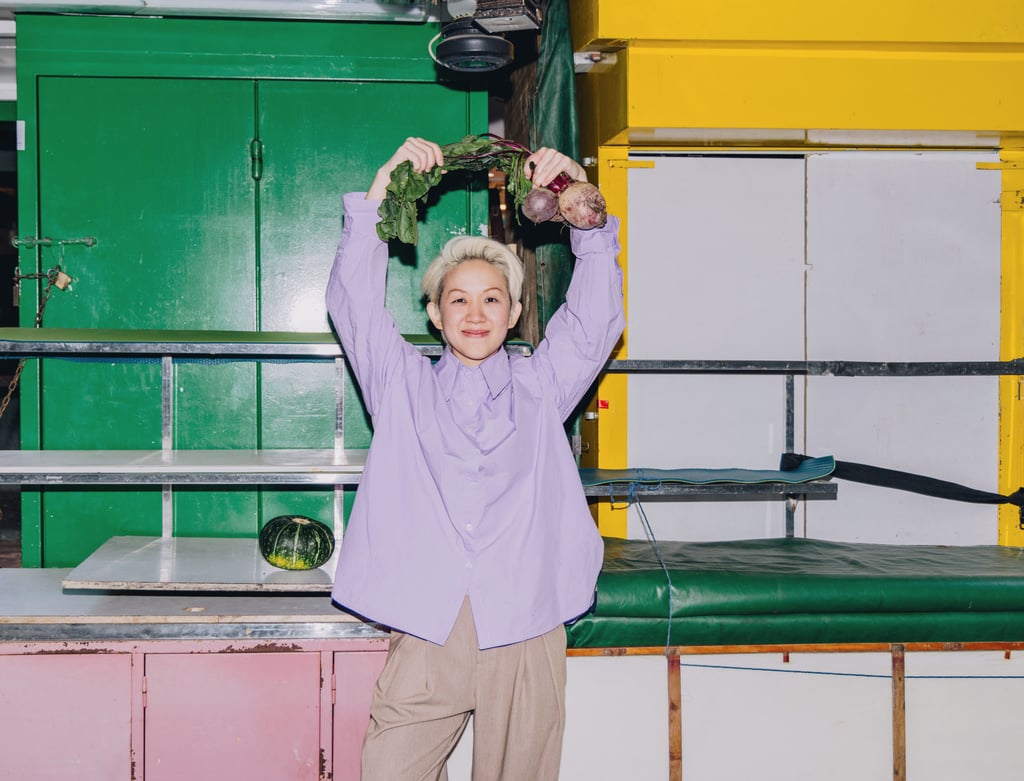
“Being my full and open self … hasn’t come without its consequences,” the Little Bao founder says. “I’ve absolutely been stereotyped or passed over for certain jobs I probably would have gotten otherwise.”