Drink in Focus: Tomatoberry Tree at Gokan
Built on a split base of gin and shochu, this nuanced cocktail was created to mimic the architecture of a tomato tree, from trunk to leaf

Few bartenders boast the global reach that Shingo Gokan has built over the decade-plus history of SG Group, which includes concepts like Speak Low in Shanghai, Sip & Guzzle in New York City and, as of last year, Gokan in Hong Kong. His ability to build winning concepts across different cities and locales speaks to his understanding of local tastes and trends. But what is core to Gokan’s appeal is Shingo Gokan’s modern, flavour-focused approach to mixology.
As an example, the Tomatoberry Tree is a cocktail served exclusively at Hong Kong’s Gokan, but its template is one of the few styles of drinks adapted and served across all SG Group venues (see the Green Tomato Tree from Speak Low or the Tomato Tree from Sip & Guzzle).
“The story begins 15 years ago,” Gokan says, “when I learnt the technique of making clarified tomato water from a Japanese chef. Back then, no one really used tomato water – clear tomato was a sensational ingredient.”
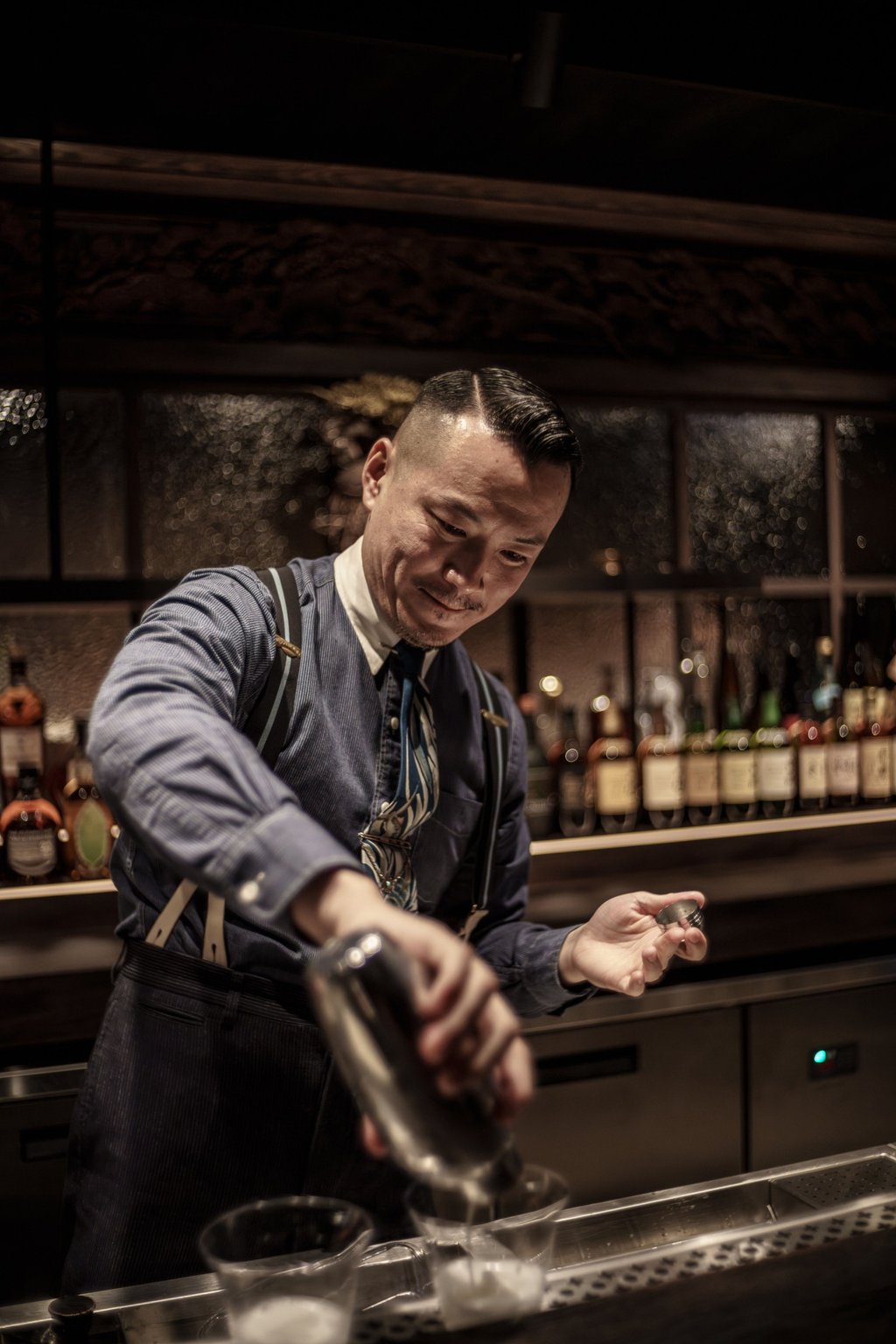
The Tomatoberry Tree is built around a split base of Roku Gin and shochu, both infused with herbs like dill and basil. St Germain, mastiha and Pineau des Charentes fortified wine are added as modifiers, along with citrus, strawberry juice and tomato water, which are clarified in advance. The drink is then shaken and served with dill and a salt rim as garnish. The result is a pronounced umami flavour that’s buoyed by sweet and sour elements alike. The cocktail’s name, according to Gokan, is a portmanteau of “tomato tree” and “strawberry”.
Gokan prefers to think of the drink in terms of the base architecture of a tomato tree. Clarified tomato evokes the fruit, herb infusions and a garnish of dill represent the leaves, while floral accents from St Germain are reminiscent of the tree’s flowers and the various wine components are meant to recall the trunk or sap.
Adapting the template to Hong Kong, he says, was an intuitive process. “We did not set out with the goal of deliberately adapting to the Hong Kong palate. Instead, as we were working with locally available ingredients and sensibilities, we naturally adapted and gave birth to this unique expression that belongs solely to Hong Kong, like using a mix of cherry tomatoes and using Pineau de Charentes to add more complexity to the sweetness.”
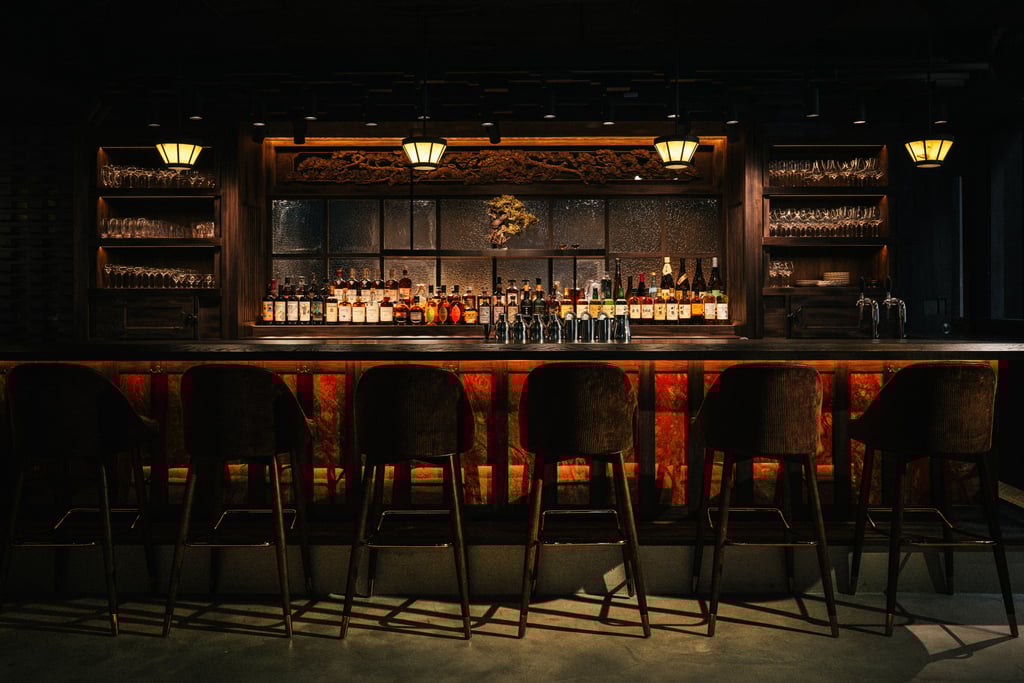
“Hong Kong people are great food lovers with sophisticated, nuanced palates,” Gokan observed. “They are always very open to trying new things, including new combinations, and have a preference for a restrained sweetness.”