Local approaches to Ningbo cuisine at Yong Fu in Hong Kong and Shanghai
The original Yong Fu’s sister branch uniquely adapts Ningbo cuisine, blending tradition with innovation to cater to regional tastes

Their shared foundational philosophy, as explained by Shanghai’s chef Xu Kun-lei, involves honouring Ningbo cuisine’s major flavour profiles through simple seasonings like salt, sugar, soy sauce, wine and perhaps a few condiments such as bean paste. Ningbo was a historic port, with its cuisine featuring an abundance of seafood and relying on traditional techniques like fermentation and braising. However, the application of these principles differs significantly between the two cities Yong Fu is based in – a divergence that begins with how each restaurant defines itself within its local culinary context.
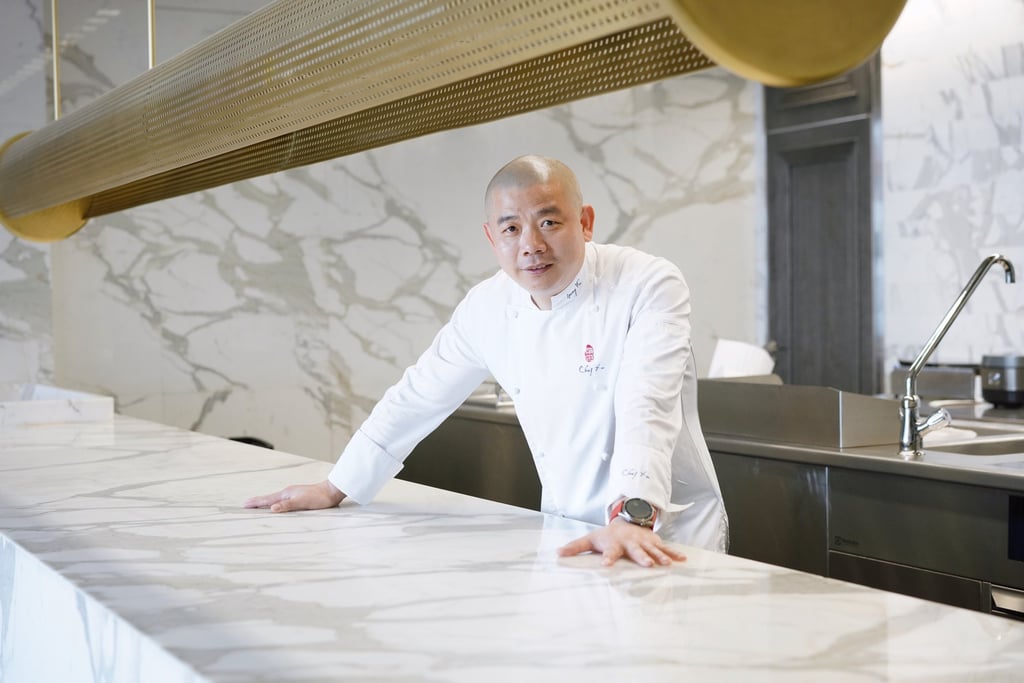
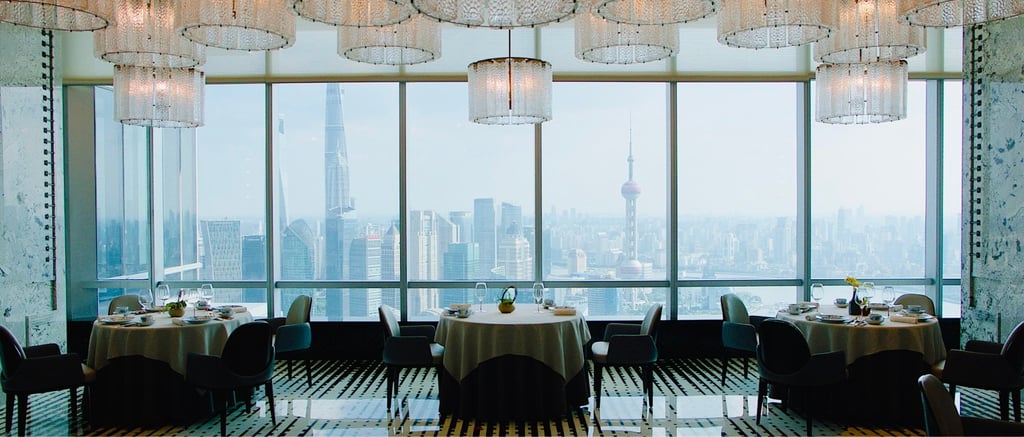
The Shanghai branch of Yong Fu, perched high above The Bund, offers a modern, polished interpretation. Under Xu, the approach is one of meticulous sourcing and refined presentation. The focus is on hero ingredients and allowing their inherent quality to define the dish.
This is exemplified in two signature items. The small octopus is sourced from specific wet sandy beaches. Here, the key technique is not slow cooking – the traditional method to soften an octopus’ muscles – but violence. These small octopuses require a beating. “They must be heavily smacked as part of the preparation to yield a unique, crunchy texture,” Xu explains.
Similarly, the pan-seared scallops with bean paste features large scallops from Zhangzi Island. They are seared to a succulent exterior while keeping the middle rare, served in a lacquered sauce made from Yong Fu’s own doubanjiang. This Ningbo-style fermented bean paste, earthier than its Sichuan counterpart, is designed to accentuate the scallop’s briny umami.