Shanghai art exhibitions tackle revolution, anti-colonialism and climate change head-on
The Rockbund Art Museum’s ‘The Great Camouflage’ and the 15th Shanghai Biennale offer compelling and refreshing perspectives

Two groundbreaking exhibitions in Shanghai are tackling issues such as revolutions, colonial history and climate change head on, with Chinese and international artists offering compelling and refreshing perspectives that resonate far beyond the banks of the Huangpu River.
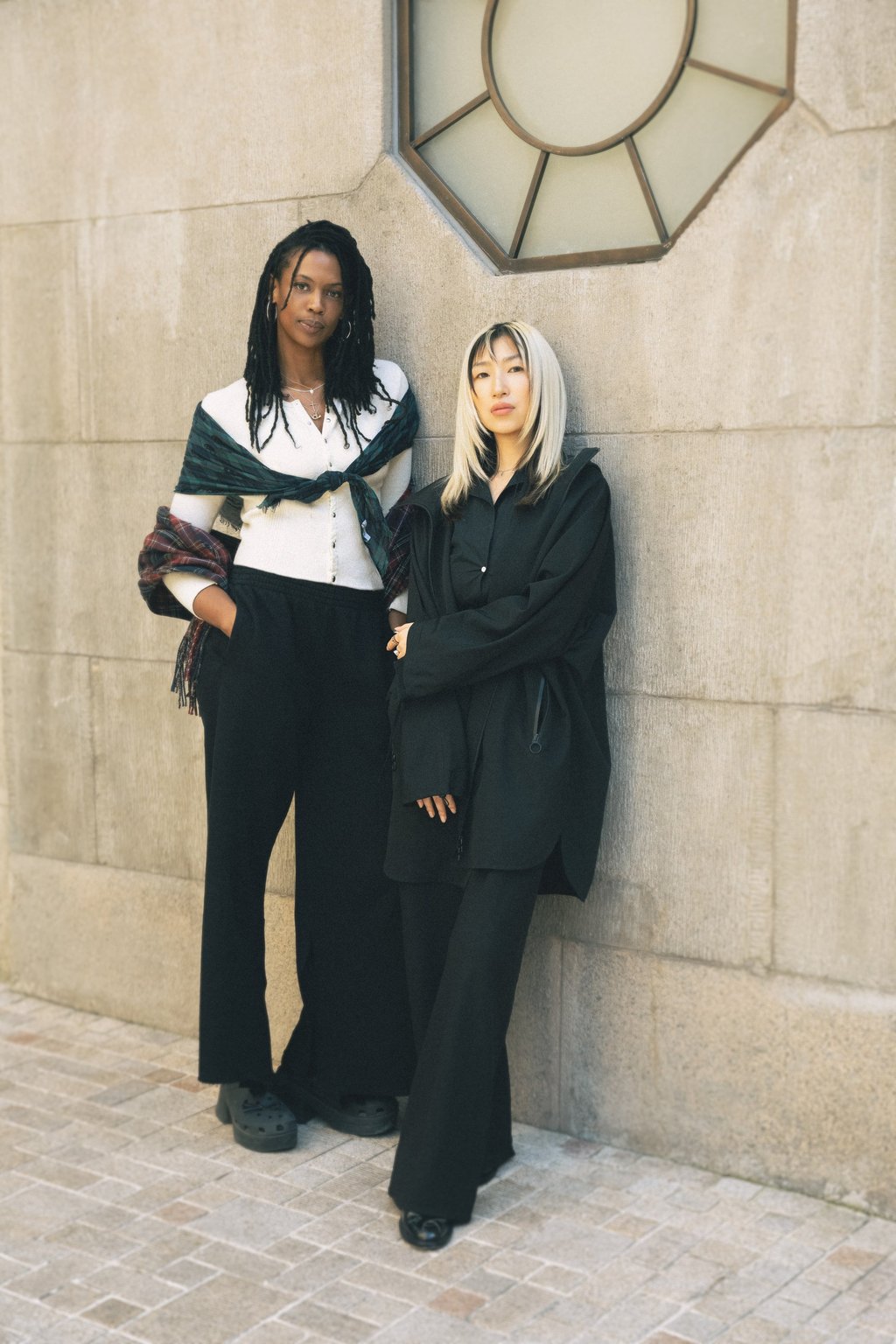
At the Rockbund Art Museum, “The Great Camouflage” is a powerful exploration of anti-colonial thought, co-curated by the museum’s executive director and chief curator, X Zhu-Nowell, and the US-born artist Kandis Williams, who had her first museum survey at the Walker Art Centre in Minneapolis in the US earlier this year.
The exhibition title is taken from a seminal essay by Suzanne Césaire, a poet and anti-colonial activist from the Caribbean island of Martinique. Césaire’s lyrical manifesto contrasts the lush beauty of the Caribbean with the brutality of French colonisation, arguing that the island’s beauty “camouflages the deepest human suffering” of the enslaved people brought from Africa.
Zhu-Nowell notes that Shanghai is “a revolutionary city”, meaning it has seen the birth of many political movements, and is a place where the influence of international revolutionaries would have been profound.
She adds that the exhibition looks at the meaning of revolution, not only as mass uprisings, but also as “the quiet persistence of reflection, grief and meaning-making”, including, as Césaire observed, how humans disguise and learn from pain.
In this politically charged and video-heavy exhibition, a total of 16 artists from Asia, Africa, Europe and the Americas are showing works that have been woven together with a narrative theme of revolution, both as political upheaval and the concept of revolving around an axis.