Korean artist Chung Sang-hwa dies at 93, leaving behind a legacy of monochrome painting
Korean modern art icon Chung Sang-hwa was known for his ‘dansaekhwa’ paintings, which demanded ‘foolishly endless repetition’

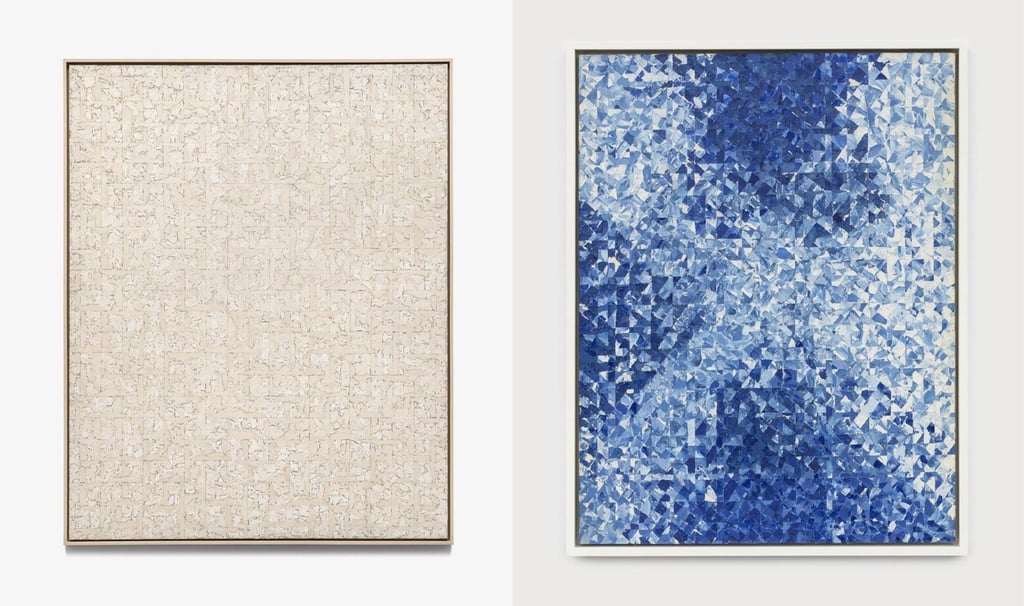
Chung Sang-hwa, a towering figure in Korean modern art whose meticulously built and cracked monochrome surfaces turned a flat canvas into a signature grid, died on January 28 after a prolonged illness. He was 93.
He found his answer not in an image, but in a method: a cycle of “peeling off” and “filling in”, which demanded both physical endurance and what he described as “foolishly endless repetition”.
“Performing the same action over and over again to the point of absurdity, that’s what defines my work,” the painter said during his 2023 solo exhibition at Gallery Hyundai in Seoul, South Korea.
Born in 1932 in Yeongdeok, North Gyeongsang province, Chung entered the College of Fine Arts at Seoul National University in 1953, despite opposition from his family. He initially made a foray into the highly gestural language of Art Informel, an art movement, in the turbulent aftermath of the Korean war, channelling the era’s prevailing sense of loss, anxiety and fear.