
Reflections | Why were Chinese emperors’ names taboo? Like popes, their titles reflected their legacy
How Chinese emperors’ titles, like papal ones, reflected their legacies and why their birth names were considered taboo during their reigns

The 1.3 billion Catholic Christians around the world welcomed Leo XIV as their new leader this month following the death of the widely loved Pope Francis.
In the choice of his name, Leo XIV may be signalling the direction of the Roman Catholic Church under his reign – a church that looks out for the powerless, the poor and downtrodden.
Given the traditional name taboo among the Chinese, where addressing people by their birth names in informal settings was simply not done and even rude, Chinese monarchs were never called by their names in their lifetimes, even out of earshot.
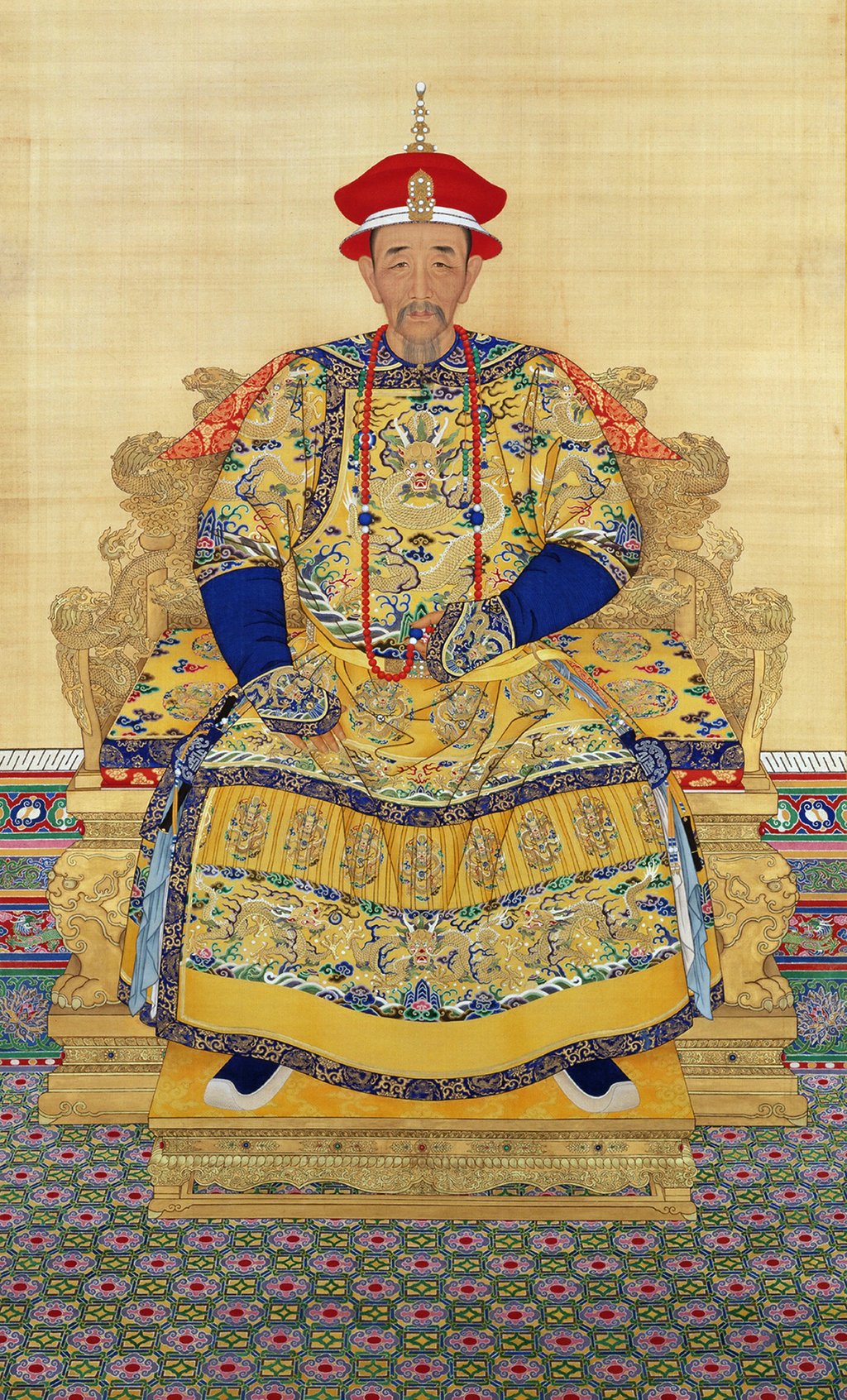
During their reigns, rulers were referred to as “His Majesty” or “Your Majesty” and, in the late imperial period, “the Lord of 10,000 Years” or simply “10,000 Years”, as a felicitous wish that they would be as long-lived. Sometimes, “the current emperor” sufficed.