Why Japan’s largest Chinatown is unlike any other around the world
More tourist attraction for locals than Chinese enclave, Yokohama Chinatown still boasts a fascinating history full of upheaval and survival

Chinatowns are often portrayed as gritty underworlds riddled with prostitution, gambling and drug trafficking. Some of this is rooted in truth, but that unfair depiction is largely the result of rampant xenophobia and cultural ignorance, especially in the West.
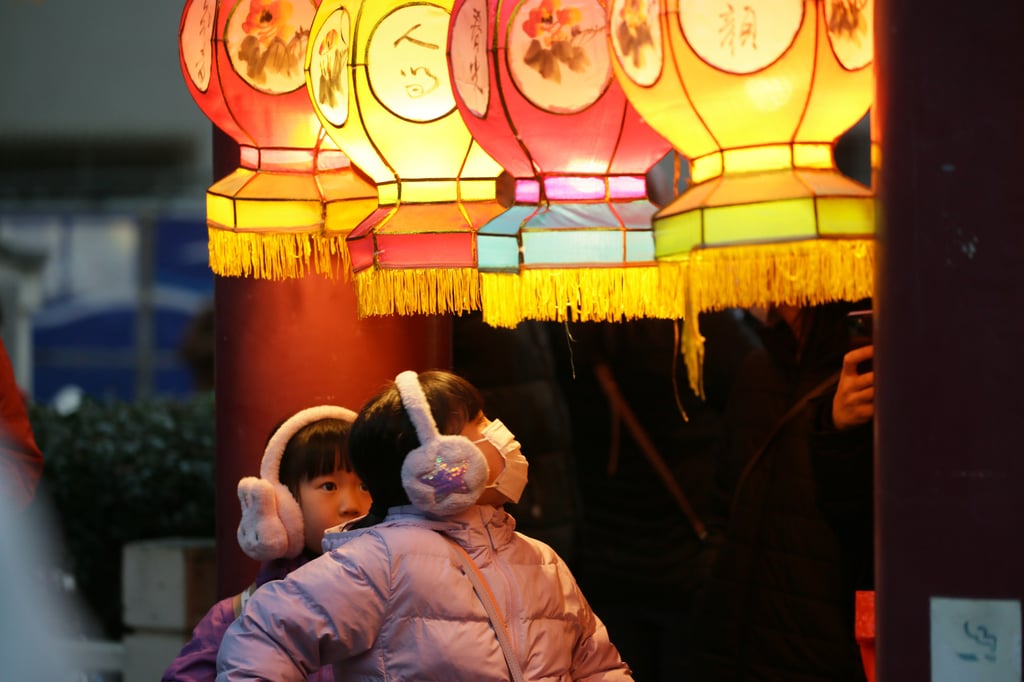
At first glance, Yokohama Chinatown has all the hallmarks of Chinese influence: lanterns swinging overhead, nikuman – the Japanese version of baozi or steamed pork buns – sold from big bamboo steamers, and shops selling Chinese trinket souvenirs.
Still, beneath its tourist-friendly bustle, there lies a 166-year history of upheaval and survival.
In July 1853, when US Navy Commodore Matthew Perry and his four ships reached Uraga – the entrance to what is now Tokyo Bay – it marked the beginning of trade and discourse between the island nation and the Western world, ending more than two centuries of Japanese isolationist foreign policy. As a result of a treaty between the US and Japan, Yokohama was officially opened as a foreign trade port in 1859.