Where do mooncakes come from? Origin myths and folktales, from fantastical to historical
There are many versions of the mooncake’s origin, from one that honours a woman’s sacrifice to another that sees the end of a ruling dynasty

Every year during the Mid-Autumn Festival, many Hongkongers bite into golden-yolked mooncakes without ever thinking about the fact that they are tasting Chinese history, one where myth, revolution and culinary tradition are baked into every piece.
The humble mooncake has origins far older than Hong Kong itself, with tales that span everything from the beginnings of an empire to the fantastical birth of a moon goddess.
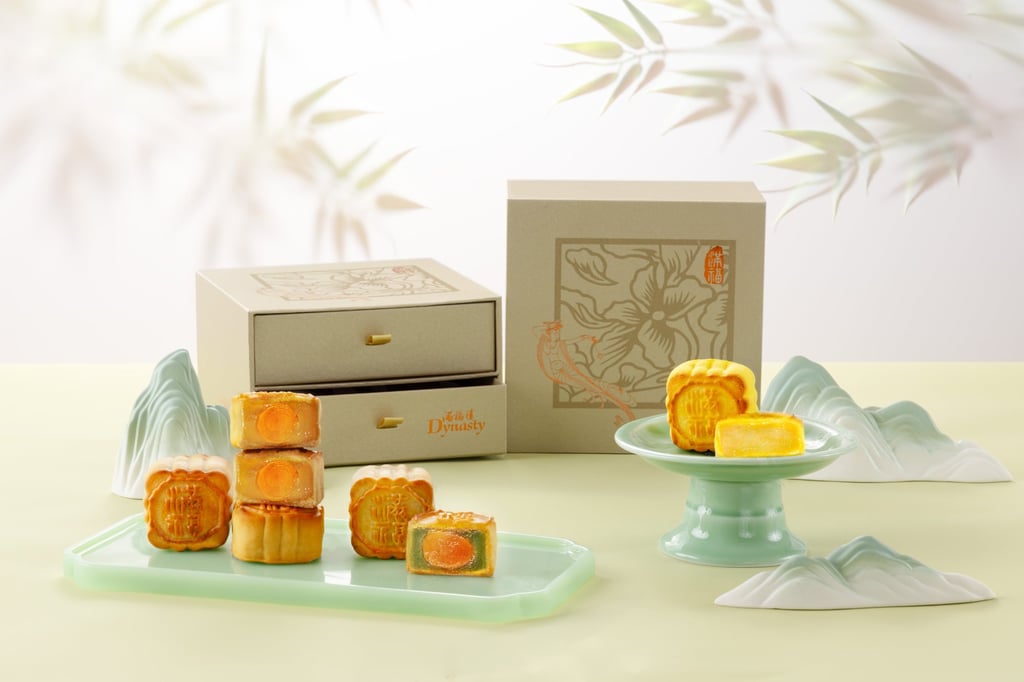
The essence of the mooncake is found in its filling: sweet, velvety lotus seed paste enveloped by thin pastry skin. Its defining luxury is the salted duck egg yolk, with a rich, savoury intensity that offsets the paste’s sweetness and is said to resemble a full moon in the night sky.
While modern mooncake iterations feature everything from molten custard and red bean to champagne truffle, the combination of lotus seed paste and salted egg yolk remains a popular one.
One of the most enduring origin narratives begins not on Earth, but in the sky.