How China’s Han dynasty forged a unified cultural and national identity
Knowledge spread and the arts flourished during this golden age of Chinese history, as the country opened up to international trade

To understand Chinese culture, it is necessary to go back to the very beginning of its civilisation. In this series, we look at the most influential dynasties in Chinese history and how each, with its technological inventions and cultural advancements, helped propel the nation forward.
Scholars divide the Han dynasty into two sections, split by the short-lived Xin dynasty (AD9-AD23), a brief interregnum when Wang Mang usurped the throne.
The period before the Xin is called the Western Han or Qian Han (206BC-AD9), and the period after is named the Eastern Han or Hou Han (AD25-AD220). All in all, the Han dynasty lasted for more than 400 years.
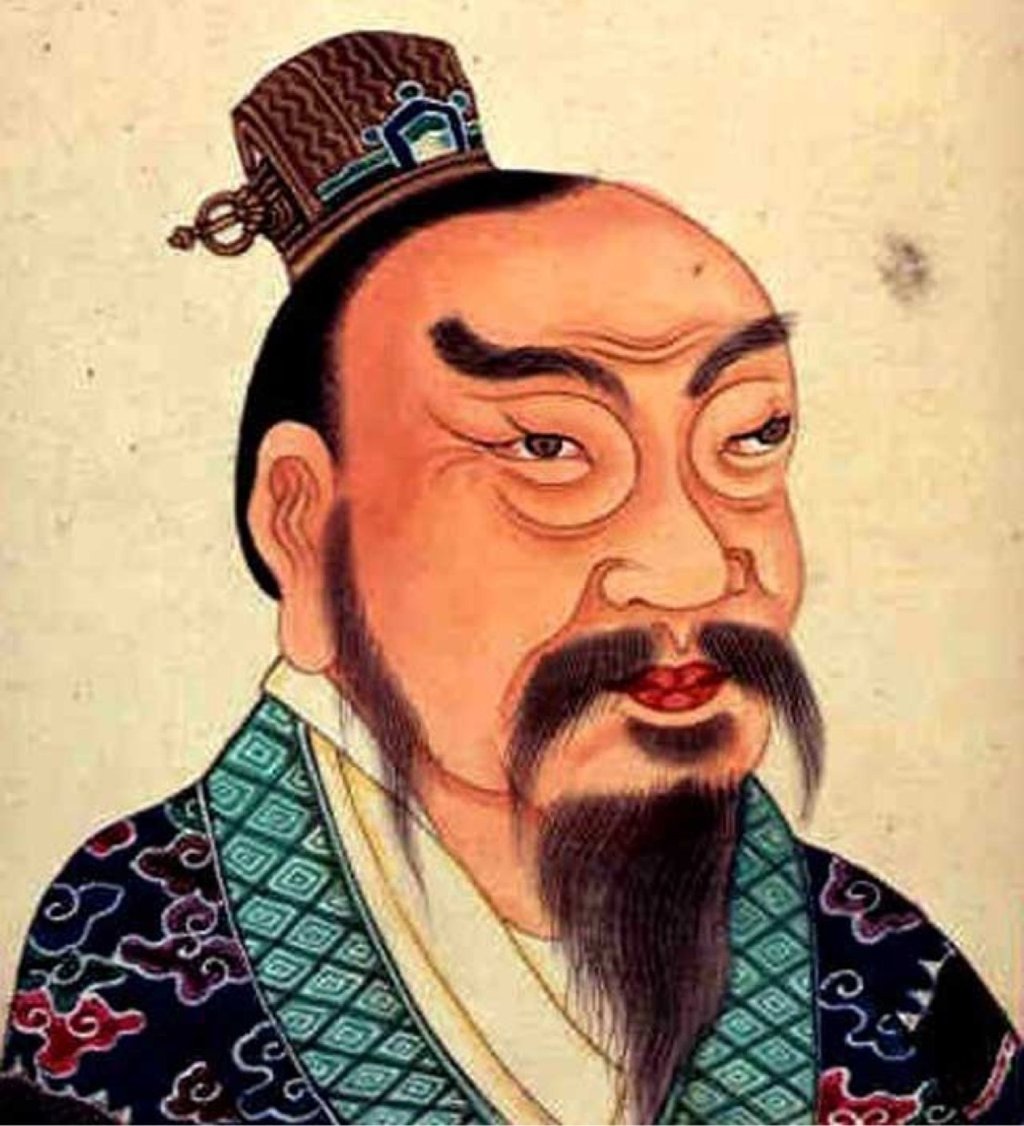
After defeating warlord and rival Xiang Yu, Liu Bang – the founder and first emperor of Han, later known as Emperor Gaozu – was given the territory of Hanzhong by the Han River, after which the dynasty was named.