How China changed during the Yuan dynasty, when Mongol emperors ruled the country
Mongol rulers shook up Chinese society as Silk Road trade routes thrived, paper money became common and China’s influence in Eurasia grew

The year was 1279. On the waters off Yashan, in a final cataclysmic naval battle, the fleets of Kublai Khan – grandson of the Mongol general Genghis Khan – overwhelmed the last remnants of the Song dynasty.
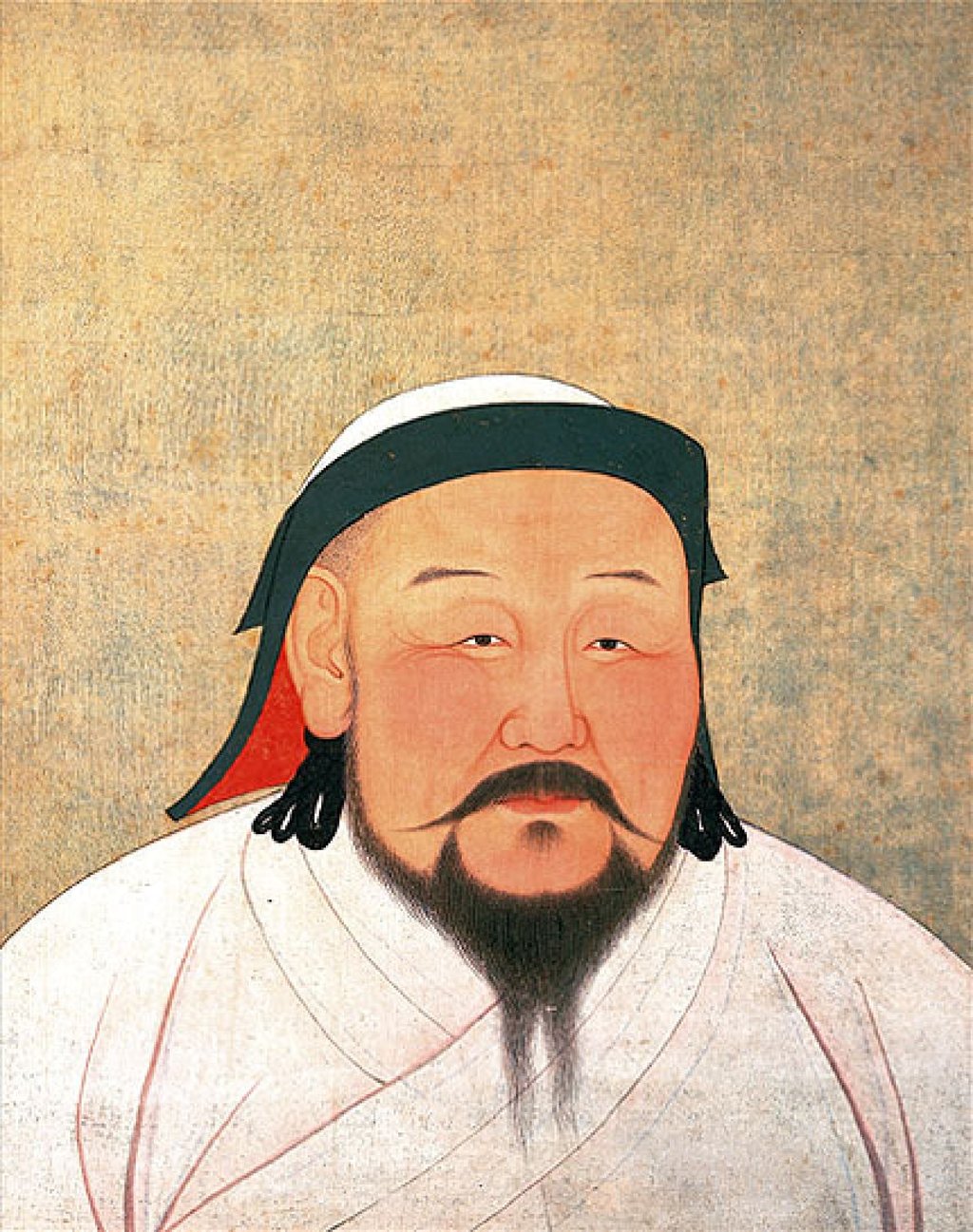
For Kublai, the victory was more than just a military conquest, as he did not see himself as merely a barbarian conqueror looting an ancient civilisation. He envisioned himself as the legitimate heir to the Dragon Throne, the one who would unite the fractured “Middle Kingdom” under a new order.
And thus began the Yuan dynasty (1271-1368). Its name, meaning “origin” or “prime”, signified the dawn of a new era. The period was one of many firsts. For the first time in history, the whole of China was ruled not by a native Han descendant, but by a Mongol khan.
This was more than a mere regime change; it was a recalibration of the Chinese world. The Silk Road would thrive with unprecedented traffic, stretching the incredible distance from Beijing to Venice.