
How China embraced physical fitness through history, from polo to today’s National Games
Used to train soldiers long before its benefits were taught to regular folk, exercise has become a matter of national resilience in China

The 15th National Games of China, jointly hosted by Guangdong, Hong Kong and Macau, just ended. I must confess that my only engagement with the quadrennial event was to impatiently scroll down whenever headlines or images of the games appeared on my screen.
I have done the same for the Olympic Games, the Fifa World Cup, Wimbledon and everything in between, because I have no interest in sporting events – or sports in general. The skills specific to certain games, the complicated rules and the jargon bore me. Who or what, for instance, is a “wicket maiden”?
I went to a secondary school that offered sports of every kind, and students had to join at least one as an extracurricular activity. The threats and bullying from teachers and seniors for non-participation bordered on the fascistic. That rubbed me the wrong way, even at 13 years old.
I made sure I played so badly that I was asked to leave the sports I had been forced to join. It is so ironic that my sports-mad school gifted me with a lifelong aversion to sports and games.
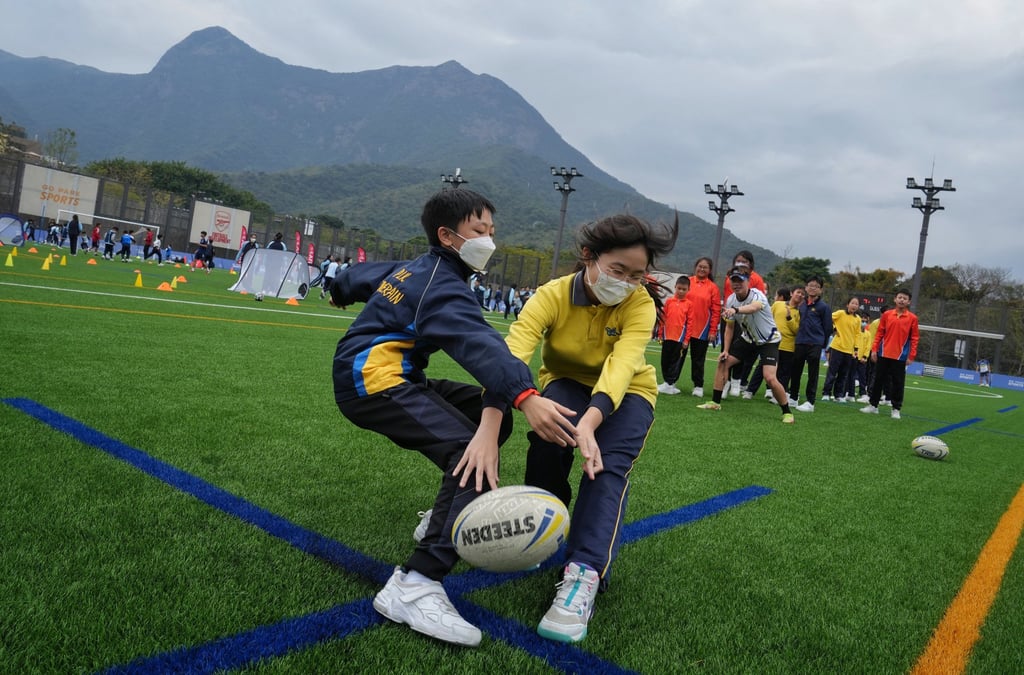
The idea of strengthening the body through movement took shape in China’s early history. The Spring and Autumn Annals of Master Lü, completed around 240BC, famously observed: “Flowing water does not grow foul; the hinge of a door does not decay – for they are in motion.”