
What an ancient Chinese hero’s fatal love of raw fish warns us about uncooked food
The recent sale of the most expensive tuna in Tokyo reflects sushi’s popularity, but an episode in Chinese history shows raw food’s dangers

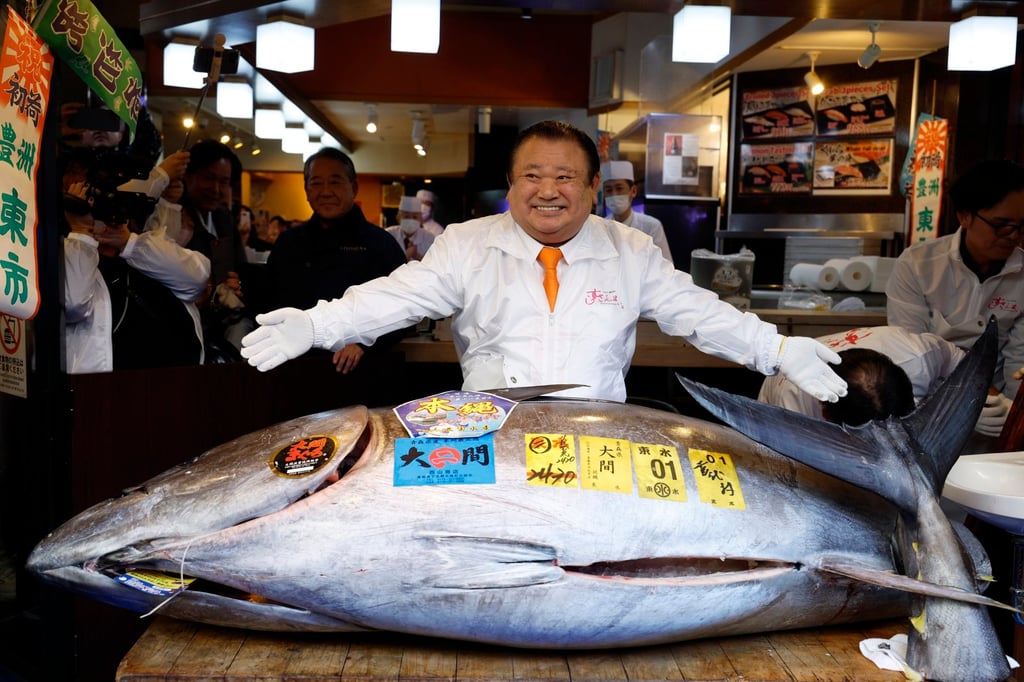
Tokyo’s famed New Year fish auction has smashed its own headline record, with a giant bluefin tuna fetching an eye-watering price. At the Toyosu fish market’s first auction of 2026, a 243kg (535lb) bluefin tuna was snapped up for 510 million yen (US$3.2 million), making it the most expensive tuna ever sold at this annual ritual.
The winning bid came from Kiyomura, the company behind the popular Sushi Zanmai chain. The purchase eclipsed the company’s own record-setting bid from 2019.
Beyond bragging rights for Kiyomura, this year’s splurge reflects a cautiously optimistic trend: bluefin stocks are slowly recovering, thanks to conservation measures after years of overfishing. That has made these record-breaking sales feel a little less controversial than they once did.
Raw seafood is – or used to be – one of my favourite foods. I have long fancied myself something of a connoisseur of Japanese sashimi and sushi, preferring the lighter, subtler flavours of lean tuna, sea bream and squid to the bolder, oilier notes of mackerel and salmon, the latter being my least favourite fish when eaten raw.