
As Kim Jong-un grooms daughter to rule, a Chinese princess whose ambition backfired
Princess Anle’s radical petition to inherit the throne set in motion a chain of events that would see her decapitated in her own boudoir

South Korea’s intelligence agency has signalled what could be a historic turn in North Korea’s dynastic politics.
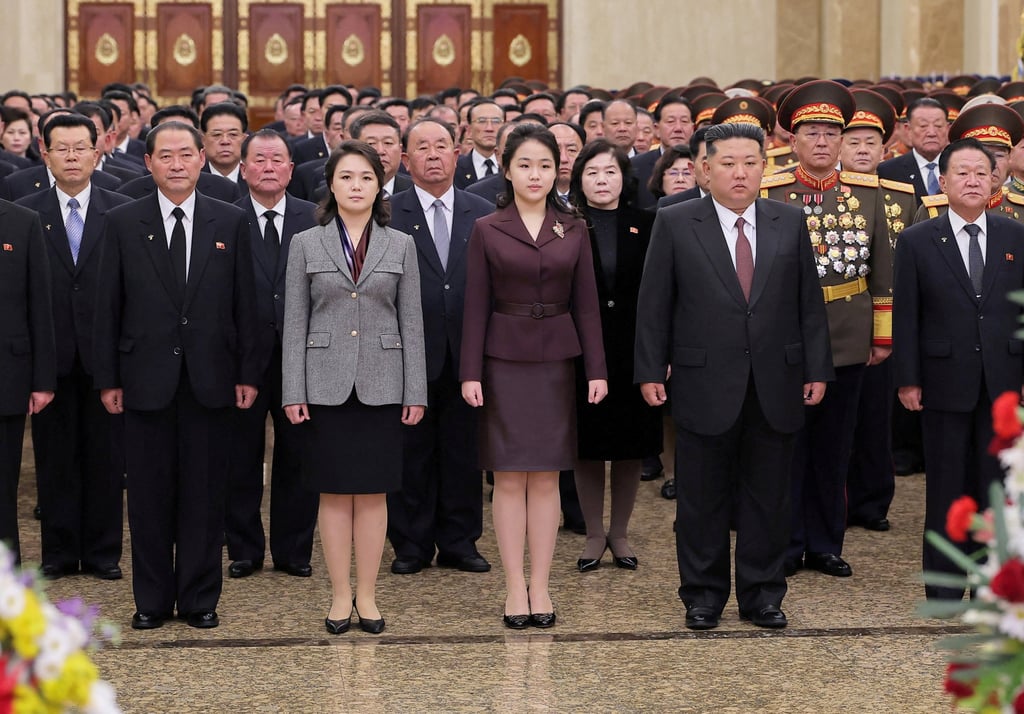
Lawmakers were recently told that supreme leader Kim Jong-un’s teenage daughter, whose name is widely believed to be Kim Ju-ae, is being positioned as his likely successor. If confirmed, the move would extend the Kim family’s rule into a fourth generation and, more strikingly, elevate a girl within a rigidly patriarchal society and political system.
Her public profile has risen steadily. She first drew attention at a long-range missile test in 2022 and has since appeared beside her father at military parades, weapons inspections and diplomatic engagements, including a high-profile visit to Beijing in 2025.
This year, her presence with her parents at the Kumsusan Palace of the Sun – the mausoleum of her grandfather and great-grandfather, North Korea’s founding leaders – intensified speculation that she is being groomed for succession. Pyongyang has never formally named an heir, but symbolism in the secretive regime is rarely accidental.
Were she to inherit power, she would not be the first woman to stand at the apex of an East Asian state, but history offers few precedents.