Chef turns Russian embargo on food imports to advantage at Birch, his St Petersburg restaurant
- He learned to make good food out of very little as a teenage army cook in Central Asia, and put that skill to good use when Russia halted food imports from EU
- Hezret-Arslan Berdiev’s curiosity and extraordinary taste memory allows him to create complex, unique dishes. No wonder Birch is booked out weeks in advance
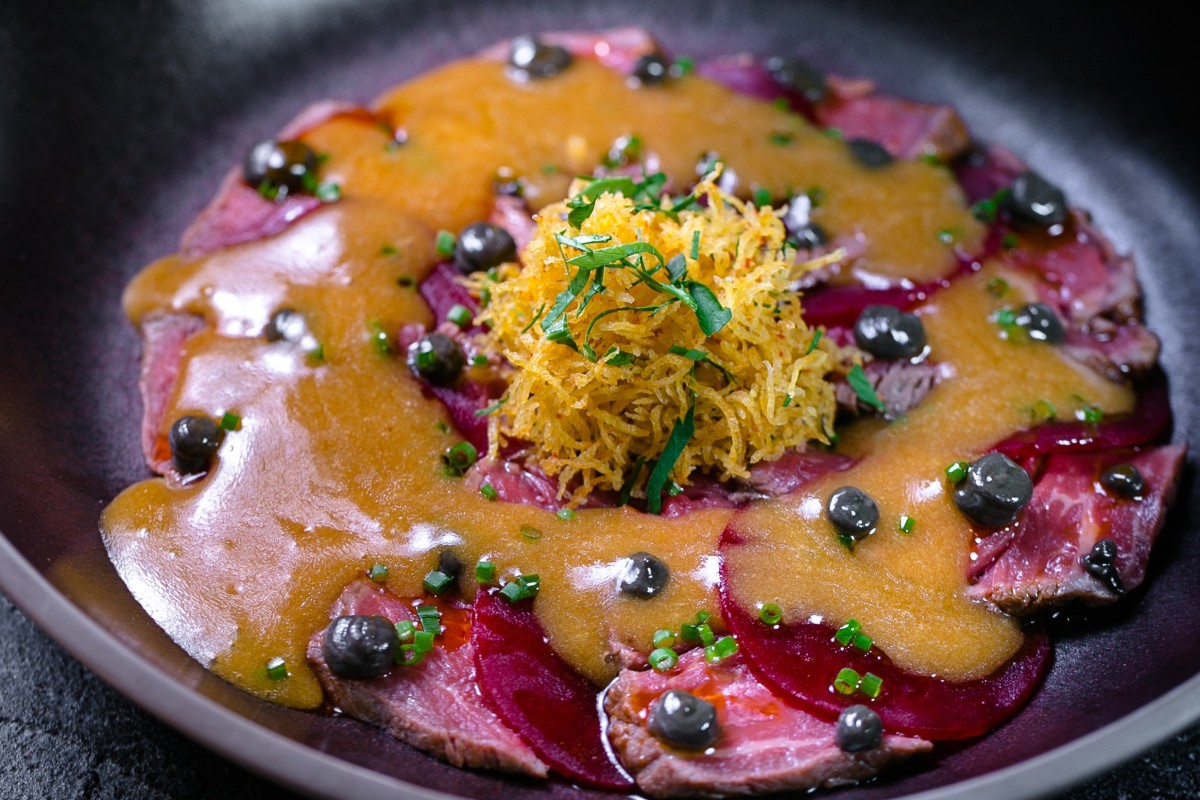
“I learned to cook at the age of 17 while on national service in the Turkmen army,” says Hezret-Arslan Berdiev. “On my second day I was told to go to the kitchen. You need to be effective at your work in an army kitchen or you will get beaten.
“The products we had to cook with were of poor quality, so I had to make good food out of very little. It was a great training.”
Berdiev’s work quickly caught the attention of a general in the Central Asian state, who would demand the young chef make him plov – a rice dish, rich with lamb fat and sweet with carrots. “Every Sunday he would ask for me to cook this,” he says.
The chef’s thrifty yet skilful approach has endured – and at Birch, his casual, all-day dining restaurant in St Petersburg, Russia, he continues to elicit the finest flavours from the simplest of ingredients, attracting diners from around the world.
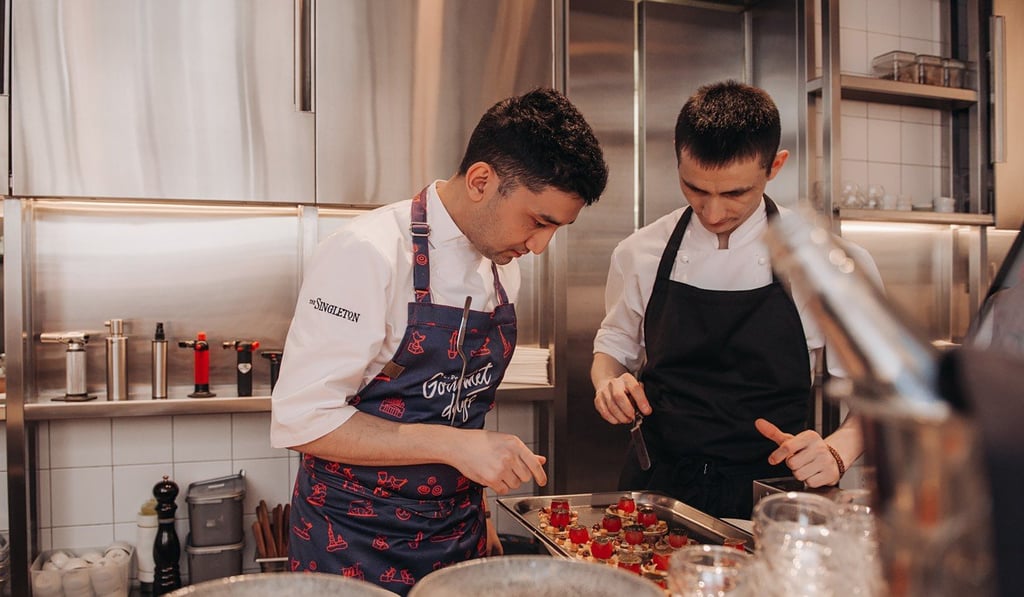
“Anyone can use foie gras or caviar or truffles and make a good dish,” he says. “The real skill lies in taking something ordinary and making it extraordinary.”
Being creative with humble ingredients has become a necessity rather than a conceit in today’s Russia. On August 6, 2014 Russian president Vladimir Putin signed a decree prohibiting the import of numerous agricultural products and foodstuffs from the European Union for one year. The embargo has been extended until December 2019, and now also includes the US, Canada, Australia and Norway, among other nations.