All about mustard seeds, how to release their power and a recipe to make the most of them
Mustard seeds are classed by colour, with the darker ones more pungent. Make the most of their flavour in a spicy vegan dish

Many people think of mustard first as a plant or a condiment rather than a spice, but it is actually all three – and more.
Some of the plants we eat as mustard greens or other types of brassica also yield the mustard seed, which is then made into the condiment (of which there are many variations) or mustard oil, and can even be used to treat certain types of illness.
Mustard seeds tend to be classified by colour – such as white, yellow, brown or black. Brown and black seeds are much more pungent than the lighter coloured ones because they contain sinigrin, the compound that is also found in horseradish.
Sinigrin is released only when the seeds are crushed, which can be done by chewing or grinding them.
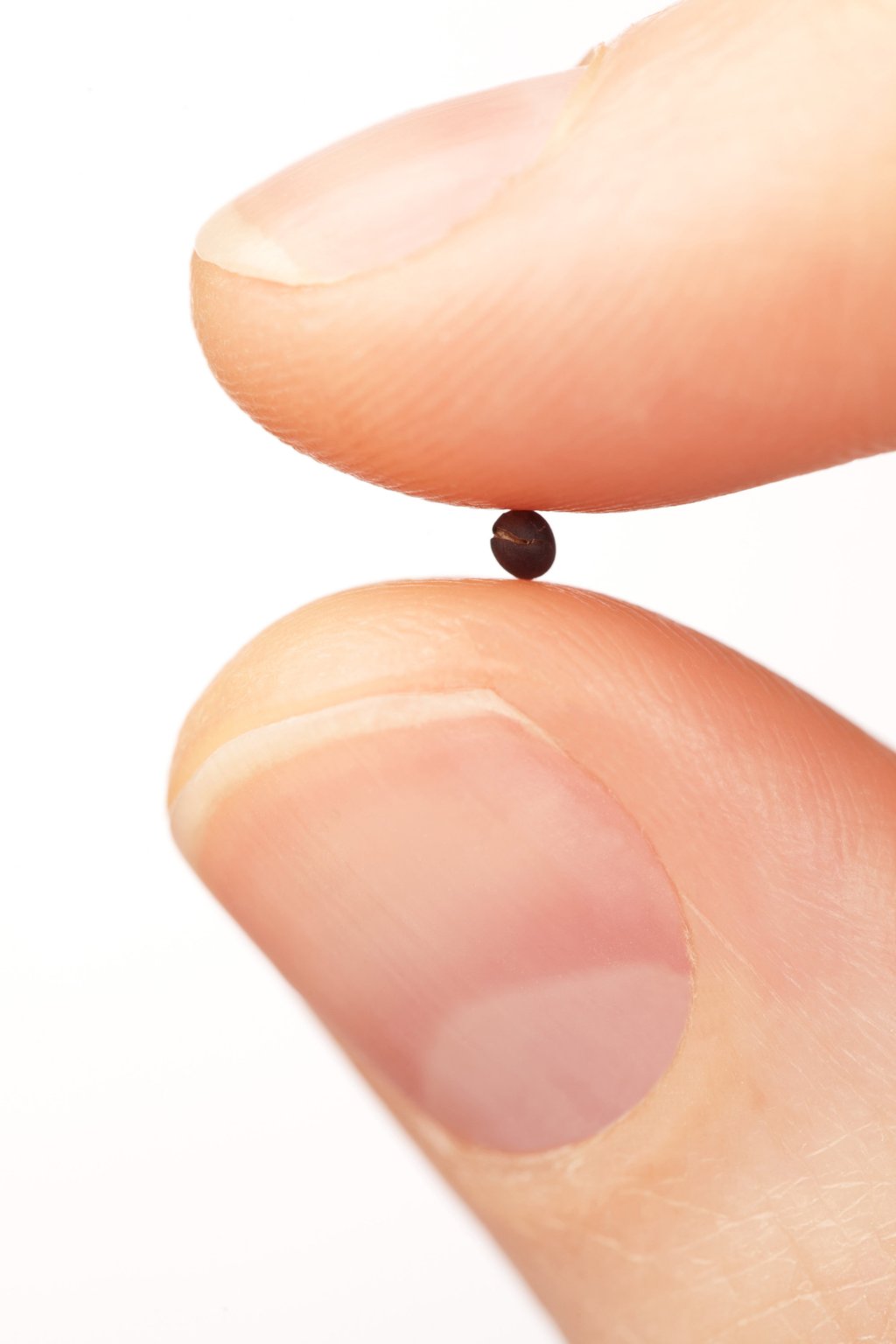
The tiny seeds are used in many cuisines and are often blended with other spices, including other types of mustard.
When whole mustard seeds are used in dishes, they are usually heated – by themselves or with other ingredients – in oil until they start to pop. The flavour of whole seeds is much milder than when they are finely ground.