
Where lychees came from and why in Chinese culture they’re an auspicious symbol
The fruit’s Chinese name gave us the English word ‘lychee’, while wordplay bestowed upon it auspicious connotations

“Eating three hundred lychees every day, I would long live in Lingnan.” The sentiment of Song dynasty poet Su Shi towards this popular summer fruit is echoed by many across Asia today.
From Hong Kong to Hanoi and Maoming to Muzaffarpur, mounds of dusty-pink lychees can be found in wet markets and on the sides of streets at this time of year.
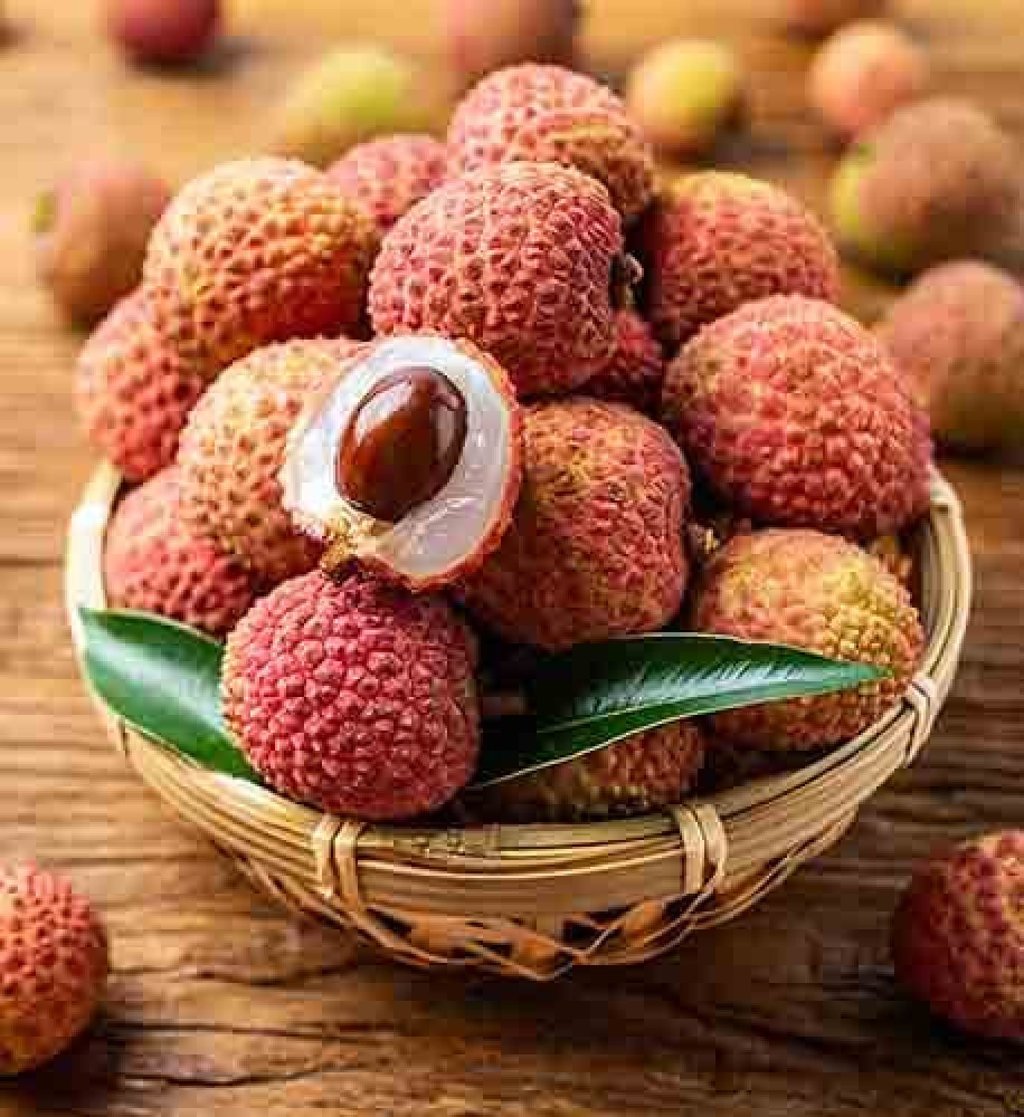
Their thin leathery skin peels easily to reveal luscious translucent-white flesh that covers a shiny seed and has a heady floral flavour.
Native to southern China and northern Vietnam, lychees appear in historical records in China as far back as 200BC.
A 2022 report published in the scientific journal Nature Genetics used DNA sequencing to theorise that the first lychees appeared tens of thousands of years ago in what is today Yunnan province in southwest China.