Baijiu ice cream? Chinese drinks makers target Gen Z as alcohol sales drop
As China cuts down on boozy banquets and business dinners, and people think more about health, baijiu makers are adapting to survive

Long associated with business dinners, the fiery Chinese spirit baijiu is being reshaped to appeal to younger generations as its makers adapt to changing times.
Distilled mostly from sorghum, the clear but pungent spirit contains as much as 60 per cent alcohol. It is the usual choice for toasts of gan bei, the Chinese expression for bottoms up, and raucous drinking games.
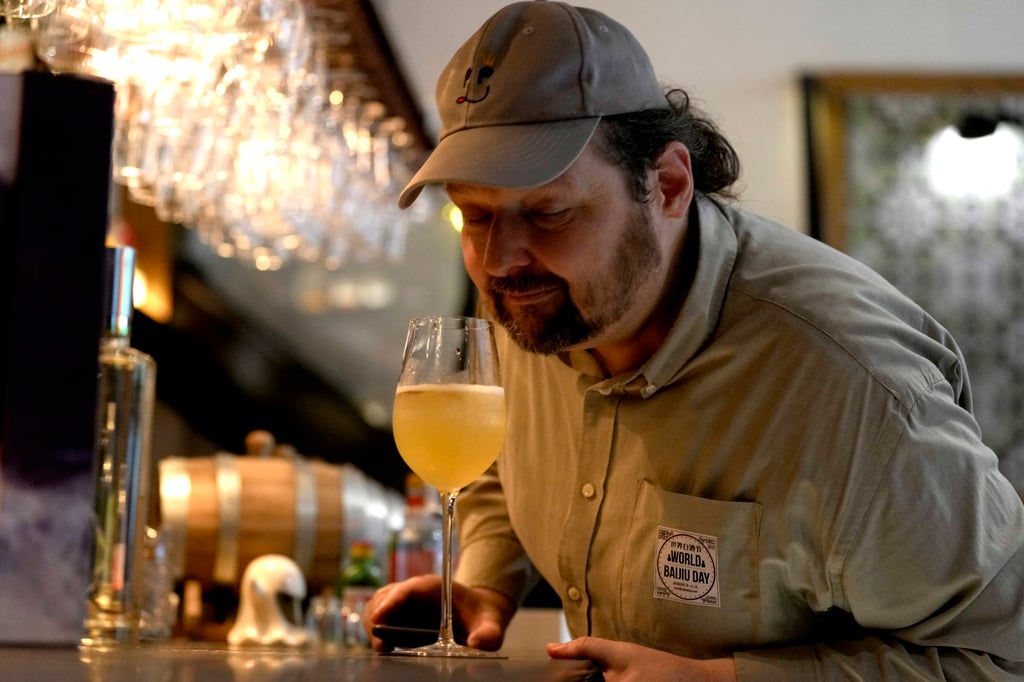
Jim Boyce, a Canadian writer and wine expert, founded World Baijiu Day a decade ago. The annual event aims to promote the traditional spirit, which is far less known internationally than whiskey or vodka.
Moutai, a kind of baijiu made in mountainous Guizhou province in southwestern China, is known as the country’s national spirit.
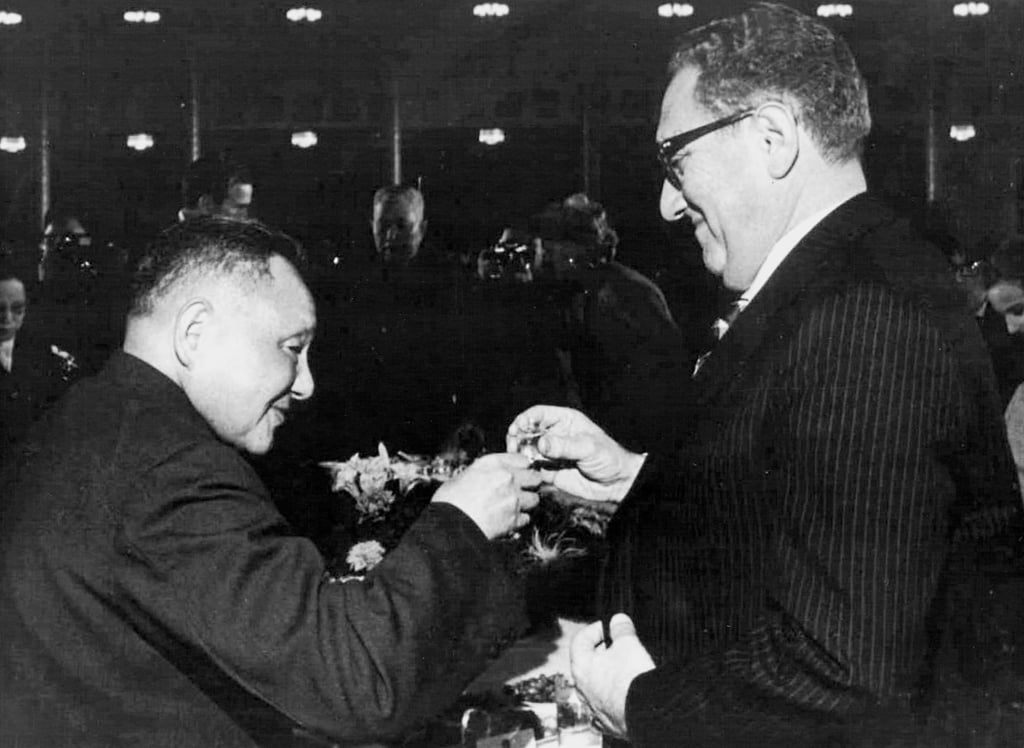
Perhaps its biggest endorsement came in April 1974, when US Secretary of State Henry Kissinger banqueted in New York with Deng Xiaoping, who would later become China’s top leader.
“I think if we drink enough Moutai, we can solve anything,” Kissinger said.
“Then, when I return to China, we must take steps to increase our production of it,” Deng replied, according to an archived document from the US State Department’s Office of the Historian.