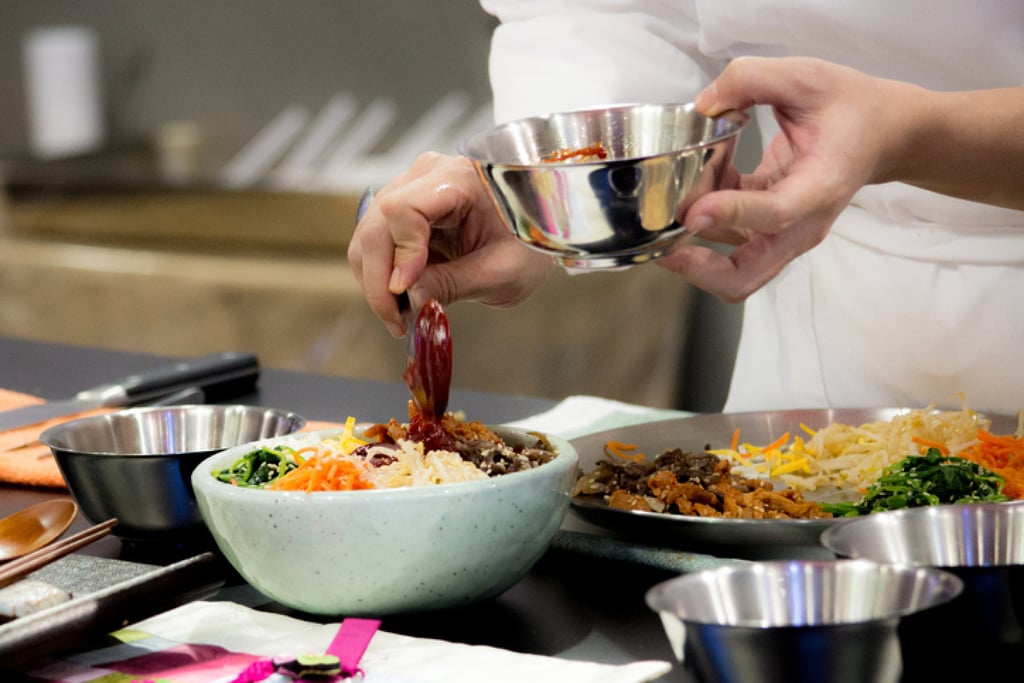
Health benefits of wild vegetable bibimbap, Korean rice bowl full of fibre and vitamins
Sanchae bibimbap is getting more popular for its perceived nutritional benefits and earthy flavours, but be careful how much rice you have

Bibimbap, a rice bowl made with a variety of greens and drizzled with perilla oil, is a representative Korean health food.
Among its many variations, sanchae bibimbap – or wild vegetable bibimbap – is especially gaining popularity for its perceived nutritional benefits and earthy flavours.
In addition to common ingredients such as siraegi (dried radish greens), sweet potato stems, green chilli peppers, dried zucchini slices, dried gourd and radish strips, wild vegetable bibimbap includes foraged mountain greens like mushrooms, bracken, royal fern, deodeok (Codonopsis lanceolate), bellflower root and gondre (wild thistle).
These ingredients are often seasoned and served as side dishes or mixed into the rice bowl. But how healthy is this dish?