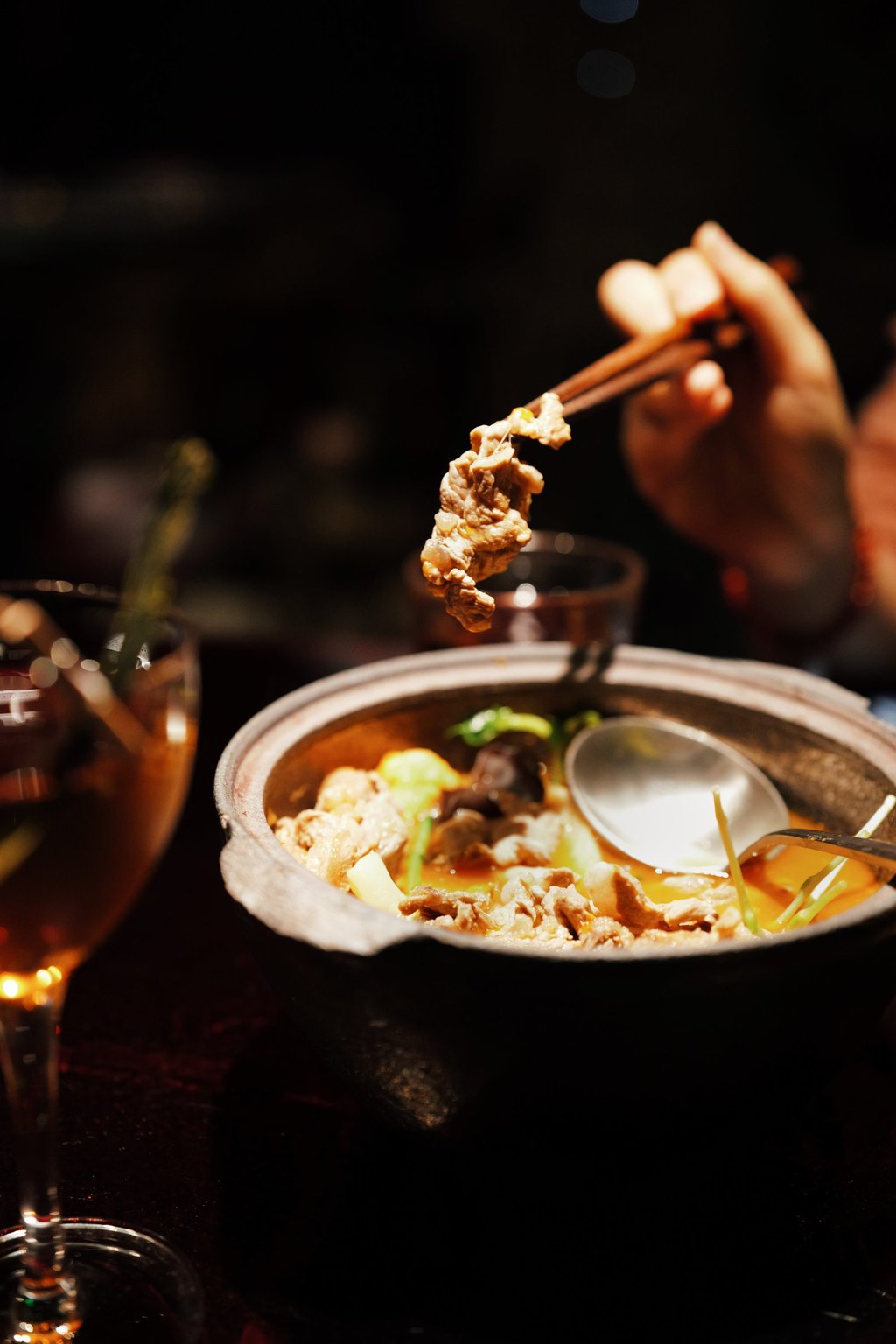
How China’s Yun-Gui cuisine, which shows the best of 2 provinces, is soaring in popularity
Once unfamiliar foods from southwest China’s mountainous Yunnan and Guizhou provinces are winning over diners in the country’s major cities

Airy tofu cubes dyed black with ash, wild litsea seeds packing a lemony punch, and chewy sheets of dry cheese stretched around bamboo sticks – these once unfamiliar foods are winning over palates in China’s major cities.
Cuisines from the mountainous southwestern provinces feature a wide range of wild vegetables and fungi, generously seasoned with fresh herbs and spices. In the search for bolder tastes, locals love to cure, smoke and ferment their foods for an extra kick.
China is now home to more than 40,000 Yun-Gui restaurants – a label derived from the first characters of Yunnan and Guizhou provinces – according to the industry think tank Hong Can. Over half operate in the southwest of the country, but the category is quickly expanding outside its ancestral turf.
“The increasing number of Yunnan and Guizhou restaurants in major tier-one and tier-two cities reflects the growing popularity of these provinces as travel destinations,” says Sisi Cheng, director of outbound travel at WildChina, a company specialising in sustainable and immersive experiences in mainland China.
Long before their cuisines began captivating urban diners, Yunnan and Guizhou occupied a special place in the national imagination as remote, culturally rich borderlands.
“During and post-pandemic, Chinese travellers have increasingly sought less crowded destinations, and both Guizhou and Yunnan became popular choices for those looking to escape the hustle of major tourist hubs,” Cheng says.