Garlic: what to know, how to pick good ones and a tasty tart recipe
Garlic is used in almost every cuisine around the world and comes in many varieties, imparting a mellower flavour when cooked than when raw

It is hard to imagine cooking without garlic – it is one of those ingredients I always have in my kitchen, and it is used in almost every cuisine around the world.
In the not-too-distant past, though, there was a snobbery about it within some cultures: garlic was considered to be an ingredient used only by the lower classes and immigrants.
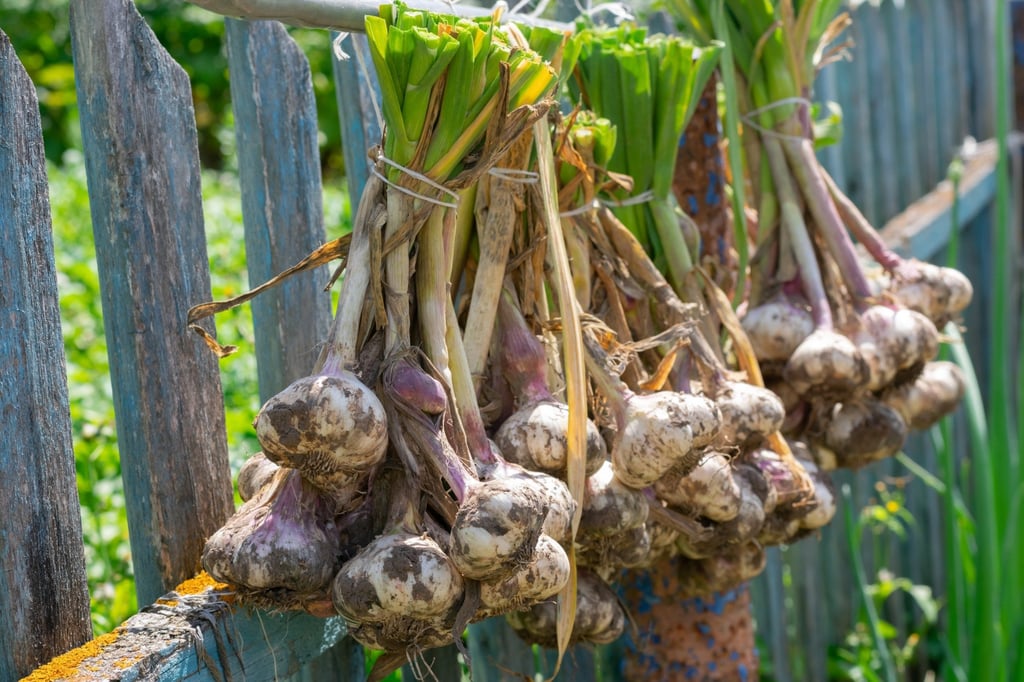
The fat, moist cloves grow tightly packed in what is called a bulb or head, and are covered with a papery skin that is usually removed before the garlic is used. Garlic does not release its pungency and flavour until the flesh is pierced, sliced or crushed.
When raw, the flavour of garlic can be harsh and overwhelming, so it should be used with discretion, except in dishes where you want a strong, garlicky flavour; although even in something like an aioli, two cloves are usually enough to flavour the garlic mayonnaise.
When garlic is cooked slowly, the flavour becomes mellow and sweet – in the classic French dish of chicken with 40 cloves of garlic, the leisurely braising process makes the garlic taste soft and gentle.
There are many varieties of garlic, and they range from strong to mild. The so-called elephant garlic has cloves that can be the size of whole heads of regular garlic. The flavour of elephant garlic is gentle and sweet, and it is one type that is eaten raw.