Advertisement
How to use sumac in salads and kebabs, and a recipe for a filling autumnal dish
Often used in Middle Eastern cuisine, sumac is a versatile sour spice that complements meats, fish, vegetables, legumes and dairy products
3-MIN READ3-MIN
Listen

For many of us, something red on our plate signals to our palates either sweetness (as with strawberries or raspberries) or spiciness (usually chillies). But sumac has neither of those flavours: it is tart.
Its sourness is different to that of lemon, which some recipes say can be used as a substitute. Sumac is more astringent and tannic.
The spice comes from the dark reddish-purple sumac berry, which is dried and then ground to a coarse, gritty powder, and that is usually how it is sold commercially. The spice should be stored in an airtight jar, in a cool, dark place.
Advertisement
Sumac is often one of the ingredients in spice blends such as za’atar. It is also a versatile spice and complements meats, fish, vegetables, legumes and dairy products. It often appears in Middle Eastern mezze spreads, sprinkled over salads, hummus and yogurt.
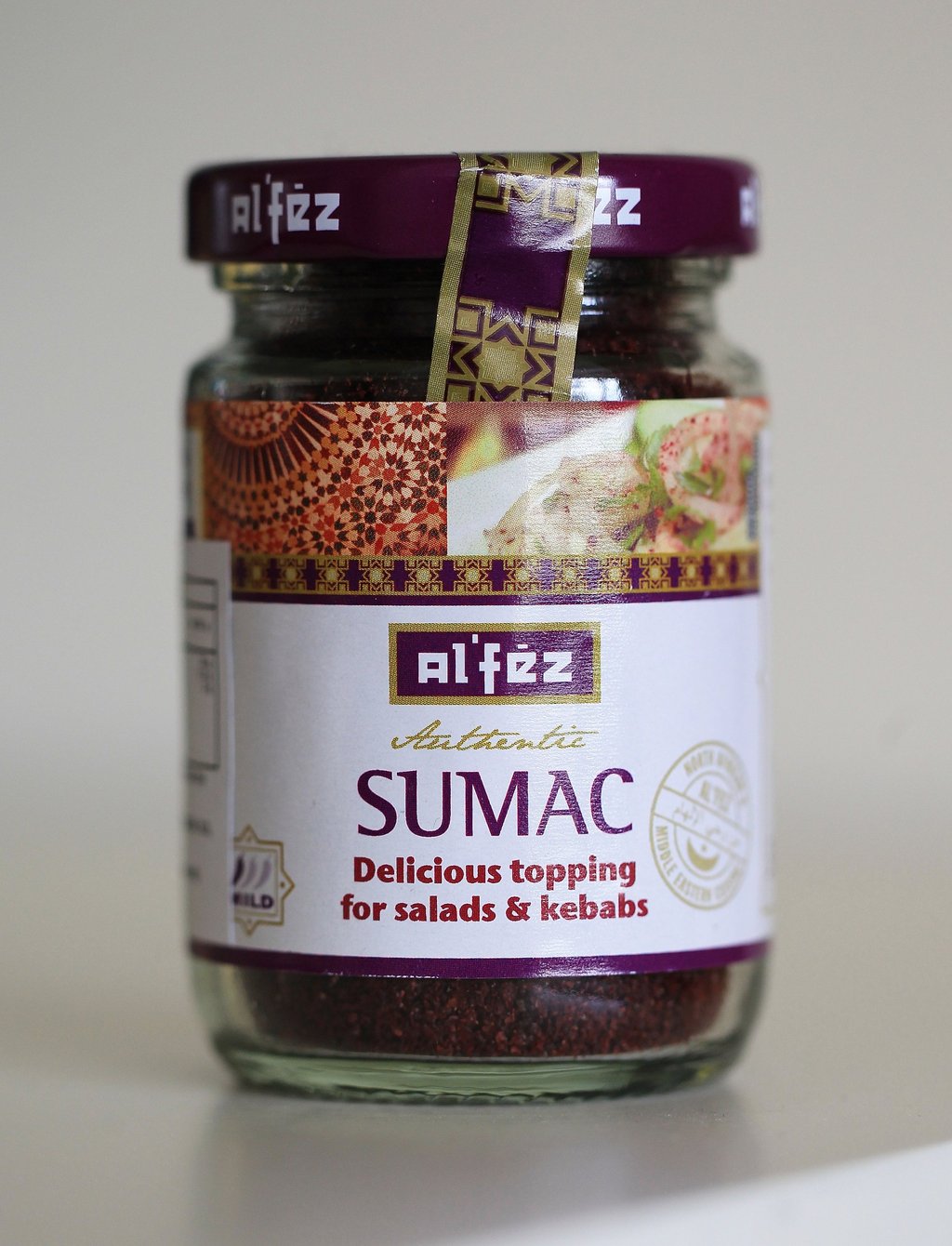
Use sumac in kebabs…
For kebabs, mix ground lamb (or a mixture of beef and lamb) with minced garlic, onion, parsley, ground cumin and other spices. Shape the mixture into meatballs, then skewer them.
Advertisement
Select Voice
Select Speed
1.00x