Best things to eat in Chaoshan, China, a food paradise in Guangdong province
Chef Huang Jinghui reveals the secrets of Chaoshan cuisine – also called Chiu Chow cuisine – from seasonal seafood to lion-head goose

Chaoshan, a region in the eastern part of China’s Guangdong province, is known for its unique culture and food. For chef Huang Jinghui, the essence of the region’s cuisine is rooted in the salt air of Huilai county, on the coast just south of Shantou.
Growing up near Huilai’s historic Shenquan Port, he would listen to his grandmother’s stories of families who, unable to afford cooking oil, relied on sa sek: the method of boiling catch directly in seawater.
This necessity gave birth to the classic Chaoshan dish yu fan (literally “fish rice”), which typically comprises whole fish served in shallow bamboo baskets, accompanied only by soybean paste.
“Despite its name, yu fan contains no rice,” Huang says. “This speciality embodies the wisdom of fishermen. With no refrigeration at sea, they would cook their catch in seawater. This was fish, but also their ‘rice’ [their staple food source].”
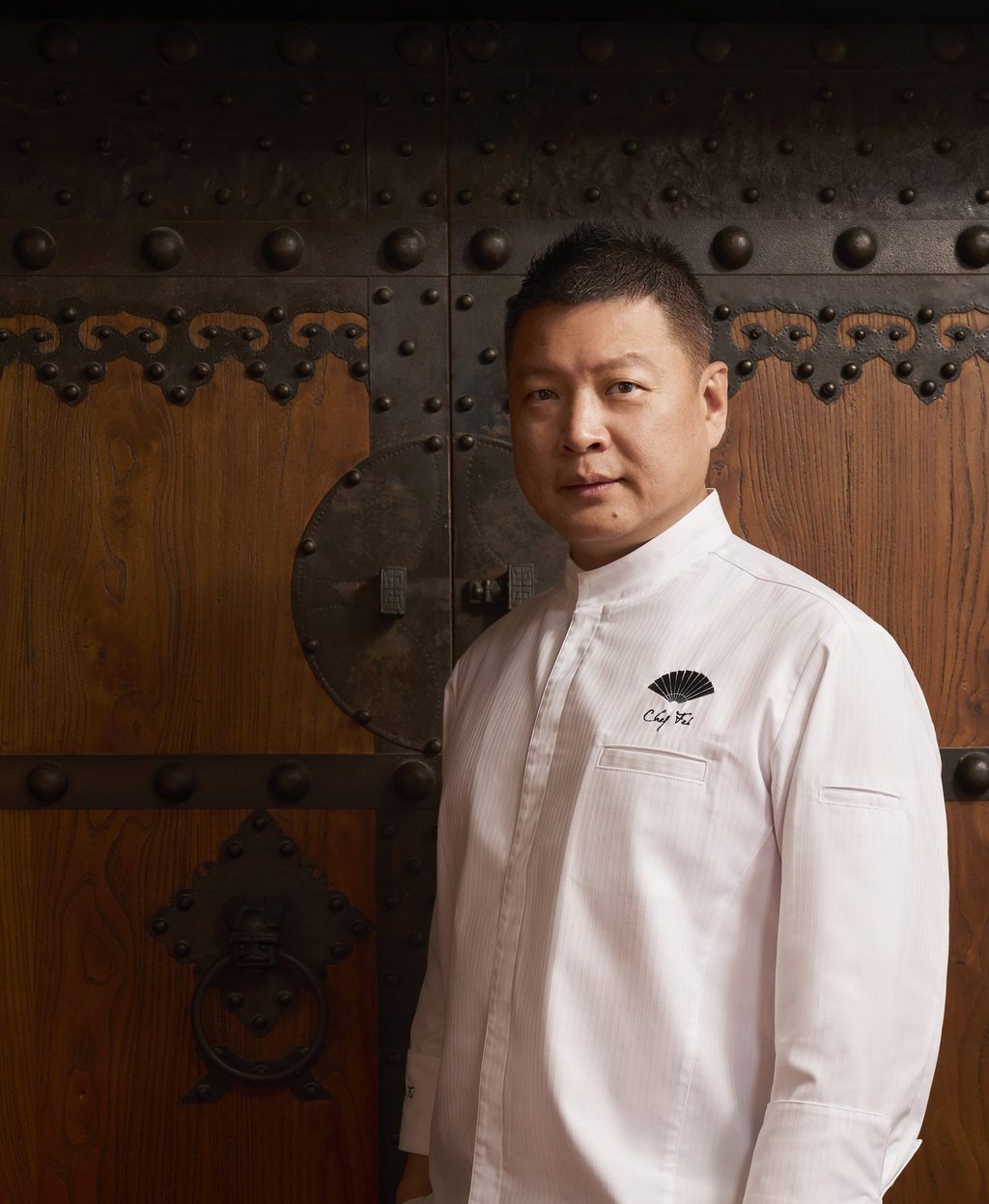
But the road to success was not easy. Huang lost his father early in life, which prompted him to leave school – even though he was a good student – and build his future in Guangdong’s capital, Guangzhou. He was only 16 when he became an apprentice at Guangzhou’s Tian He Bin Guan hotel, and had become a restaurant executive chef by the time he was 20.