Advertisement

On the Menu
What The Odyssey tells us about the age-old concept of hospitality and respect for others
From the concept of xenia to judging a person by how they treat the lowest rung of society, the Greek classic has plenty of food for thought
2-MIN READ2-MIN
1
Listen

Charmaine Mok is the Deputy Culture Editor at SCMP and the desk's food and wine specialist.
Christopher Nolan’s reimagining of Homer’s The Odyssey is the very definition of a visual feast, an epic tale that has one thinking about it long after leaving the cinema.
While there has been plenty of dialogue about its ambitious and creative retelling of the Greek classic, from casting decisions to its audacious use of 70mm IMAX film (leading to its own mountain of memes), I naturally gravitated towards the culinary symbolism throughout the screening.
There is, of course, that grotesque sequence where the cunning sorceress Circe uses her cooking to turn Odysseus’ soldiers into pigs. It is a visceral scene, and a pointed allusion to the insatiable greed of the men who have plundered and pillaged their way through the world at the expense of others. “This is what they are,” Circe drily tells Odysseus, asserting that she had simply revealed the true nature of his crew.
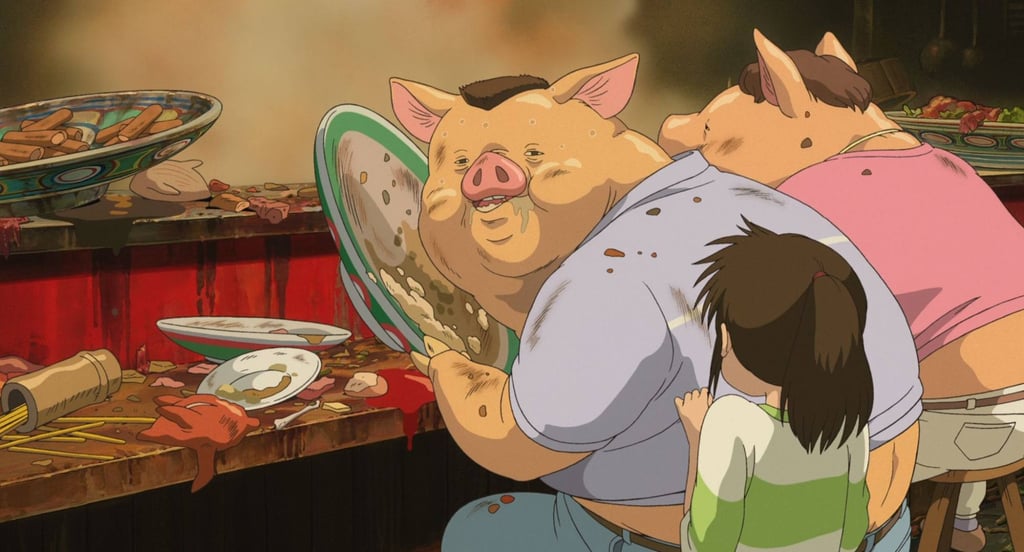
It is also a moment that calls to mind the infamous transformation of Chihiro’s parents into massive, greedy swine in the 2001 Studio Ghibli classic Spirited Away.
In the animated film, the malevolent witch Yubaba also insinuates that the pair had brought it upon themselves. “You humans always make a mess of things,” she hisses at Chihiro.
The follies of men are seen through the detestable Antinous, played by Robert Pattinson, who leans fully into the role of villain, scoffing at the idea of welcoming vagrants – calling them “plate-lickers” – at the table in the palace of Ithaca. “Would somebody get these beggars out of here?” he declares, smirking, unaware of the true identity of the hooded figure before him.
Advertisement
Select Voice
Select Speed
1.00x