Children’s fitness levels have declined, except for grip strength, research shows – and coronavirus pandemic has made the trend worse
- Inactive parents, focus on academics, overuse of devices and reliance on ‘passive’ transport is fuelling sedentarism and obesity in Hong Kong, professor says
- ‘Focus less on the hurt and more on the dirt,’ a researcher tells parents worried their kids will get muddy or injure themselves in sport or active outdoor play

Children’s grip strength seems to be improving year over year but other measures of their fitness levels are declining, recent research shows.
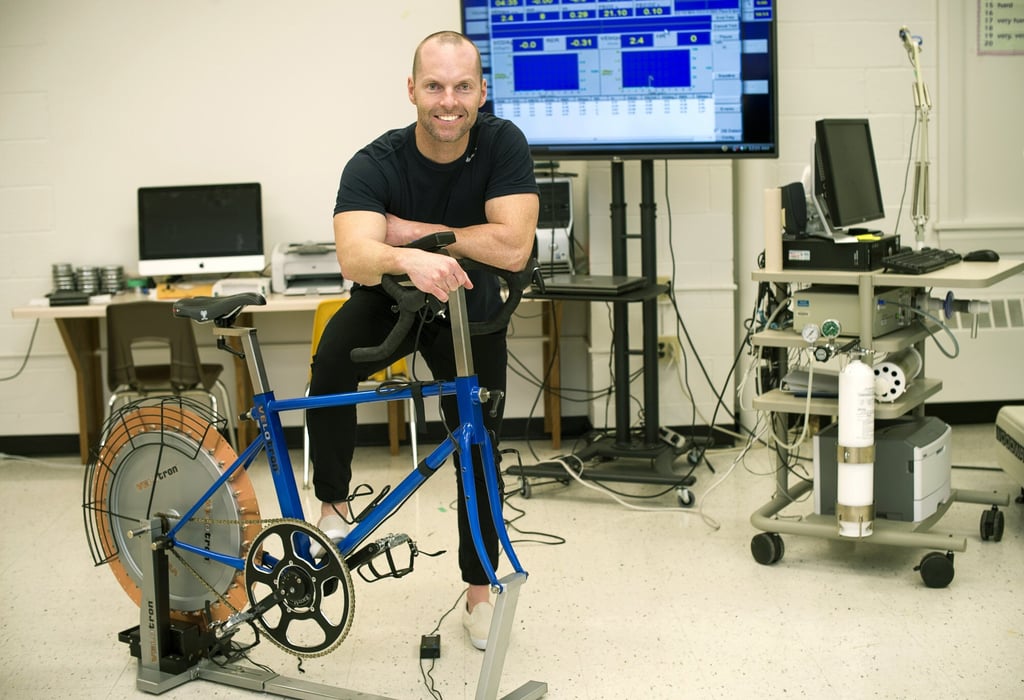
Throughout 2020, Grant Tomkinson, professor of education, health and behaviour at the University of North Dakota in the United States, led a research team to measure the disparities in children’s fitness levels over time using physical strength indicators.
Hailing from Australia, Tomkinson completed his undergraduate degree in sport science from the University of New South Wales and, later, his PhD in human movement from the University of South Australia. He competed in track at the state and national levels during his postsecondary years.
“What I was really interested in is not how the physical fitness of kids changes as they age but if we were to take a typical 12-year-old boy or girl in the year 2000 and compare that to the typical 12-year-old boy or girl from 1990, 1980, 1970, how would they match up?”