Advertisement
Dementia linked to diabetes, herpes as research looks beyond brain proteins to find cause
Protein clumps in the brain have long been associated with Alzheimer’s, but other potential causes of the condition are now in the spotlight
4-MIN READ4-MIN
2

This is the 59th instalment in a series on dementia, including the research into its causes and treatment, advice for carers and stories of hope.
The so-called amyloid hypothesis has dominated thinking on Alzheimer’s disease for more than a century – since German psychiatrist and neuropathologist Alois Alzheimer found abnormal clumps of proteins called amyloids in a deceased patient’s brain in 1906.
Today we know these as amyloid plaques, which, along with tau tangles – the build-up of tau proteins inside neurons – are primary features of Alzheimer’s disease.
Advertisement
Their occurrence can set up a catastrophic chain reaction that ultimately leads to the symptoms we associate with dementia.
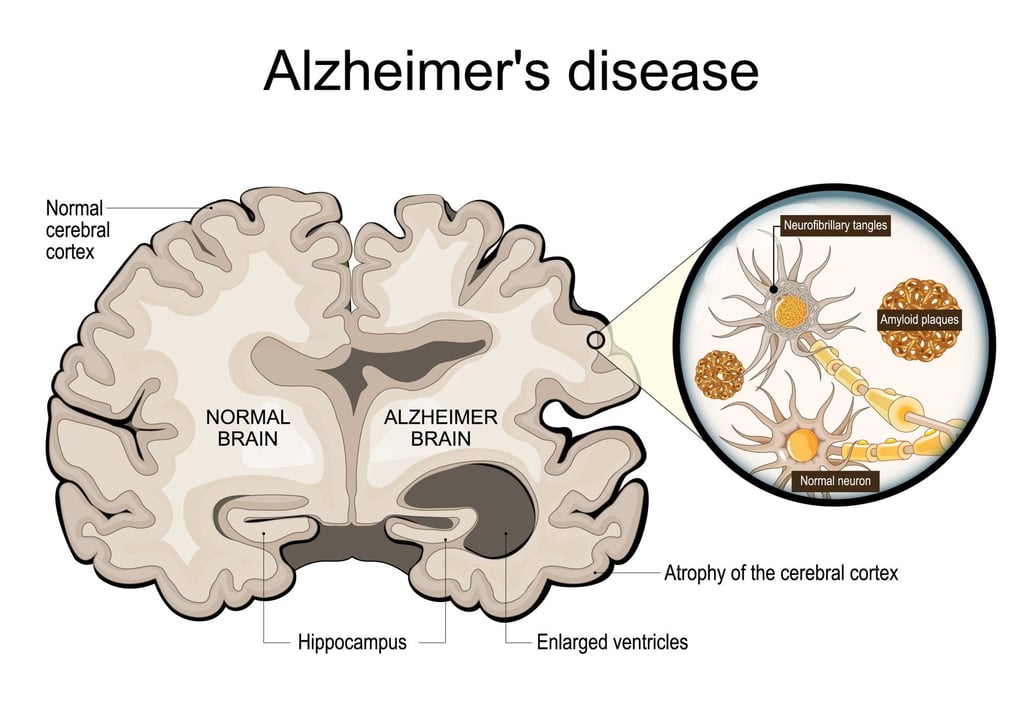
But having amyloid deposits in the brain does not always lead to dementia. Some people exhibit amyloid plaques and tau tangles but never develop the characteristic symptoms of dementia.
Advertisement
This is usually explained by a patient’s cognitive reserve – the brain’s resistance to damage, which we can build up by keeping the brain active and through continued social interaction as we age.
Advertisement
Select Voice
Select Speed
1.00x