What is ‘volume eating’? New weight-loss hack is trending, but experts warn of risks
Volume eating involves consuming high-volume, low-calorie foods that help you feel fuller. While it can help, experts advise caution

“Volume eating” is a new weight-loss hack that is trending on social media. A search on Instagram brings up more than 45,000 related posts.
The practice is simple: focus on consuming large amounts of low-calorie foods that are high volume or high bulk – that is, high in water, fibre or air content.
Also known as the Volumetrics Diet, which was created in 2000 by Professor Barbara Rolls at Pennsylvania State University in the US, volume eating is said to work well for weight loss because the foods increase satiety – the feeling of fullness.
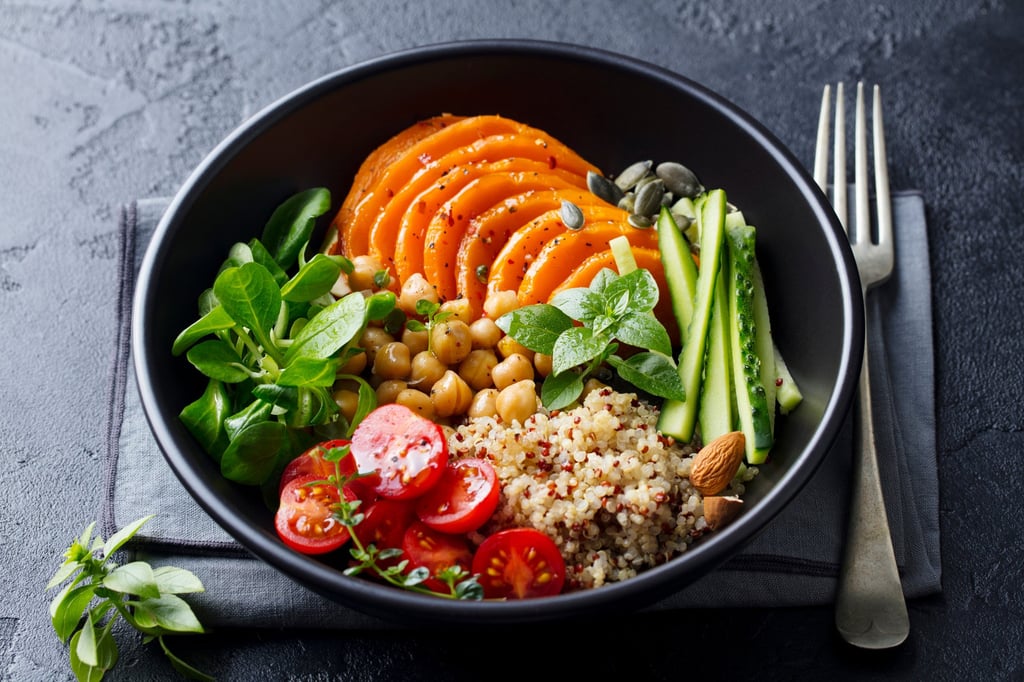
Foods typically consumed on this diet include vegetables, fruits, broth-based soups, lean proteins – including beans, legumes and low-fat dairy products – and whole grains, like brown rice, oats, air-popped popcorn and plain rice cakes.
Followers are discouraged from eating fatty meats, red meat, nuts, oils, and snacks and foods that are heavily processed or high in sugar and fat.
According to nutrition experts, volume eating offers a range of benefits besides weight loss and management.