Advertisement

Reflections
Ancient Chinese sleep advice, from bedtimes and body positions to state of mind
For premodern Chinese people, sleep was much more than daily rest – it was a cultivated discipline and a medical necessity
2-MIN READ2-MIN
3
Listen

Having lived his whole life in the modern cities of Singapore and Hong Kong, Wee Kek Koon has an inexplicable fascination with the past.
I was recently diagnosed with severe obstructive sleep apnoea (OSA) after an overnight sleep test at a hospital. I had long known I was a loud snorer, but what finally drove me to seek medical help was persistent daytime exhaustion despite clocking a full eight hours of sleep each night.
The results were alarming. A normal person has five or fewer “events” – when the airway is partially or fully blocked during sleep – an hour. I recorded 63. At one point, I stopped breathing for 77 seconds.
I share this not to be ghoulish, but to encourage anyone with symptoms of sleep deprivation to get tested. Beyond fatigue and poor concentration, untreated OSA raises the risk of stroke, heart disease and dementia. My doctor calls it a “silent killer” and commended me for taking the initiative to address the problem early.
I now sleep with a continuous positive airway pressure (CPAP) machine, which I call my “Darth Vader breather”. It is working wonders for my sleep quality. I no longer snore and I am getting my mojo back.
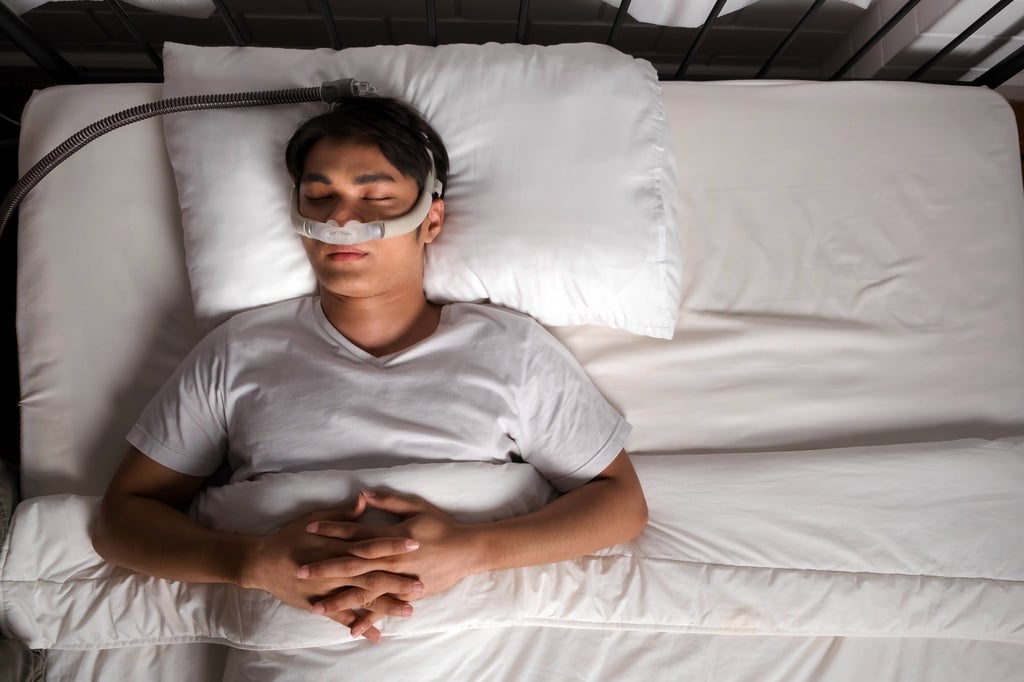
For premodern Chinese people, sleep was much more than daily rest. It was a cultivated discipline and a medical necessity. Far from today’s sleep-deprived world, the ancient Chinese developed a philosophy of slumber that regulated everything from bedtime to body position, believing that proper rest governed health and clarity.
The ideal sleep schedule followed nature’s rhythms. The Yellow Emperor’s Inner Canon, a foundational medical text from the pre-Qin era, prescribed seasonal adjustments: shorter nights in spring and summer, and longer rest in autumn and winter. The best time to retire was the hai period (9pm-11pm), known as the “hour of human stillness”, when the body’s energy channels were believed to benefit most from rest.
Advertisement
Select Voice
Select Speed
1.00x