What to do in Brighton, from the Palace Pier and i360 to Kemptown and The Lanes
Brighton’s bathing tradition began in the 1700s as a place for people to boost their health. Now it attracts over 8 million visitors a year

Brighton, one of Europe’s first seaside resorts, is as quirky, bizarre and charming as anyone could wish.
It rose to fame in part thanks to Richard Russell, a man whose health theories surrounding seawater in the 18th century brought people flocking to this coastal spot in England. You will not find a statue to commemorate him anywhere, just a plaque affixed to the house – now the Hotel Royal Albion – where the doctor once lived.
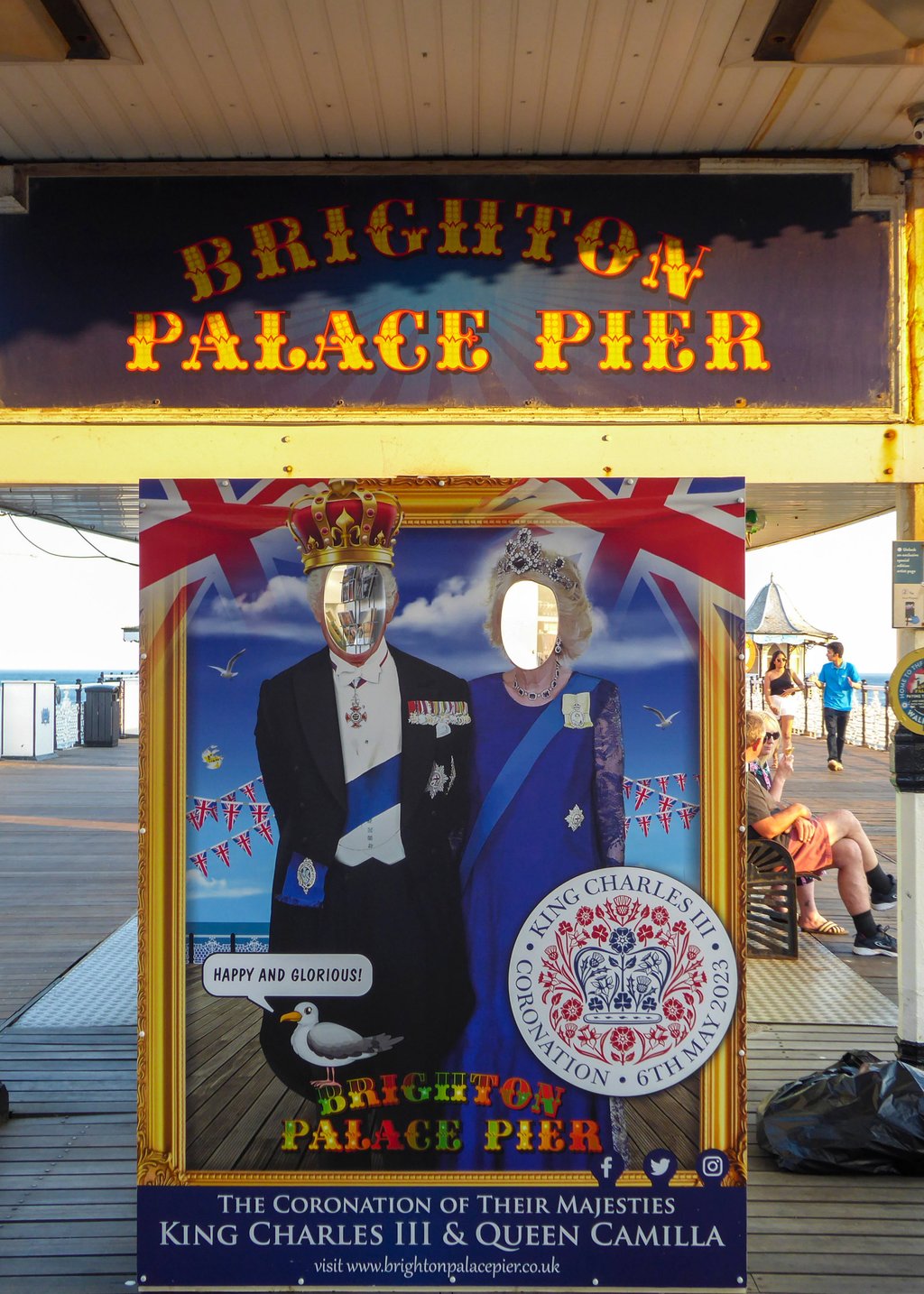
The city’s most famous feature is Brighton Palace Pier, whose flashing lights invite you to explore a mile of rides, food and games by the sea. It is a mixture of old-world magic, funfair and casino. Among the amusement arcades and slot machines, you will find fortune-tellers ready to predict your future.
Brighton’s bathing tradition began in the mid-1700s, after Russell published an essay describing the health benefits of time spent by the sea. The British doctor not only advised people to swim in the salt water but also to drink it. In 1753, after his treatments proved popular, he moved to Brighton himself.