Why the bun hairstyle is such a versatile classic: adopt the sleek chignon of Audrey Hepburn, Kendall Jenner and Bella Hadid, or the signature messy twist of Meghan Markle to elevate your look

From toga-toting ancient times to today, buns have reigned supreme, suited to a red carpet or a Zoom call, as the style offers room for easy elegance and personal expression
If hairstyles had passports, the bun would surely boast the most stamps. It’s been everywhere: gracing royal courts and spinning through dance studios, quickly whipped up atop heads on coffee runs and catching the light on fashion runways. This deceptively simple hairstyle has reigned for centuries, repeatedly declared “the look of the season” as though it had ever truly faded from style. The bun is fashion’s quiet overachiever: endlessly adaptable, reliably chic and just as fitting at a couture show as it is during a 7am Zoom call with one eye still closed.
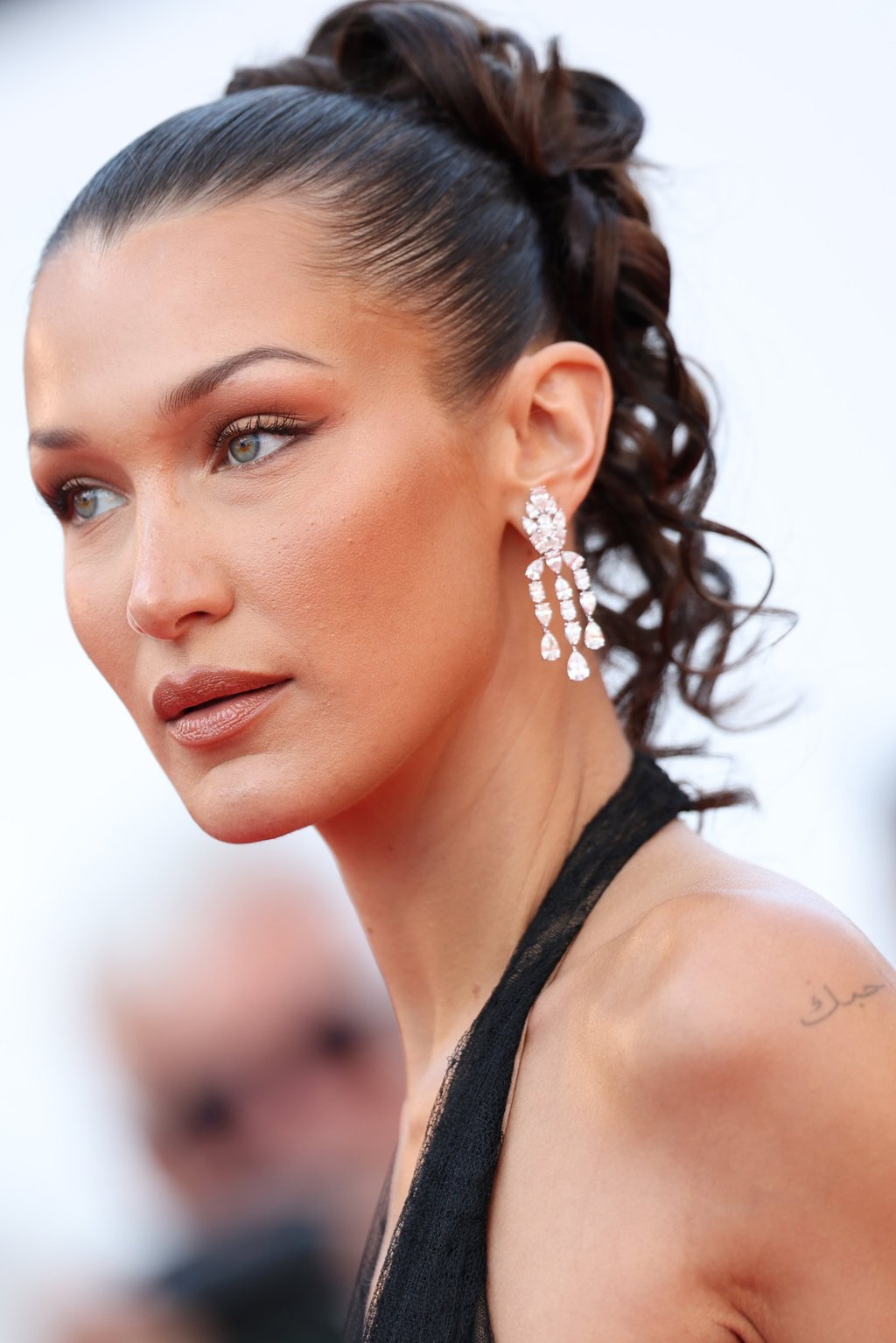
The bun has been around for millennia. In Ancient Greece, women wore theirs in intricate coils pinned with gold, signalling elegance and status. In parts of East Asia, buns adorned with a jade comb or silk ribbon told entire stories: of marital status, social rank, and even cultural and social significance.
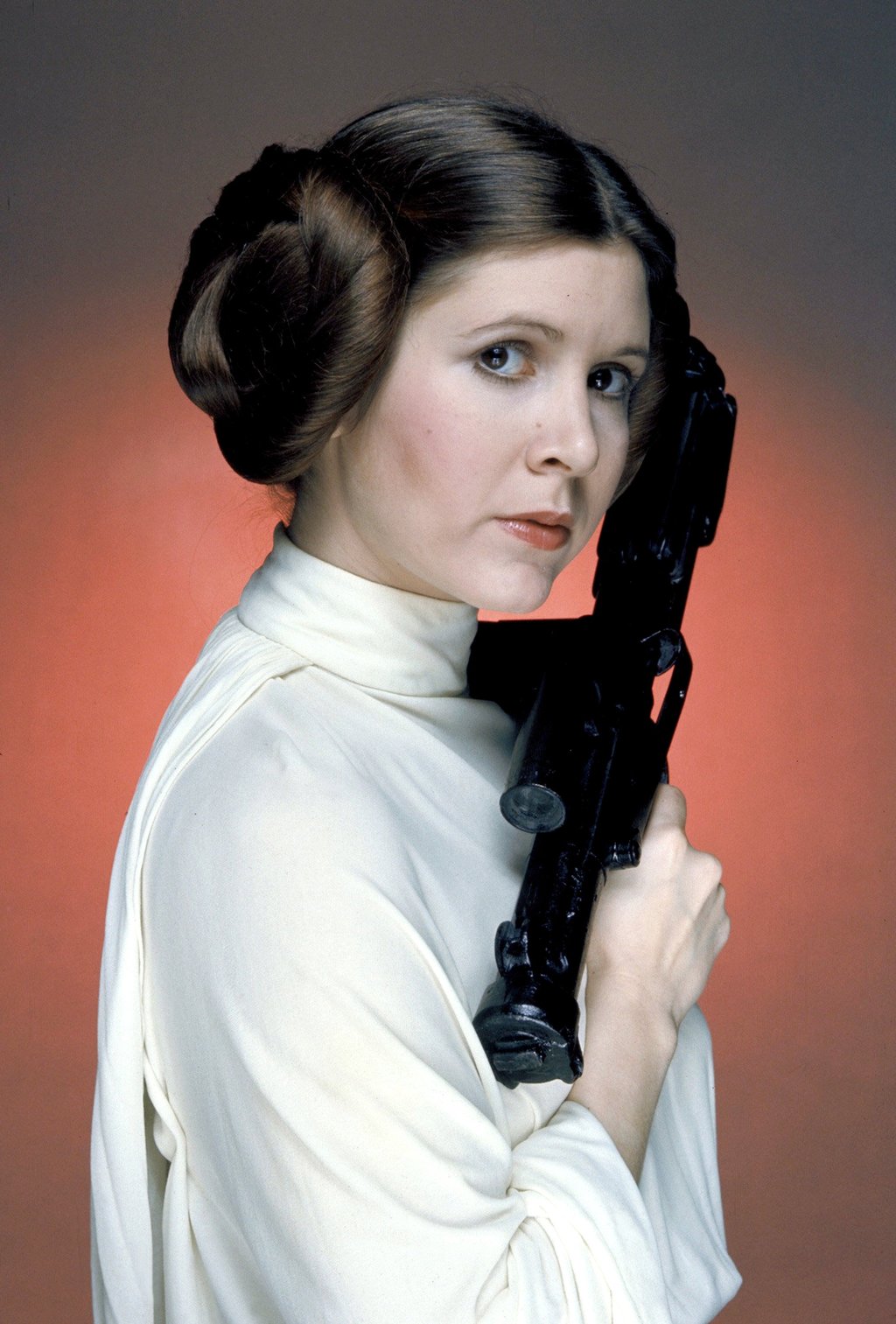
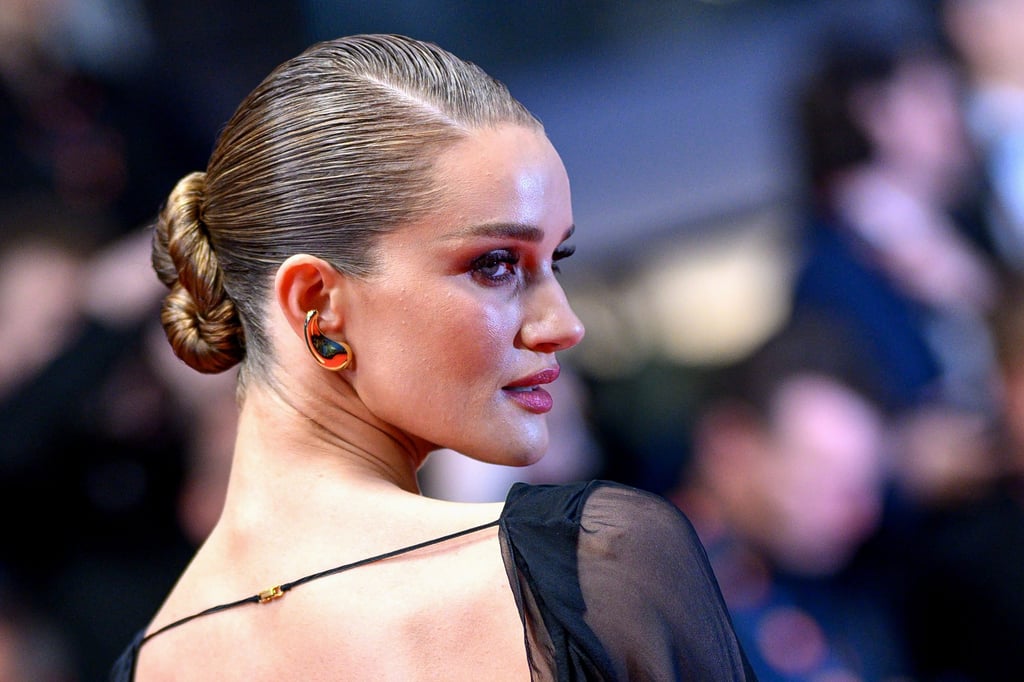
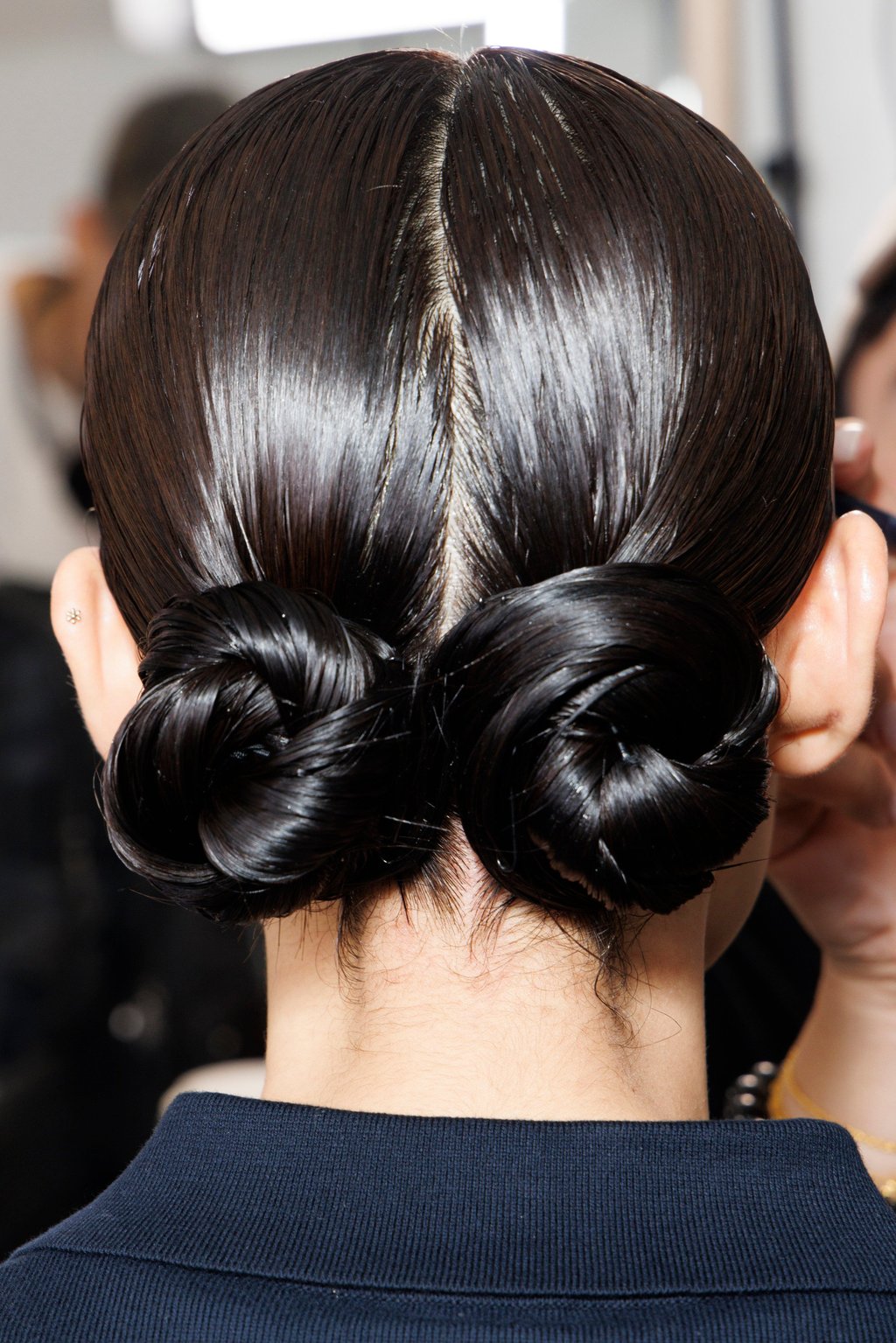
The bun’s versatility isn’t a coincidence: it’s practically physics. It works with virtually every hair type, length and texture. High buns elongate faces, low buns soften sharp angles, and side buns add whimsical asymmetry. “Buns remain a timeless go-to because they’re incredibly versatile – whether worn high or low, messy or sleek, they work for nearly every hair type and occasion,” says Andrew Fitzsimons, celebrity hairstylist and founder of Andrew Fitzsimons Hair. “They strike the perfect balance between effortlessness and polish, which is why people embrace them year after year.”