How beauty advent calendars became a seasonal must-have, with offerings from Chanel and Sephora

Liberty London pioneered the marketing masterstroke in 2014 – but what caused Sephora and Chanel to miss the mark in previous years?
Many of us know advent calendars as lighthearted indulgences – a daily treat in the run-up to Christmas. Then the beauty industry spotted a potential gold mine, and what began as a novelty turned into a marketing masterstroke: bundle 24 miniature surprises, call the collection festive and limited edition, and suddenly you’ve got urgency, exclusivity and hype, all tied up with a bow.
Drawing on the ritual of counting down to Christmas – the advent calendar’s tiny doors hiding pieces of chocolate or, in earlier times, small toys – beauty brands have rewritten the tradition in glass jars and gold foil. Now, nearly every major beauty name has its own version, each more elaborate than the last. The appeal is easy to understand: we love discovery, we hate missing out, and we’re addicted to tiny rituals – and with that, advent calendars have become part of the season’s rhythm, complete with wait-lists, alarms and flash drops that sell out in seconds.
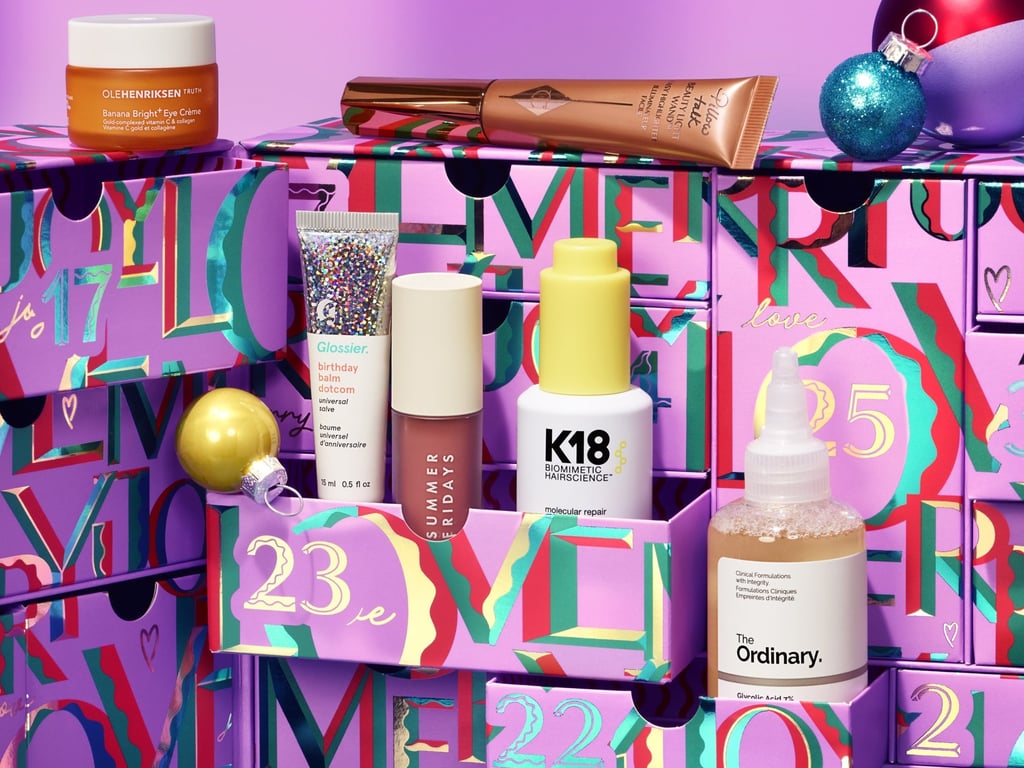
What looks like holiday magic is, of course, also brilliant business. Behind the glitter and countdowns lies a finely tuned strategy, one that the industry has perfected. “Beauty and retail brands can really hit the mark with advent calendars. Not just as a festive product, but as a smart strategy to move a ton of units quickly,” says Denis Erturan, digital strategy and measurement lead at London-based PR and influencer marketing agency The Cast. He notes that the best calendars function as both marketing and logistics tools, letting brands capitalise on the season’s excitement while clearing inventory and boosting visibility in one swoop. “Plus, these calendars offer fantastic cross-promo opportunities, allowing retailers to highlight other holiday offerings or in-store events for other lines, drawing more traffic and sales overall.”
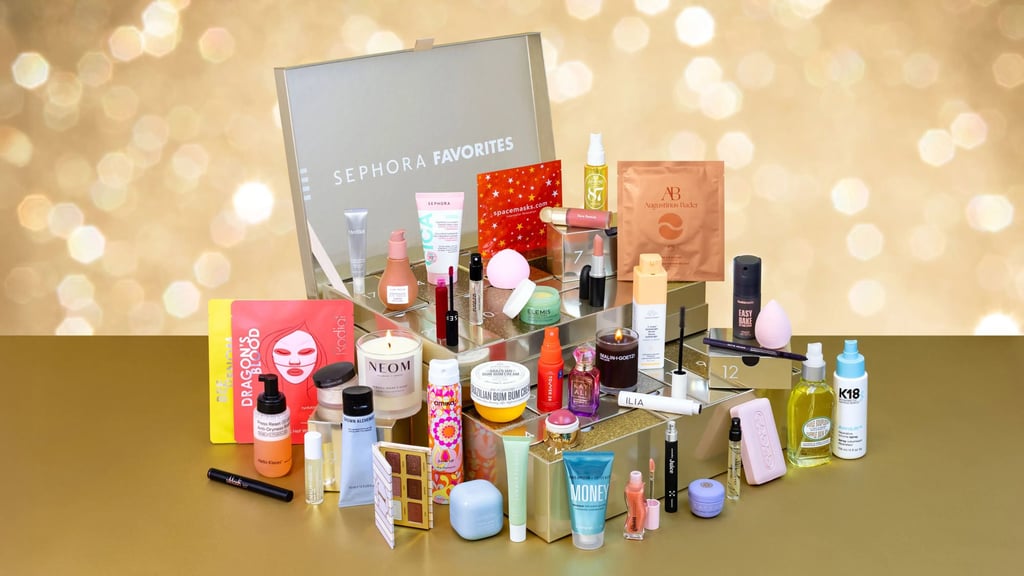
According to Erturan, for retailers curating multi-brand calendars, the format can be a game changer. “These calendars let retailers stand out, even if they’re not primarily known for their own branded products,” he explains, pointing to examples like the John Lewis Beauty Advent Calendar. “By offering a well-curated product, retailers attract those seeking the perfect gift for their loved ones, friends or colleagues. It’s also a brilliant upselling tool, as each product inside serves as a teaser that [potentially] hooks customers in the future.”
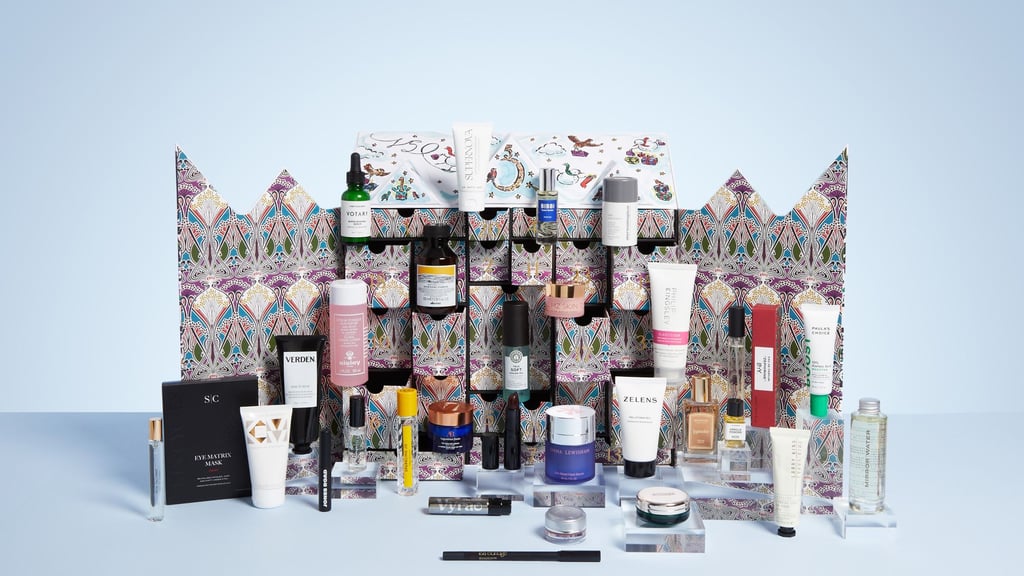
But with so many brands entering the space, not all have delivered on what they promised. The ones that succeed year after year tend to follow certain rules: a good balance of small, mid-size and sometimes even full-size inclusions, cohesive brand voice, and strong and thoughtful curation across beauty categories – not just filler items.