The secret to a calm epidermis might be soothing anti-inflammatory skincare

Unlock the science behind anti-stress products by the likes of Chanel, Laneige and SkinCeuticals, and help your skin stay calm and resilient
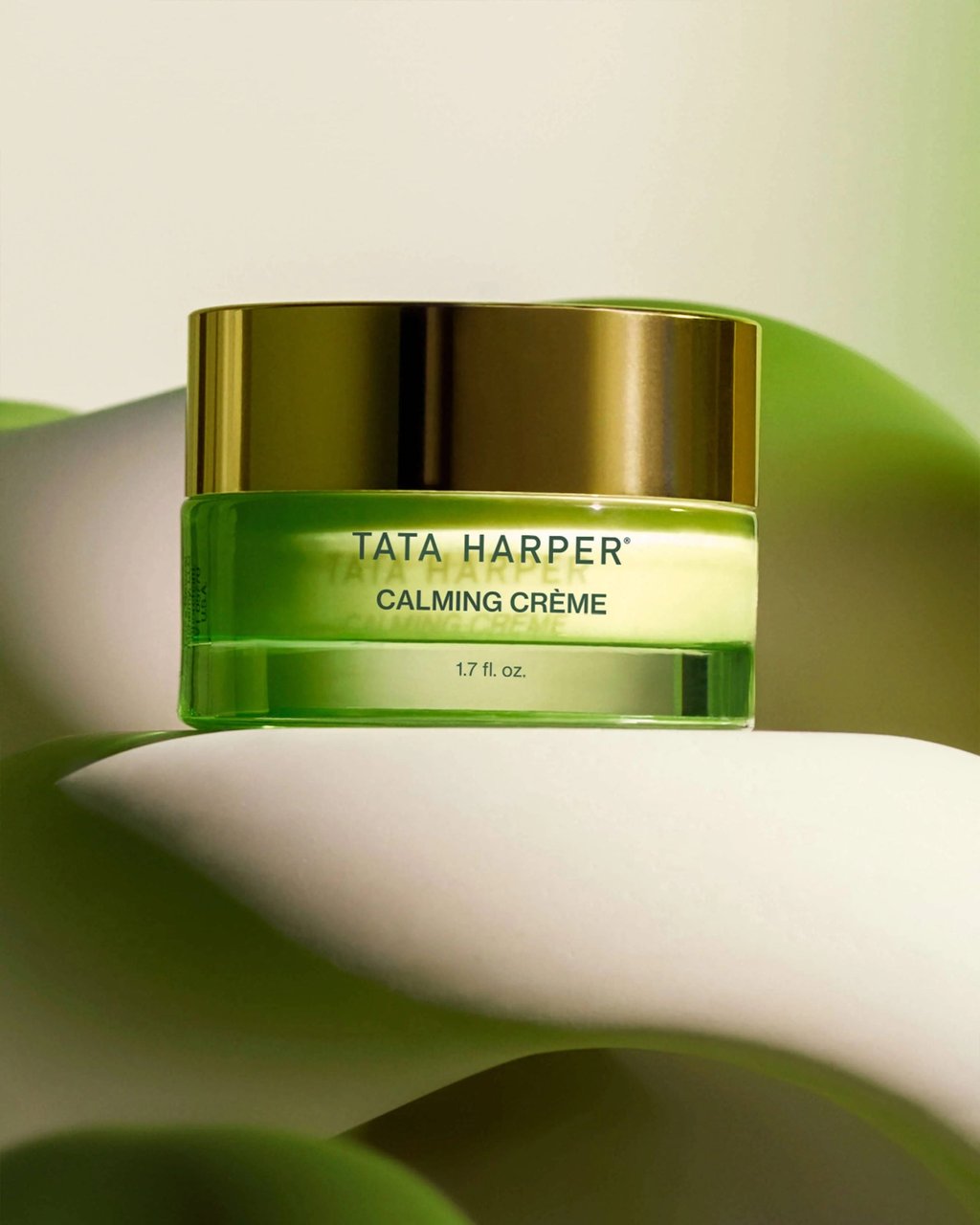
There’s a specific shade of green that now lives in the skincare aisle, the kind that promises to calm, repair and reset your complexion in a single swipe. Add a few reassuring words like microbiome-friendly, barrier-supporting or soothing, and suddenly everything from your cleanser to your lip balm is positioned as emotional support skincare.
And it makes sense. Most of us feel a little frazzled, so the idea that our skin might also need calming down is oddly comforting. But the anti-inflammatory tag is doing a lot of heavy lifting in that promise. So if your face isn’t actively peeling or flaring, what does anti-inflammatory skincare actually do for you?
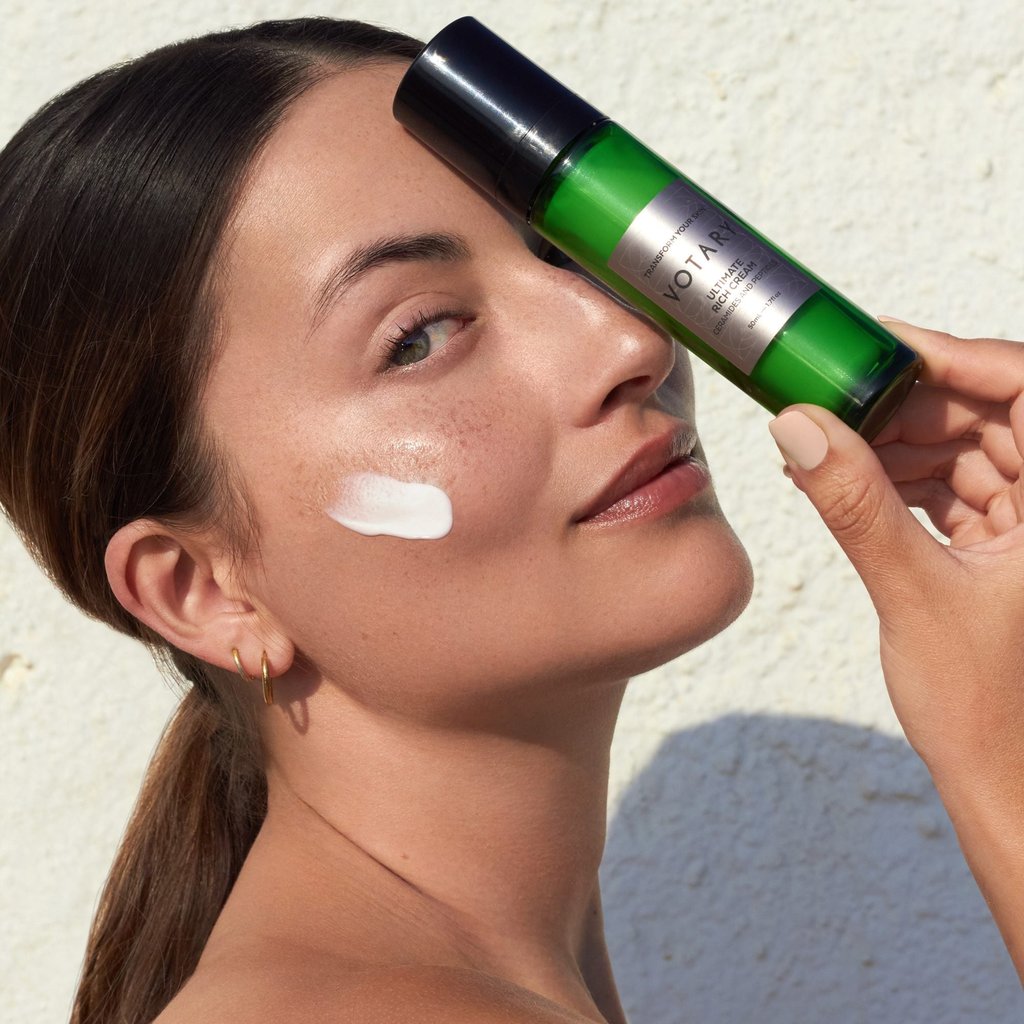
“In skincare, ‘inflammation’ refers to the everyday stress your skin faces: dryness, harsh ingredients, UV exposure, pollution,” says Ulrika Ramberg, cosmetic formulation scientist and head of R&D at Mantle. These triggers can make skin feel tight, look red and become reactive. Anti-inflammatory formulas, she explains, “help dial down those stress signals … soothe irritation, minimise redness and support a calmer, more resilient barrier.”
Underneath, there’s more happening than a little redness. “Inwardly, inflammation is the immune system’s protective response,” says cosmetic chemist and skin biologist Dr Hu Shuting, co-founder of Acaderma. She distinguishes between acute inflammation, “the skin’s immediate, visible response to acute trauma (like a sunburn) where stressed cells signal blood vessels to dilate, causing temporary redness and swelling”, and chronic inflammation, “a persistent, low-grade process driven by daily stressors like UV and pollution” that damages the barrier and “leads to the loss of collagen, hyaluronic acid and ultimately results in decreased skin elasticity and wrinkles”.
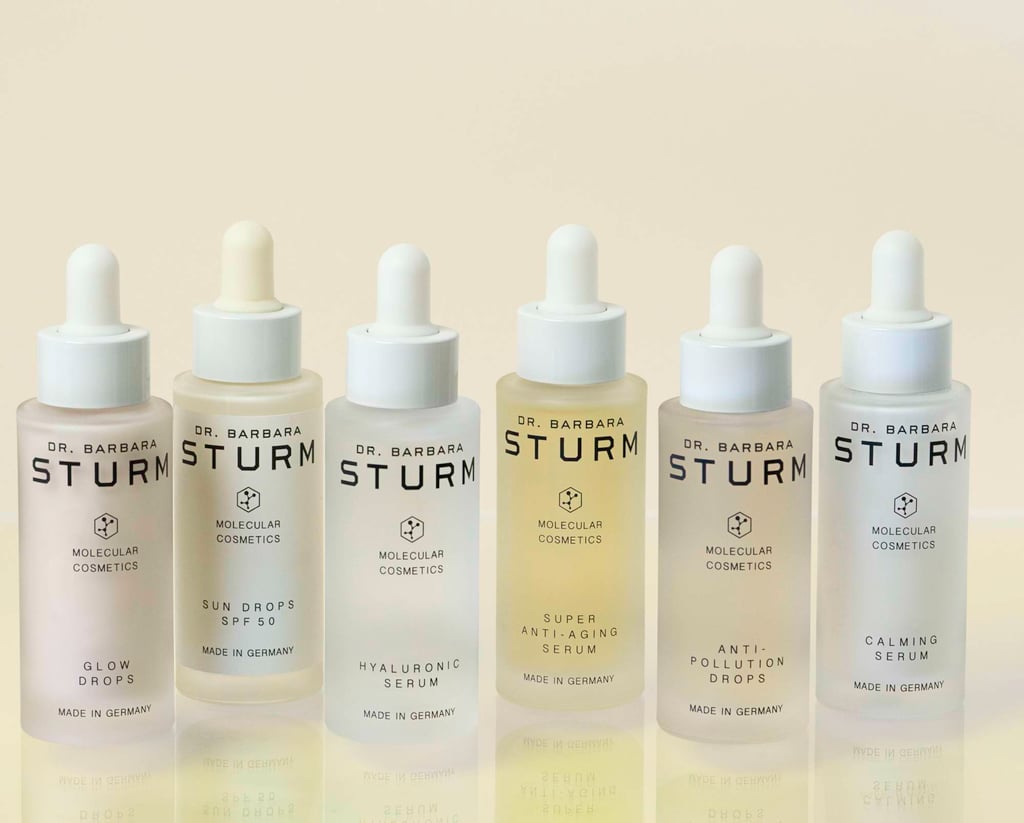
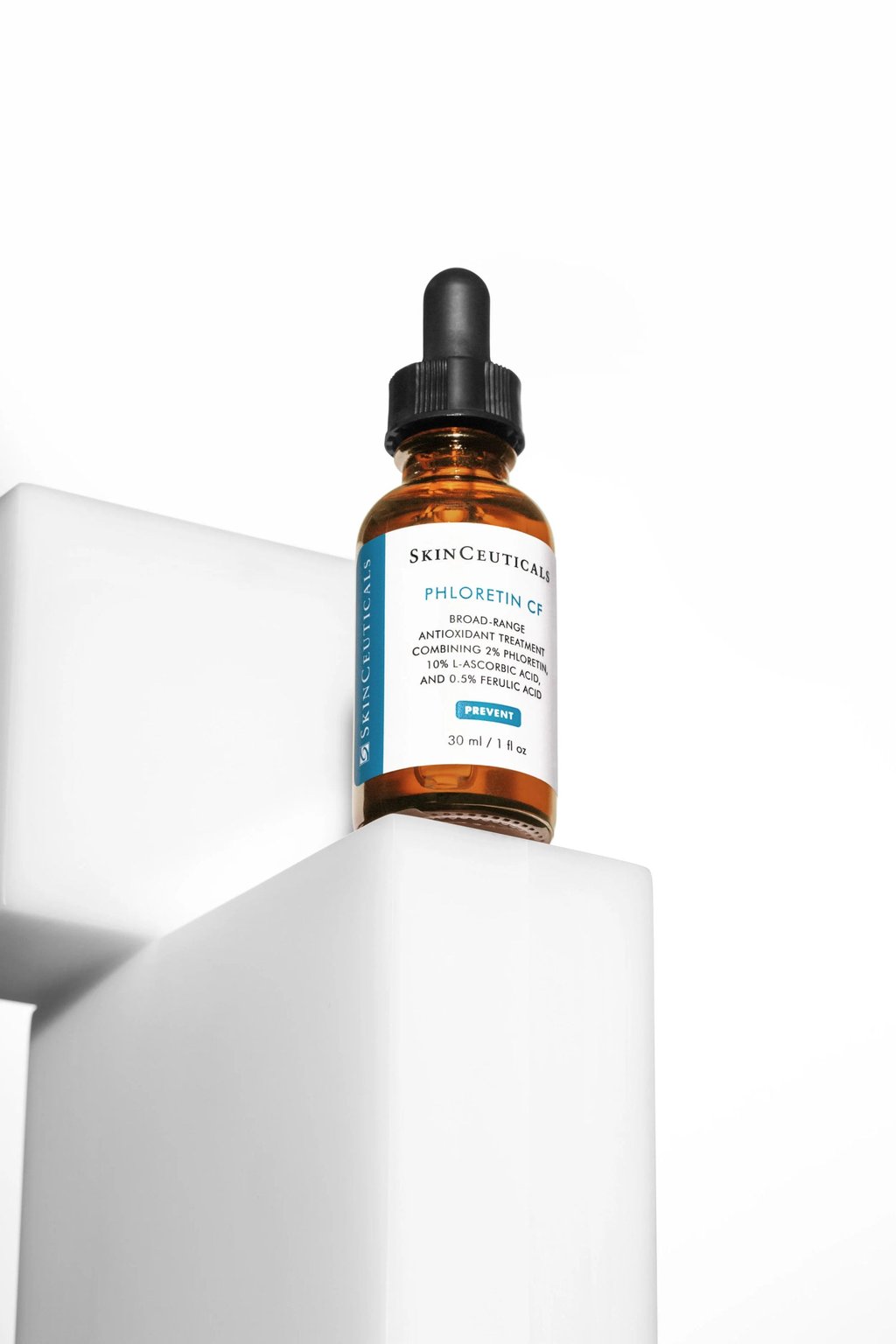
The idea that this silent, micro-level process links irritation and ageing underpins an entire corner of skincare, from Dr. Barbara Sturm’s Molecular Cosmetics to antioxidant-heavy ranges like SkinCeuticals, all built around calming that low-grade inflammatory hum rather than attacking it with harsh “anti-ageing” tactics.
Zoom out, and inflammation stops being just a skin story. Chronic, low-grade inflammation, fuelled by poor sleep, stress, diet and pollution, is linked to everything from metabolic disease to accelerated skin ageing, and the gut/skin axis is now its own field of study. Researchers are even looking at how the gut microbiome and what you eat can dial inflammatory signals up or down in the skin, so your complexion is often responding to internal noise as much as external triggers. In practice, that means your flushed cheeks might have as much to do with your inbox, your dinner and your digestion as with your toner.