What caffeine skincare products really do, from The Ordinary to Rhode

The stimulant penetrates quickly, narrows blood vessels and eases swelling – but results depend on what’s behind your tired-looking eyes
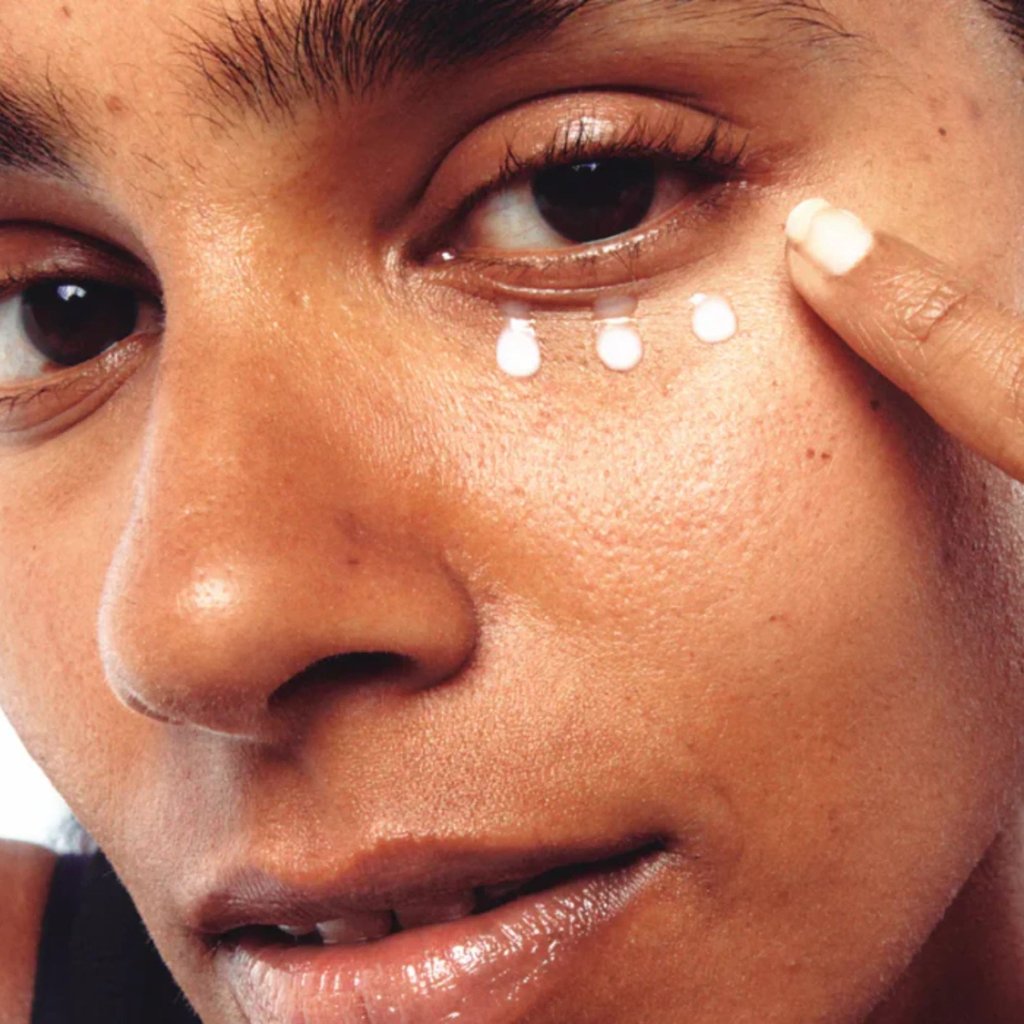
But what is caffeine actually doing when you swipe it on? Ewelina Aiossa, general manager at New Jersey-based Topical Skin, says caffeine’s small molecular size and water solubility mean it “penetrates the skin effectively, reaching the viable epidermis quickly after topical application”. A lot of that absorption, she adds, happens via the follicular route, meaning roughly half of the caffeine applied takes a short cut through hair follicles rather than slowly diffusing through the skin. Once it’s in, caffeine’s most notable effect is vasoconstriction – temporarily narrowing blood vessels and reducing fluid accumulation.

“It also offers antioxidant support, helping calm low-grade inflammation that contributes to puffiness and dullness,” says Melanie Abeyta, nurse practitioner, founder and CEO of Los Angeles’ Harmony Aesthetics Center. But she’s also clear about the limits: “These effects are short-term and cosmetic, not structural. Caffeine improves how skin looks, not how it functions long term,” she says. So while the stimulant can take the edge off fluid-related puffiness, it won’t do much for under-eye bags caused by anatomy, fat pads or genetics.
This is also why caffeine shows up so often in eye products. “The delicate under-eye area is prone to fluid accumulation and puffiness, as well as vascular dark circles,” says Valerie Aparovich, a biochemist, cosmetologist and aesthetician at OnSkin, a cosmetic safety app. The skin here is thinner and more delicate, with less fat to buffer the blood vessels and lymphatics beneath, so even small shifts can show up fast.
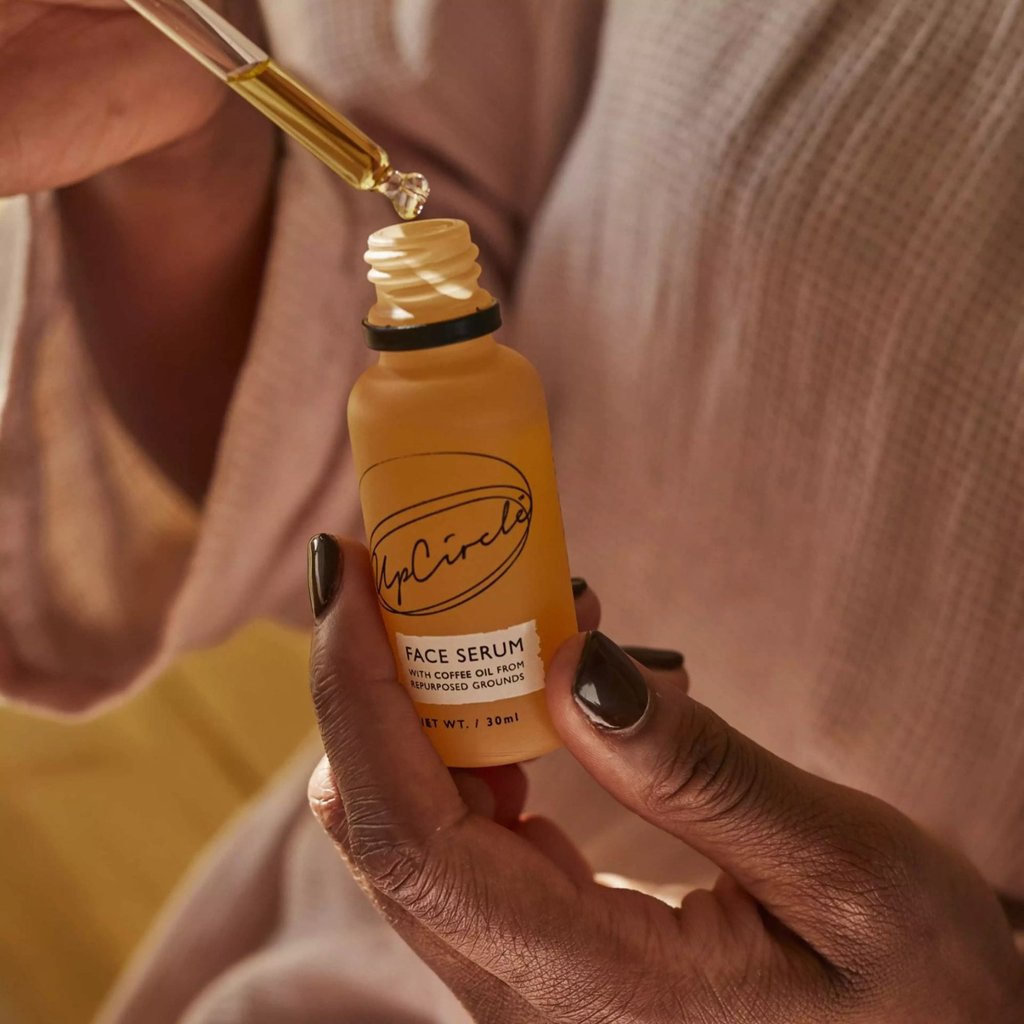
But caffeine’s superpower is also its limitation. “Disappointment happens when people expect caffeine to permanently tighten skin, erase dark circles or replace sleep, hydration and inflammation control,” Abeyta says. “Caffeine wakes up the skin; it does not rebuild it.” Aiossa frames the situation similarly, explaining that caffeine shines in synergy with other ingredients. It can support and enhance a formula, but as a stand-alone hero ingredient, it delivers inconsistent results. Caffeine tends to work best when paired with anything else your eye area actually needs: pigment-targeting brighteners, plus hydration and barrier support, to reduce dullness; collagen-supporting actives to soften structural shadowing; and simple physical tactics like cold or gentle massage for morning puffiness.