What is a full-body scan – and should you get one? Kim Kardashian, Kris Jenner and Paris Hilton think so

Miranda Kerr is another celeb to post about the MRI scans, which can show early signs of potential medical issues – but can also cause unnecessary worry

The appeal is easy to understand. Lie in a machine for an hour – no radiation, no needles – and receive a detailed report on everything from your brain to your pelvis, potentially catching something serious before it has a chance to become catastrophic. Companies like Prenuvo and Ezra, both now with locations in several countries, claim their scans can screen for more than 500 conditions, including tumours, aneurysms and early signs of multiple sclerosis. Prenuvo’s flagship scan starts at around US$2,500. Ezra recently launched what it calls the world’s first 30-minute full-body MRI, powered by FDA-cleared AI. Neither is covered by insurance.
Which raises the obvious question: what exactly are you getting? “A full-body MRI is an anatomical scan that takes detailed pictures of the structures of your body using magnetic fields and radio waves, without radiation exposure,” explains Dr Matthew Potts, clinical director of the Dorsi Spinal Institute. Think of it as like a high-resolution photograph of your insides. “It is very good at showing the size and shape of tissues and organs, so it can sometimes detect larger masses or structural changes that have already grown to a visible size,” Potts says. The flip side of that, he notes, is that “something has to be there at a certain size before MRI can see it, which means it is not automatically ‘early’ detection in the way most people assume”.
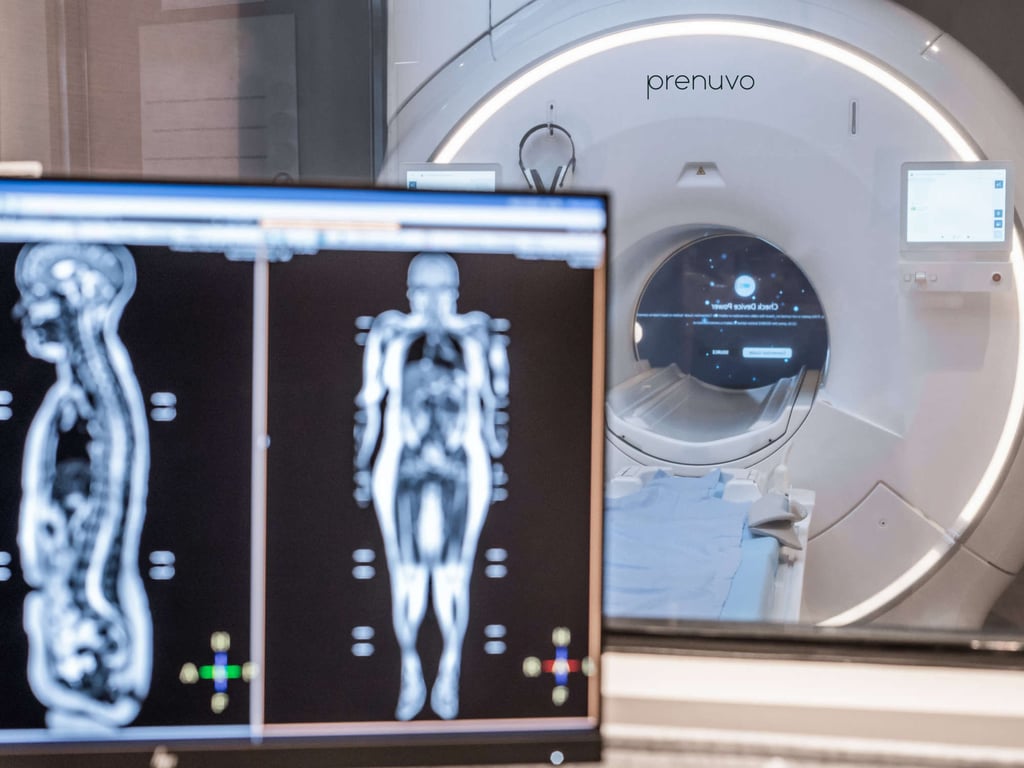
That gap between expectation and reality is worth considering. One thing these scans are quite good at surfacing is what radiologists call incidental findings, or, more evocatively, “incidentalomas”: abnormalities that show up on a scan that weren’t causing any symptoms and, in many cases, never would have. A small cyst on your kidney. A disc bulge in your spine. Findings that are real, but may have no bearing whatsoever on how you feel or how long you live. Potts points out that disc bulges and protrusions appear in 20 to 30 per cent of people with no pain at all, and that knee MRIs in people without symptoms show abnormalities in more than 90 per cent of cases. For a patient reading their report, “abnormal” doesn’t automatically mean something to treat. It can just mean “human”.
There’s also a subtler issue around what it means to scan something versus actually screen for it. MRI safety expert Tobias Gilk explains, “Different settings are used to look for different types of abnormalities. Just because there was imaging of a patient’s heart doesn’t mean that a single imaging pass is equally effective at looking for signs of blockage, tissue damage or a faulty valve.” It’s less a flaw in the technology and more a reminder that breadth and depth aren’t the same thing.
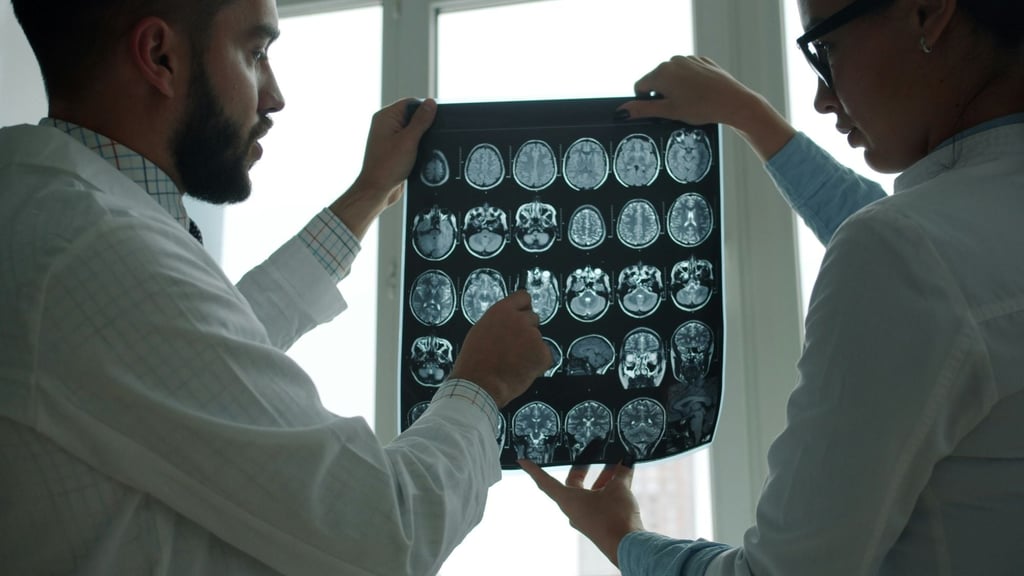
So what can these scans realistically find? Larger soft tissue masses, significant aneurysms, major structural abnormalities in the brain or spine: the kinds of things that have grown to a detectable size without yet producing obvious symptoms. That’s a genuinely meaningful window. Prenuvo says one in 20 of its scans results in a potentially life-saving diagnosis, and there are real stories behind that number. TV host Maria Menounos, for instance, has credited a Prenuvo scan with catching her stage 2 pancreatic cancer.