From muscle to mainstream: protein supplements are shedding their ‘gym bro’ reputation and gaining popularity among women, with Addison Rae, Khloé Kardashian and Venus Williams all launching lines

From Rae’s Vital Proteins and Williams’ Happy Viking lines, to Kardashian’s Khloud Protein Popcorn, celebrities are increasingly targeting female consumers with protein-enriched products
For women, the message was loud and clear: be smaller. But then something shifted. These days, beauty and wellness aren’t so much about squeezing into your smallest jeans as they are about having energy, feeling strong and being well nourished. Vitality has replaced thinness as the end goal – and protein, once the gym bro’s go-to, is taking centre stage, not for what it can take away, but for everything it gives.
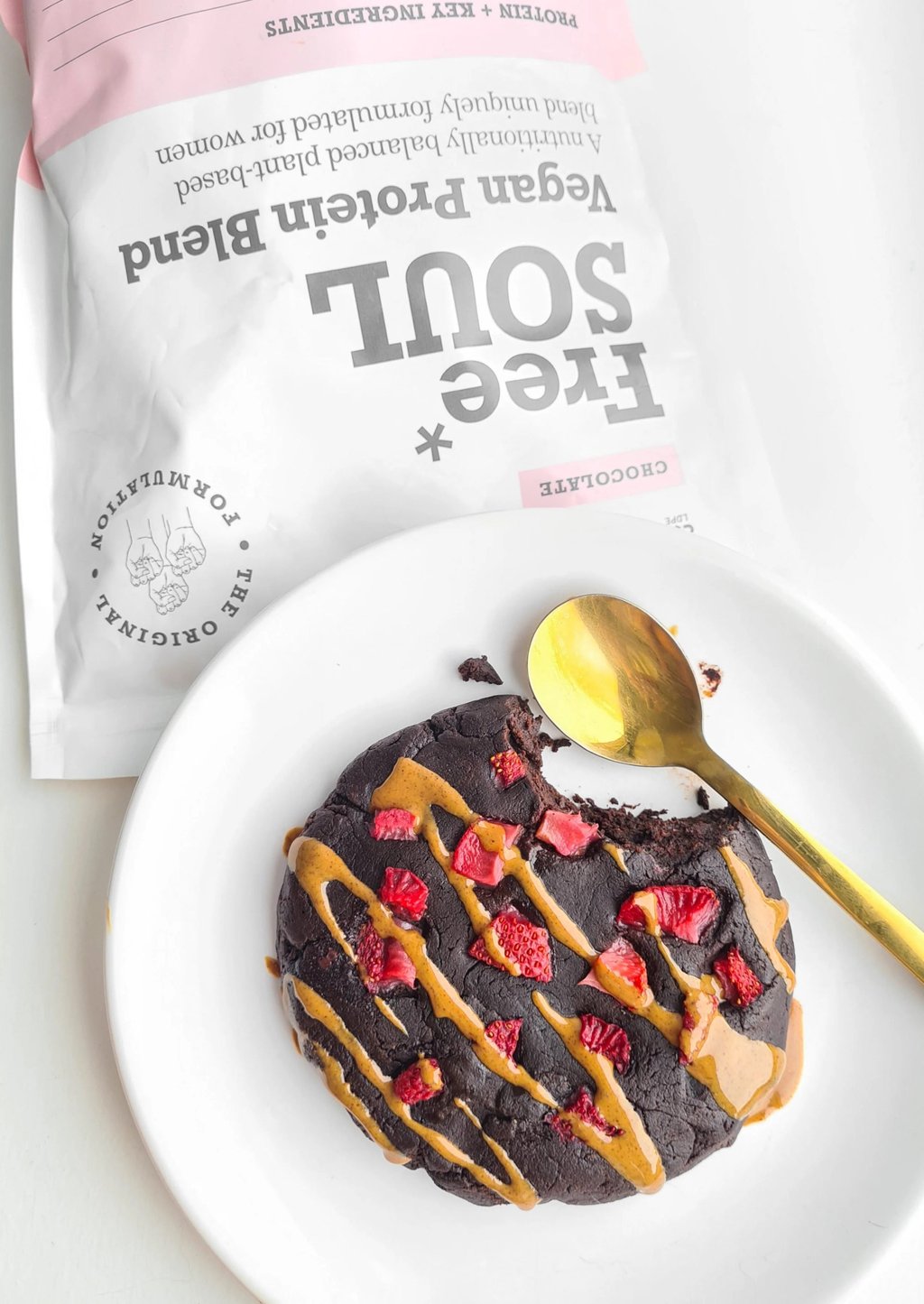
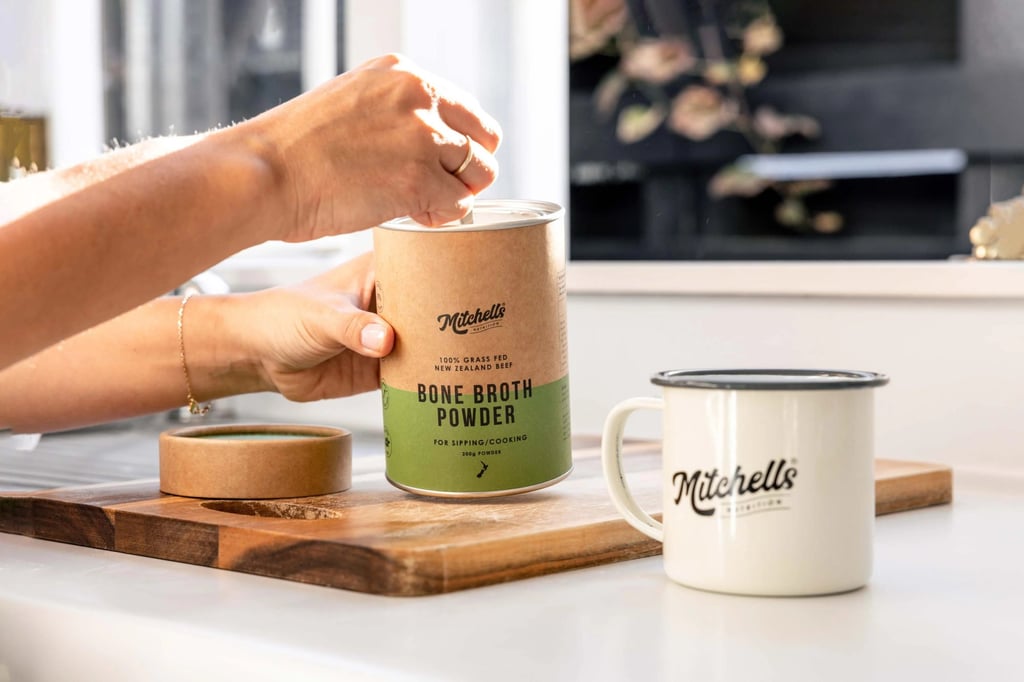
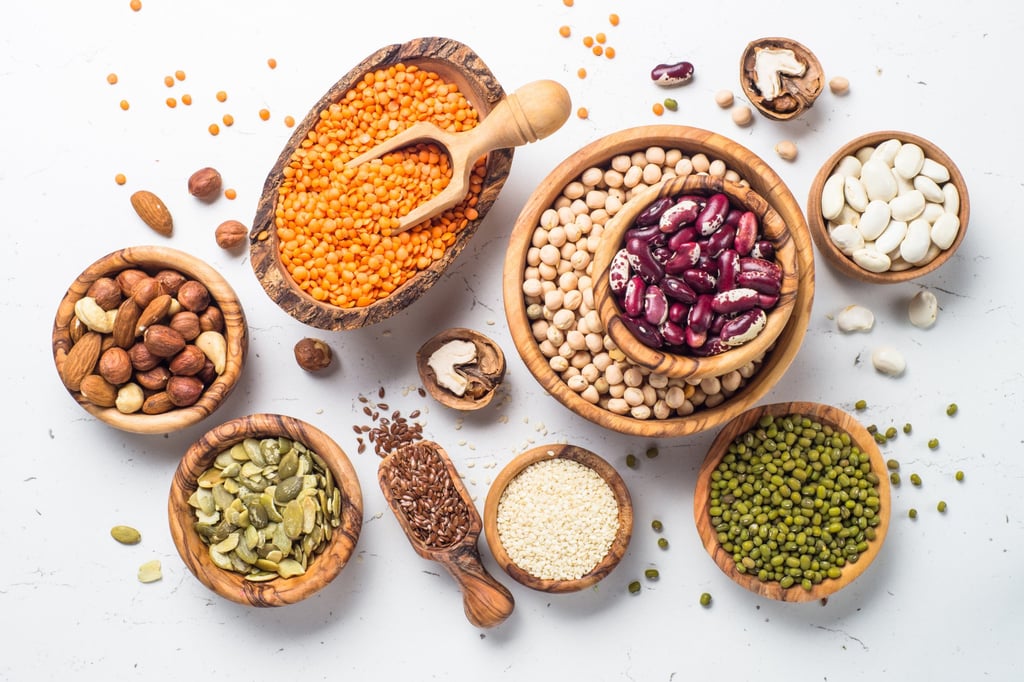
Regardless of where it comes from – plant, animal or something in between – protein’s role in the body is non-negotiable. “Protein is an essential nutrient needed to repair tissue, build new cells, support the immune system, and for the production of enzymes and hormones essential for many body processes,” explains Shelley Balls, a registered dietitian nutritionist at Flawless Bloom in Utah. And that need only grows during hormonal shifts. “Even more during perimenopause and menopause as oestrogen levels drop,” she adds. But it’s not just about muscles and maintenance: your brain is in on the action too. Since amino acids are key to neurotransmitter production, “a balanced diet with adequate protein promotes cognitive function, including learning, memory and problem-solving,” Balls says.
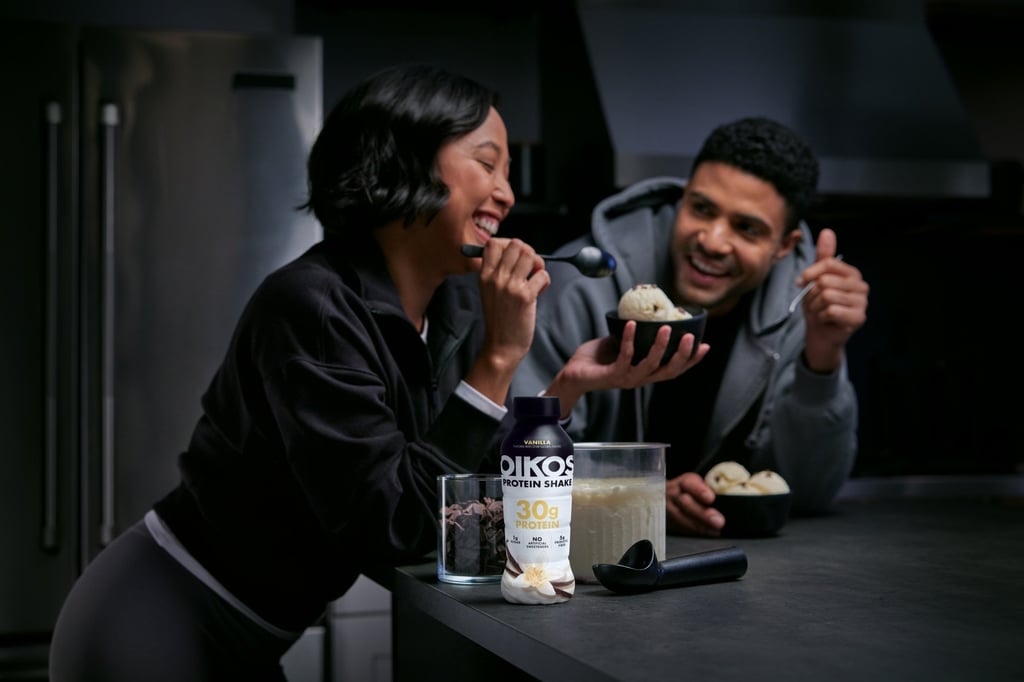
Of course, it didn’t take long for the market to catch up. The age of oversized tubs and generic formulas has made way for smarter and more tailored offerings.
Rebecca Williams, a London-based registered nutritionist and head of nutrition at plant-based meal food brand Huel, says this mindset shift is showing up clearly in how women use protein today. The company’s meals are designed with that in mind, she adds, “with each serving containing between 20 and 40 grams of protein, qualifying them as high-protein meals”. But Williams is quick to add that it’s not just about the numbers. “Huel is also designed to offer complete nutrition, not just protein,” she explains. With all the meals delivering essential fats, carbs, fibre as well as a full spectrum of vitamins and minerals, Williams notes that their composition is less about boosting macronutrients, and more about streamlining nutrition to support steady energy and lasting fullness.