What to know before using body retinol cream here, there and everywhere

Retinol’s skincare benefits can extend beyond the face to the body – we hear from the experts on how to maximise the good while minimising potential side effects
These days, more body products are giving retinol top billing. If it works above the neck, why not elsewhere? But before you start slathering it on, it’s worth knowing what you can expect, and when too much can backfire.

The rise in body retinol isn’t just a clever marketing ploy. “Retinol has been trusted in dermatology for decades, and there is clinical data showing that it can improve skin texture, refine pores and boost collagen production,” says Dr Gail Humble, geneticist and founder of Klotho Skin, an anti-ageing skincare brand. “When used consistently over time, it can help with fine lines, uneven tone and early sun damage on the body.” And that’s just the beginning. Used correctly, it can soften the look of stretch marks, smooth keratosis pilaris (those tiny, stubborn bumps often found on the upper arms) and even help with body acne.
While facial retinol can produce a glow in mere weeks, however, the body tends to play a longer game. Humble cautions that expectations should be grounded in reality: “For concerns like significant skin laxity, cellulite or deeper stretch marks, topical retinol alone is unlikely to deliver a visible change, and in-clinic treatments may be more effective.”
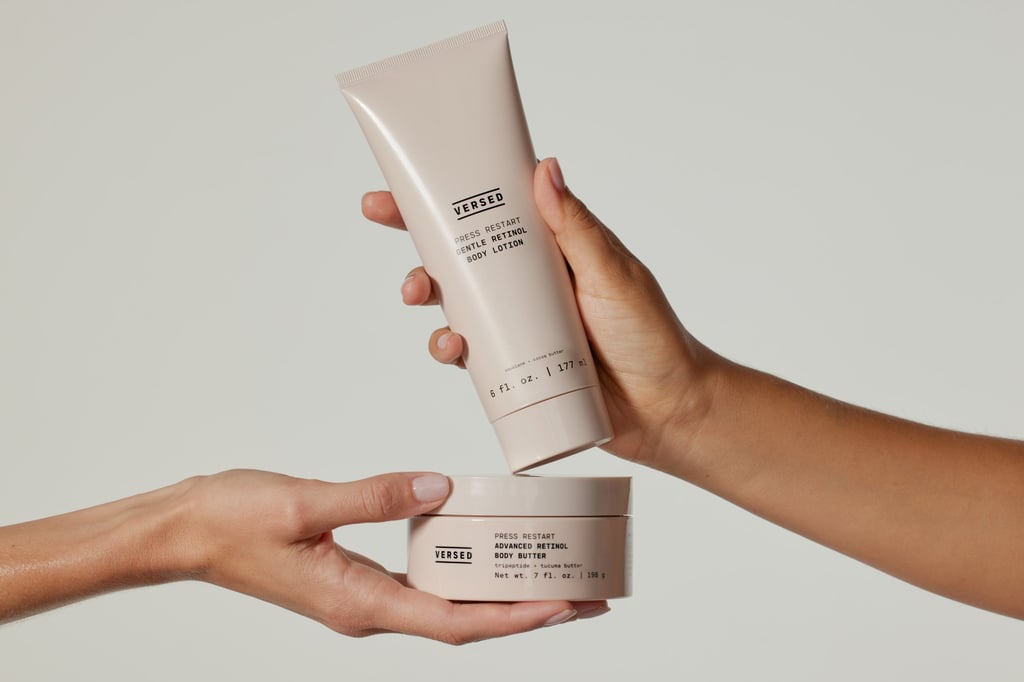
And while you might be tempted to apply it head to toe in one go, some spots are simply more responsive. Texture is usually the first to improve, with rough patches giving way to smoother skin before tone and firmness catch up. But areas with thicker or more lax skin, “such as the thighs or upper arms post-weight loss, will always be challenging for any topical to meaningfully lift or tighten”, Humble adds.
Valerie Aparovich, certified cosmetologist-aesthetician at skincare product scanner app OnSkin, explains that the skin on your body isn’t simply “more of the same” as on your face. It’s thicker in some areas, like your back, and thinner and more delicate in others, like your chest and inner arms. “Additionally,” she cautions, “the skin on the body contains fewer oil-producing sebaceous glands, and reduced oil production means body skin is less able to moisturise itself naturally, increasing the risk of dryness.”
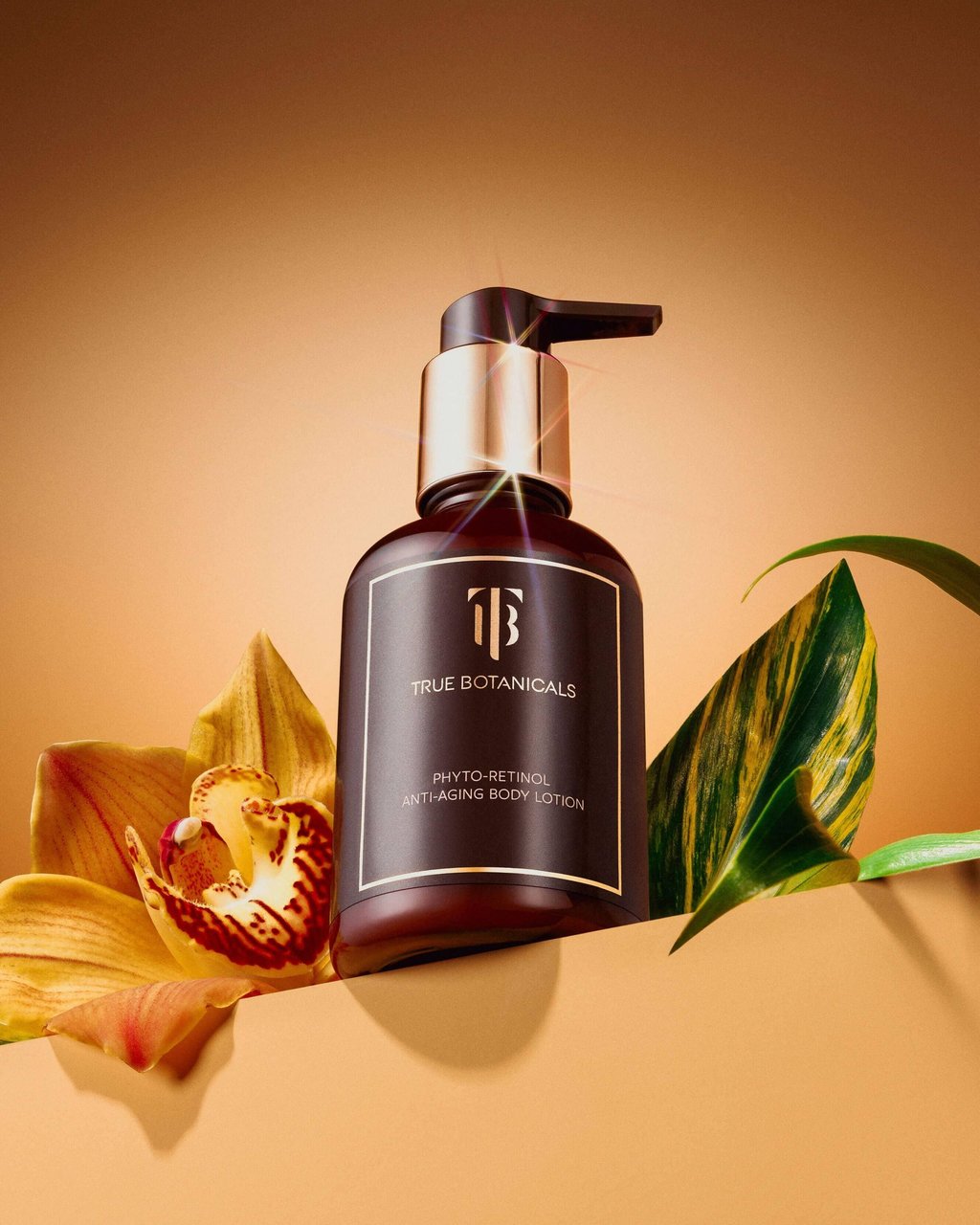
That’s why most body formulas keep their retinol concentrations lower (often 0.05 to 0.1 per cent). “Applying retinol to large areas increases the total amount of vitamin A derivatives absorbed, raising the risk of irritation from ‘overdosing’,” Aparovich adds.