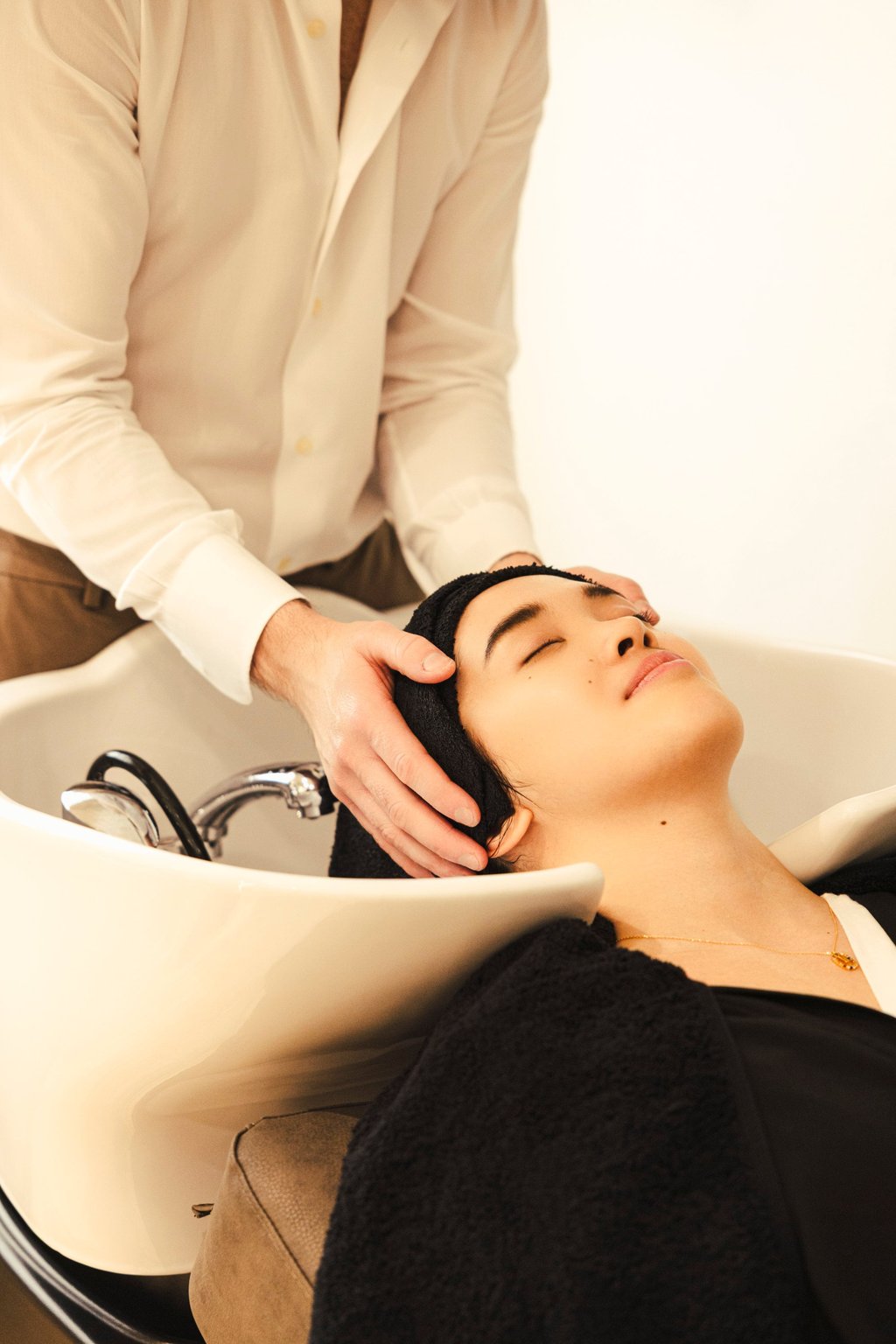
How to get frizz-free summer hair: watch what products you use on both your hair and scalp

Humid summers can spell trouble for your hair – clamp down on frizz by paying close attention to hair health, starting with your products
There are many things to love about summer hair: the textured, effortless waves created after taking a dip in the ocean; natural, golden highlights from the sun; and the chance to sport chic headgear like headbands or silk scarves. There is one look, though, that isn’t so desirable: frizzy, unruly hair.
Summer frizz isn’t exactly a new phenomenon and is often connected to environmental factors like rising humidity.
“During the summer months there is more water in the air. This excess moisture is absorbed by the hair, breaking its natural hydrogen bonds and causing frizz. It can also cause the hair shaft to swell and the outer cuticle layer to lift, reshaping the hair into different forms and shapes,” explains trichologist Andrea Clark.
While humidity tends to get the blame for frizz, it isn’t the only factor to consider. Experts acknowledge the role that scalp or hair health – especially when dry and stressed – plays in creating the perfect environment for frizz. In which case, it can be more of a year-round problem for many women.
“Frizz usually comes from a mix of cuticle damage, dry scalp, friction and using the wrong hair products,” says Brenda Wong, founder of Beyorg Organic Hair Studio, which specialises in natural, chemical-free hair care and treatments. “Humidity may trigger it, but bad everyday habits such as heat styling, chemical colouring, harsh washing and rough towel-drying can damage the hair’s protective outer layer and make frizzy hair worse without people realising it.”
Contrary to popular belief, almost all hair types can experience frizz, although dry, curly and textured hair are more prone due to their lack of moisture. Colour-treated and bleached hair are also at risk as chemical processes can lift the protective outer cuticle, making hair highly porous and reactive.
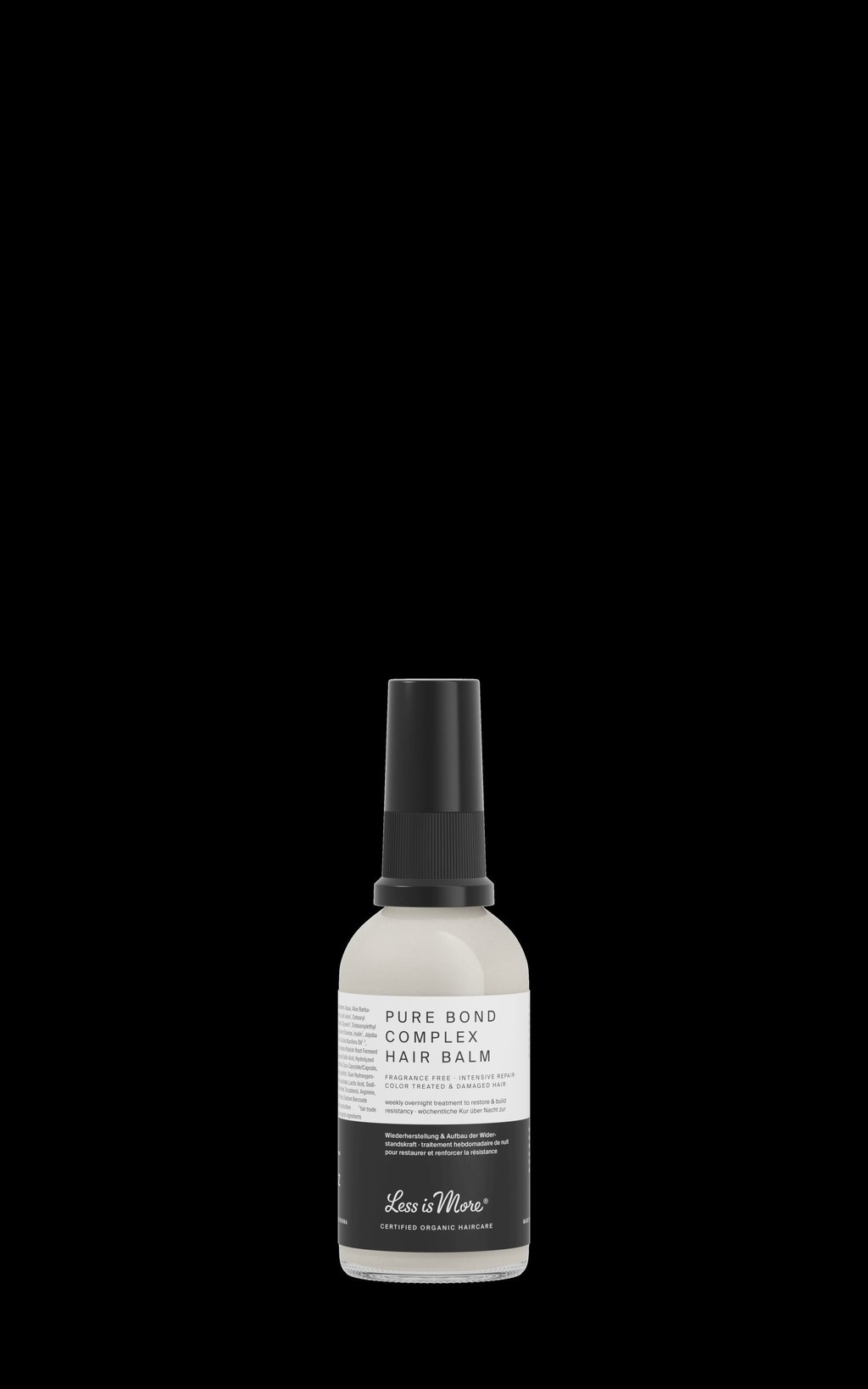
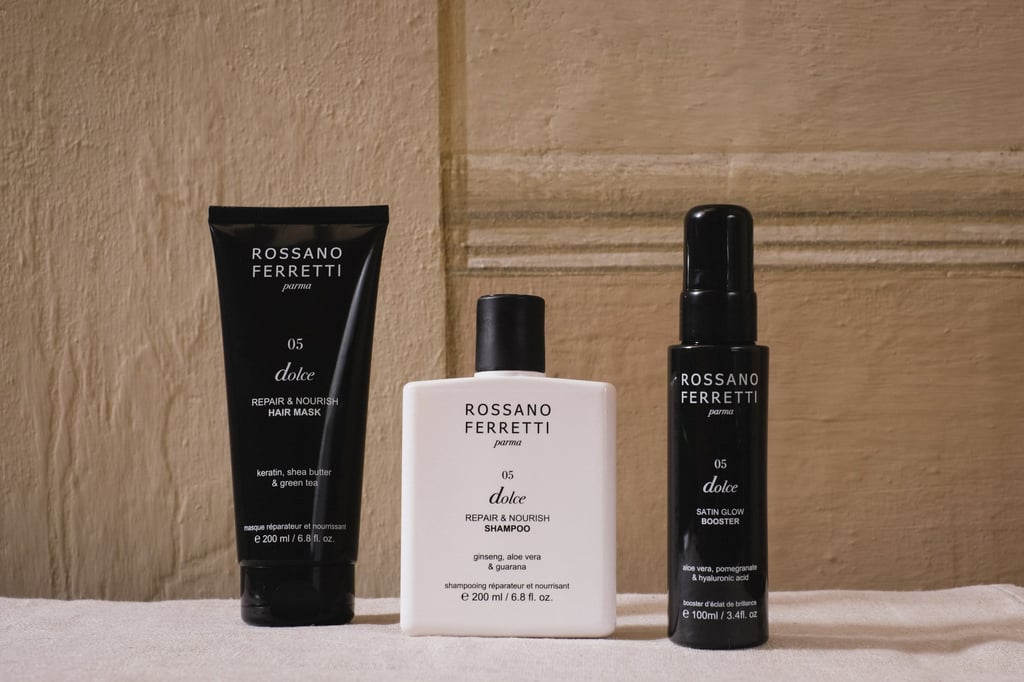
“There are many methods to treat frizz, but I always suggest that my clients start with their hair health. It’s important to renourish the hair and make it as healthy as possible, especially in the area closest to the cuticle. The best way to support this is a mix of products and a consistent hair regimen,” says Clark.