Advertisement
Advertisement
Advertisement
Luxury

Four things you didn’t know about cultural appropriation in fashion

STORYJeena Sharma
Cultural appropriation by luxury fashion brands has sparked debate, and an exchange founded on equality could settle the controversy
Fashion

Cultural appropriation by luxury fashion brands has sparked debate, and an exchange founded on equality could settle the controversy

Cultural appropriation or “misappropriation” is when a dominant culture adapts elements from a marginalised culture and uses it outside the original culture’s context – often without credit or against the wishes of the said culture. Given the heavy dialogue around the subject today, the meaning is often lost, which can benefit or harm a high-end business. Here’s what you might not know about the debate:

1. After several complaints and appeals from indigenous communities, the United Nations is set to elaborately discuss making cultural appropriation in fashion officially illegal.

Advertisement

2. The first known instance of cultural appropriation in fashion dates back to the 17th century when the forerunner to the three-piece suit was appropriated from the traditional dress of Eastern European and Islamic cultures.
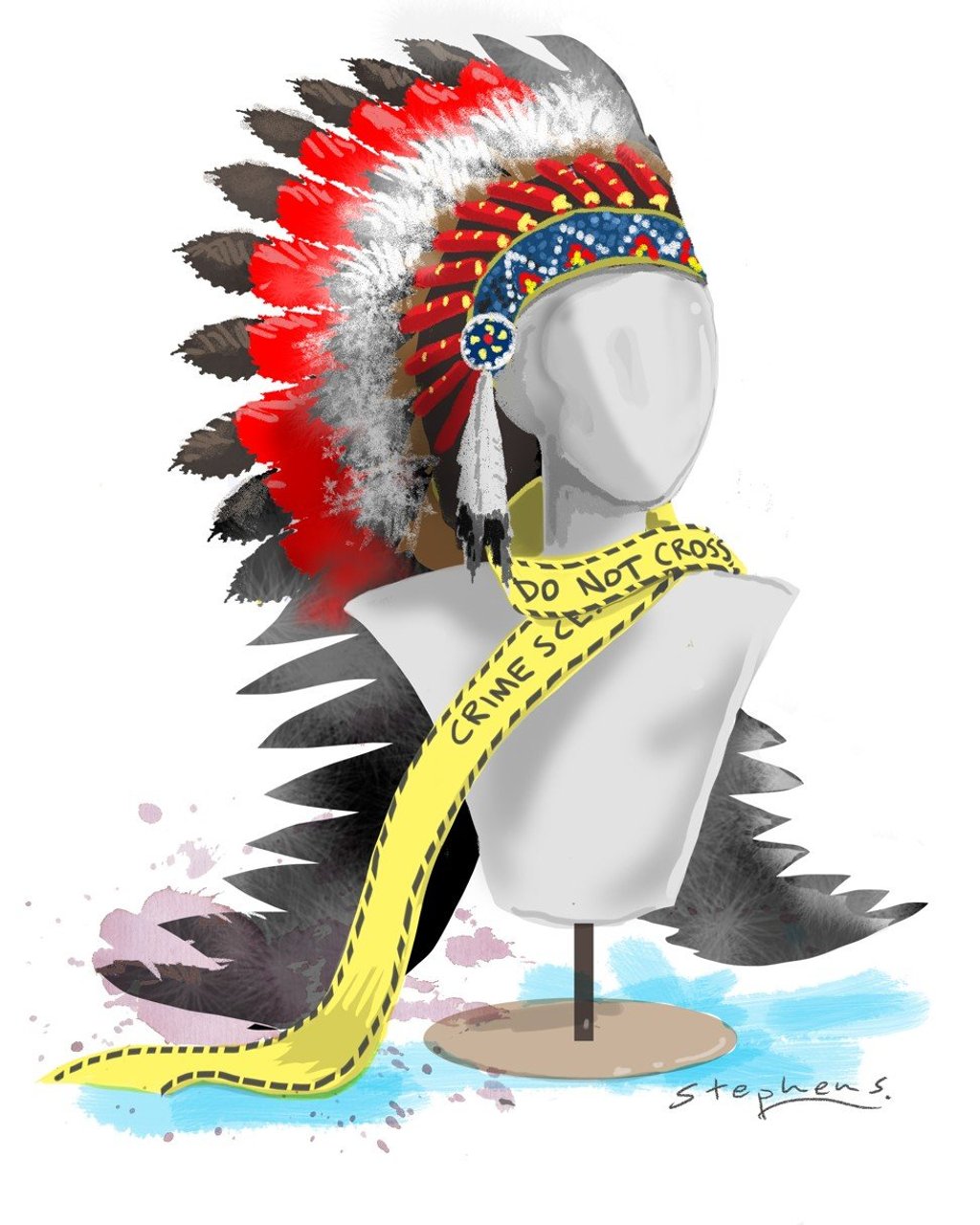
Has cultural appropriation among fashion houses gone too far? Illustration: Craig Stephens

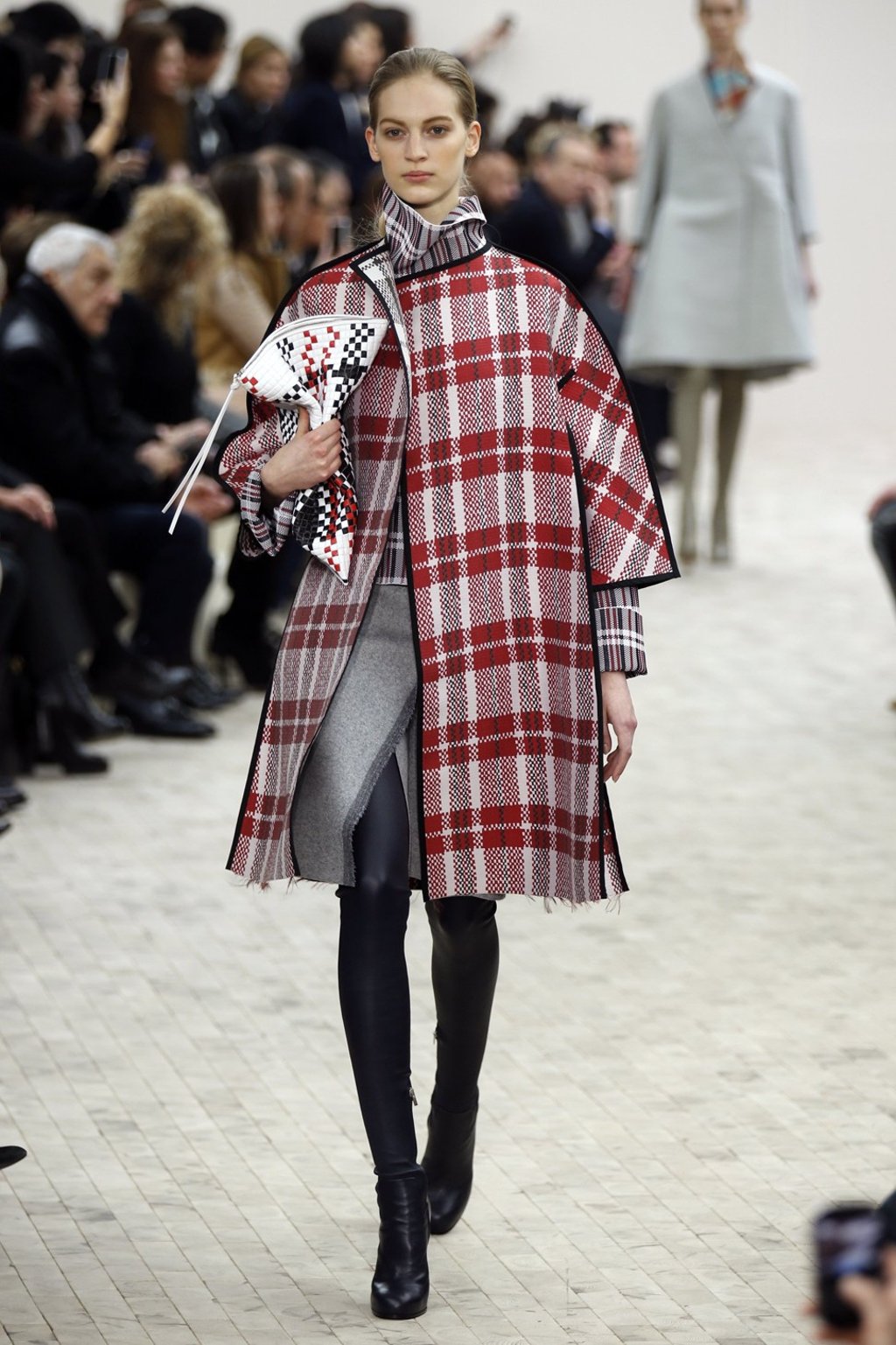
3. In their autumn 2013 collections, brands such as Céline and Stella McCartney debuted a highly controversial trend featuring graphic plaid prints. The trend was later dubbed as “Chinatown chic” – also known as “migrant worker chic” – and heavily called out for misappropriating working class migrants in China and Asian street cultures.
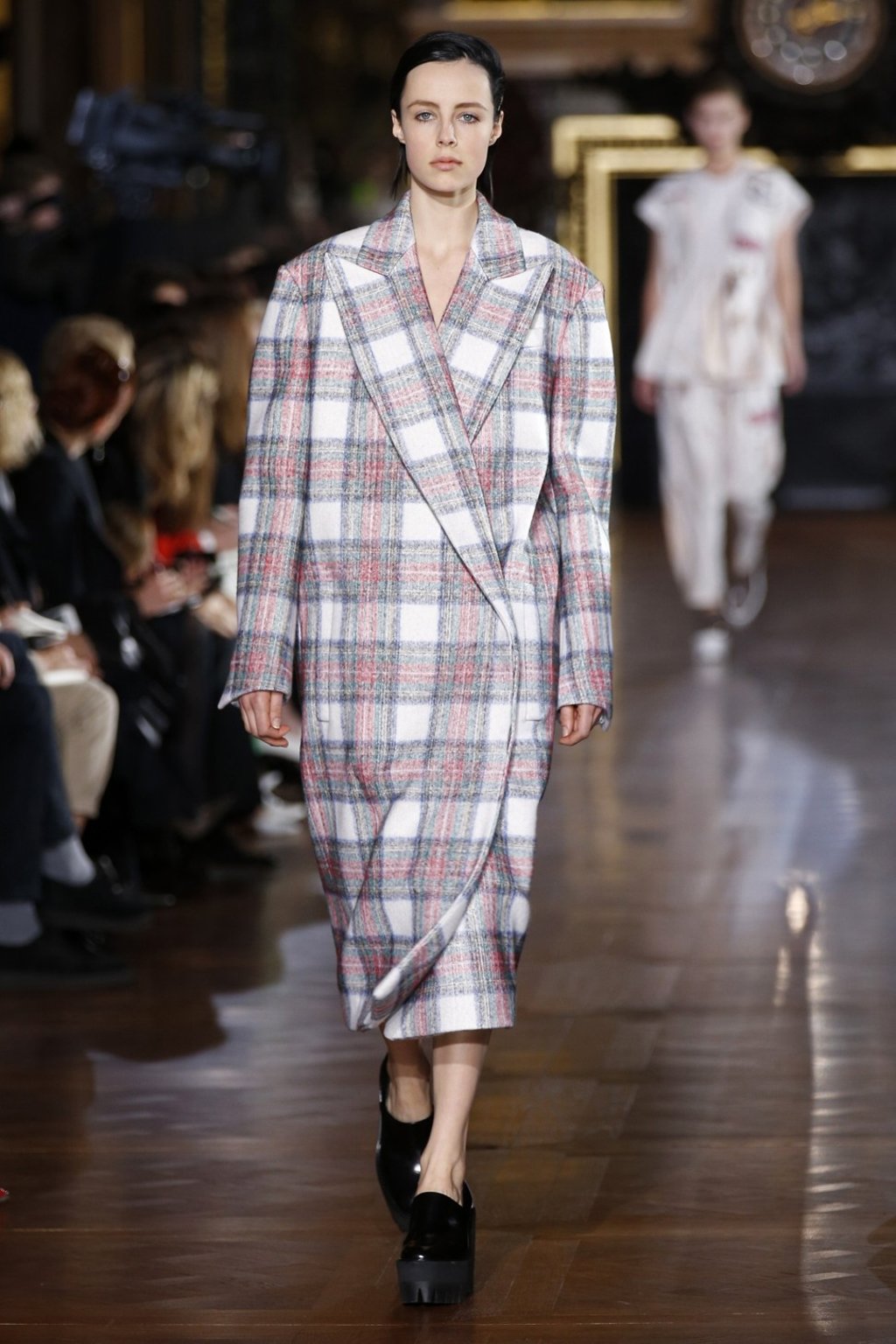
A model presents a creation by British designer Stella McCartney as part of her autumn/winter 2013/2014 women's ready-to-wear fashion show during Paris fashion week. Photo: REUTERS
A model presents a creation by British designer Phoebe Philo for fashion house Celine as part of her autumn/winter 2013/2014 women's ready-to-wear fashion show during Paris fashion week. Photo: REUTERS
Select Voice
Choose your listening speed
Get through articles 2x faster
1.25x
250 WPM
Slow
Average
Fast
1.25x