From lingerie to lip gloss: why Chinese investors are buying into the global luxury sector

Chinese firms have been putting their money into the global fashion market, becoming majority stakeholders in brands like Wolford, Lanvin, Bally, Buccellati and others
Amid the plethora of brands showcasing their collections at New York Fashion Week in September, Tmall’s “China Day” offered shoppers, buyers and investors a chance to snatch emerging Chinese labels Particle Fever and Angela Chen. This is the e-commerce giant’s second season at NYFW and part of its plan to expand Chinese labels’ global reach through designer-buyer and e-commerce collaborations.
Chinese investors are also ramping up their acquisitions of international luxury brands following a lull during Beijing’s clampdown on investment flows.
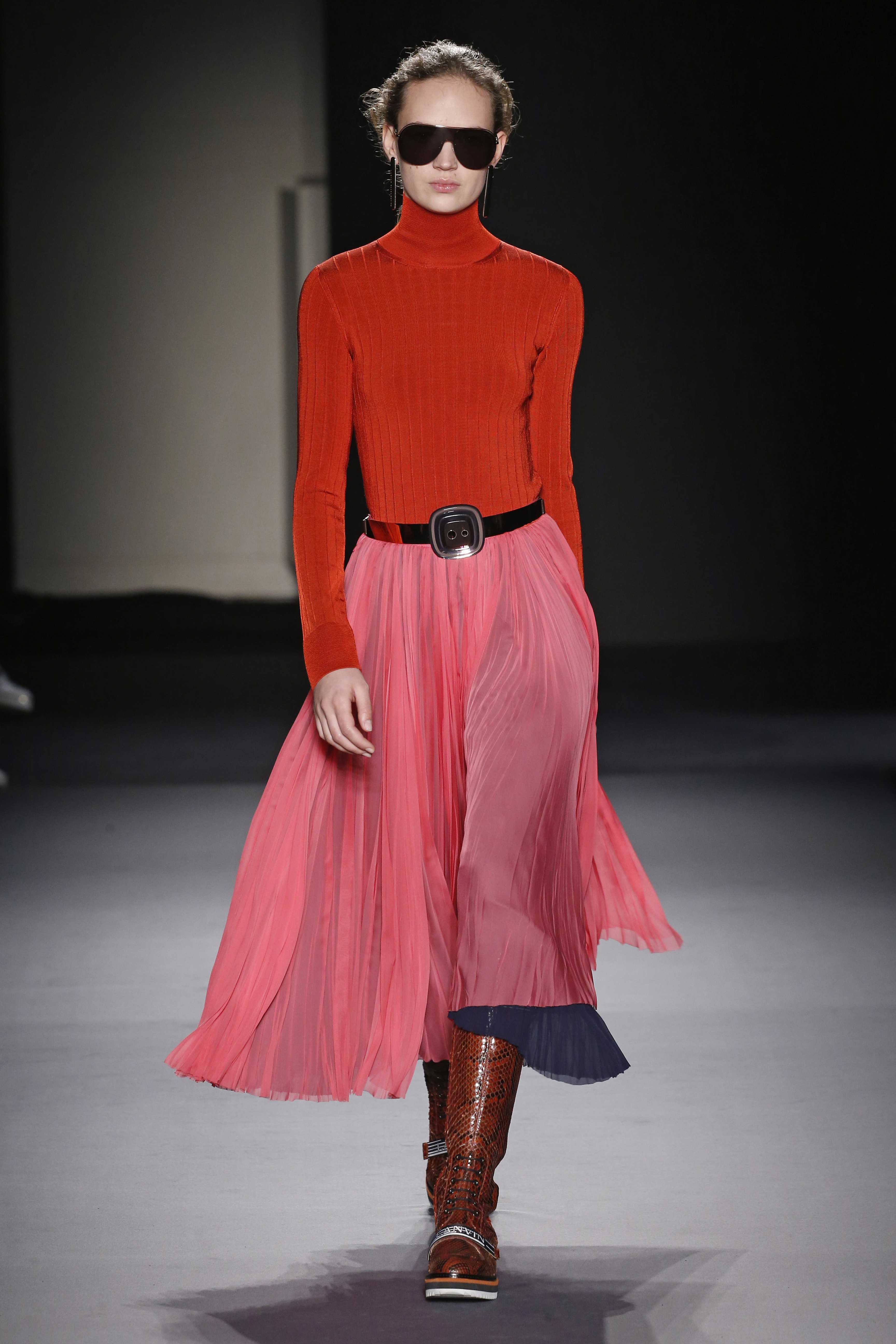
Fosun became a majority stakeholder in flailing French luxury lingerie brand Wolford this year for a whopping €55 million (US$63.1 million). The Chinese luxury conglomerate, which also owns French leisure group Club Med, has bought a controlling share in France’s oldest couture label, Lanvin. Fosun also holds stakes in high-end Italian menswear label Caruso and US knitwear firm St. John Knits.
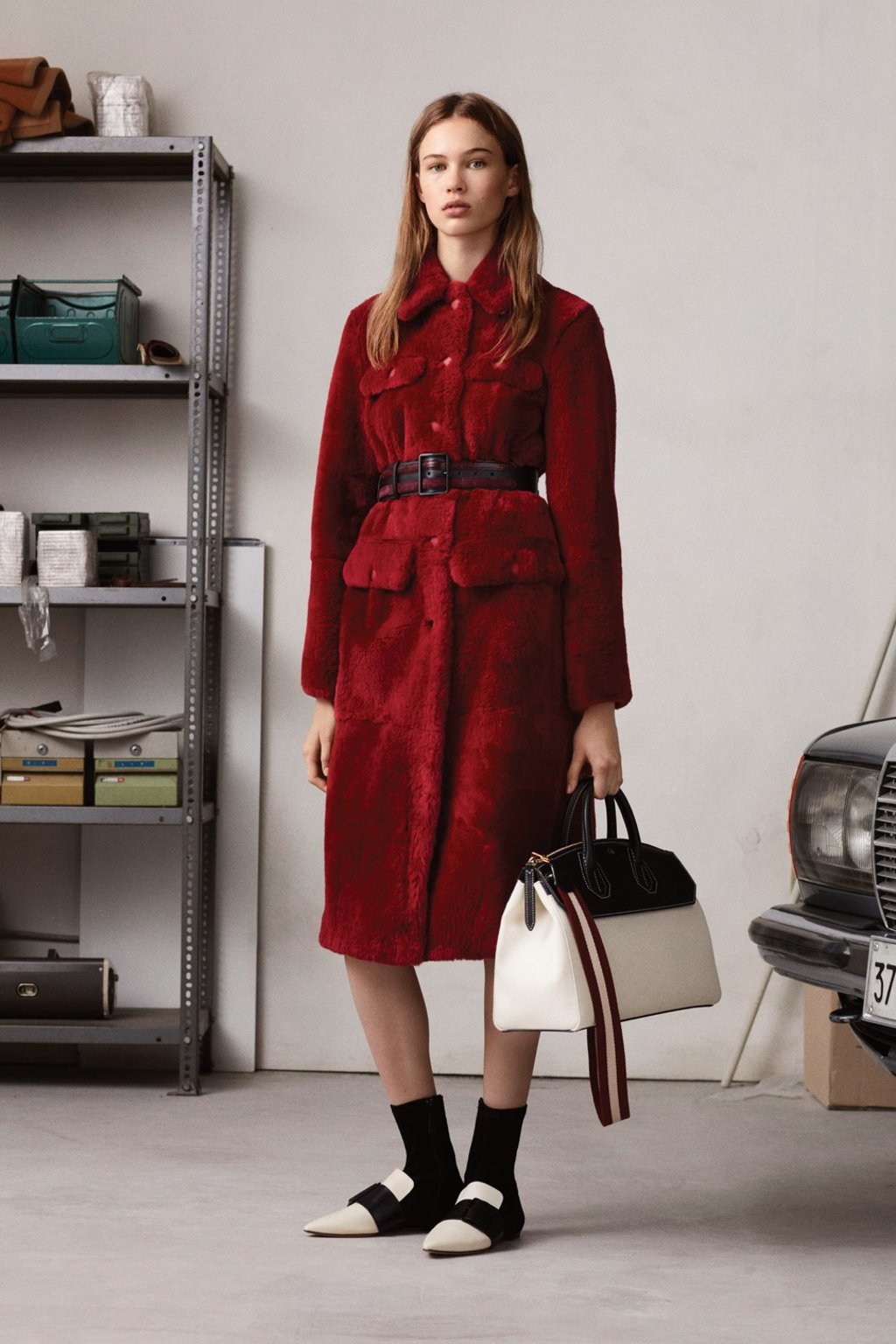
The firm’s procurements are rivalled only by mainland Chinese textile and apparel producer Shandong Ruyi Group which claimed a controlling share in Bally. The Swiss luxury brand joins an impressive international portfolio that includes French fashion group SMCP and British trench coat maker Aquascutum.
Chinese conglomerate Gansu Gangtai Holding has taken an 85 per cent stake in the high jewellery Italian house Buccellati. Some of the most prestigious luxury brands in the world today derive a significant share of their revenue from the Asia-Pacific, with the greatest share in China.
With a rise in discretionary income and a burgeoning middle class, China is reaffirming its grip on the global fashion market. Walkthechat’s latest China Luxury Report says Chinese shoppers represent 32 per cent of the global luxury industry. This is expected to rise to 44 per cent in 2020. China’s mounting economic power is also reflected in other fashion areas, with Chinese models making up a chunk of the international runways and local bloggers and influencers occupying the front row at Milan and Paris fashion weeks.
With many heritage European and American luxury brands mired in a slump, the world’s second largest economy offers hope for financial recovery. Little wonder brands want to charm that consumer base. While this influx of money has helped boost the luxury market in China, there are other factors at play encouraging local investors’ interest in heritage European and American brands.