Style Edit: How Yves Salomon became the A-list approved face of ethical fur – Rihanna, Katie Holmes and Bella Hadid are fans of the French luxury fashion brand’s upcycled offcuts

- The label has long been associated with fashion houses from Mugler, Azzedine Alaïa, Jean-Louis Scherrer and Nina Ricci, to luxury behomeths Dior and Louis Vuitton
- The brand’s fur products now carry a Furmark tag, which guarantees that stringent animal welfare and environmental standards have been followed
It’s often a rarity for legacy fashion houses to pivot and adapt to the zeitgeist, but Yves Salomon stands out as testament to the power of innovation within tradition.
Over the past decade, the French luxury fashion brand has somehow managed to do the impossible: balance opulence and extravagance with ethical practices. In the process, this maison has become something of a paradox – a beacon of both sophistication and social responsibility, firmly dispelling the notion that these two ideals cannot coexist.
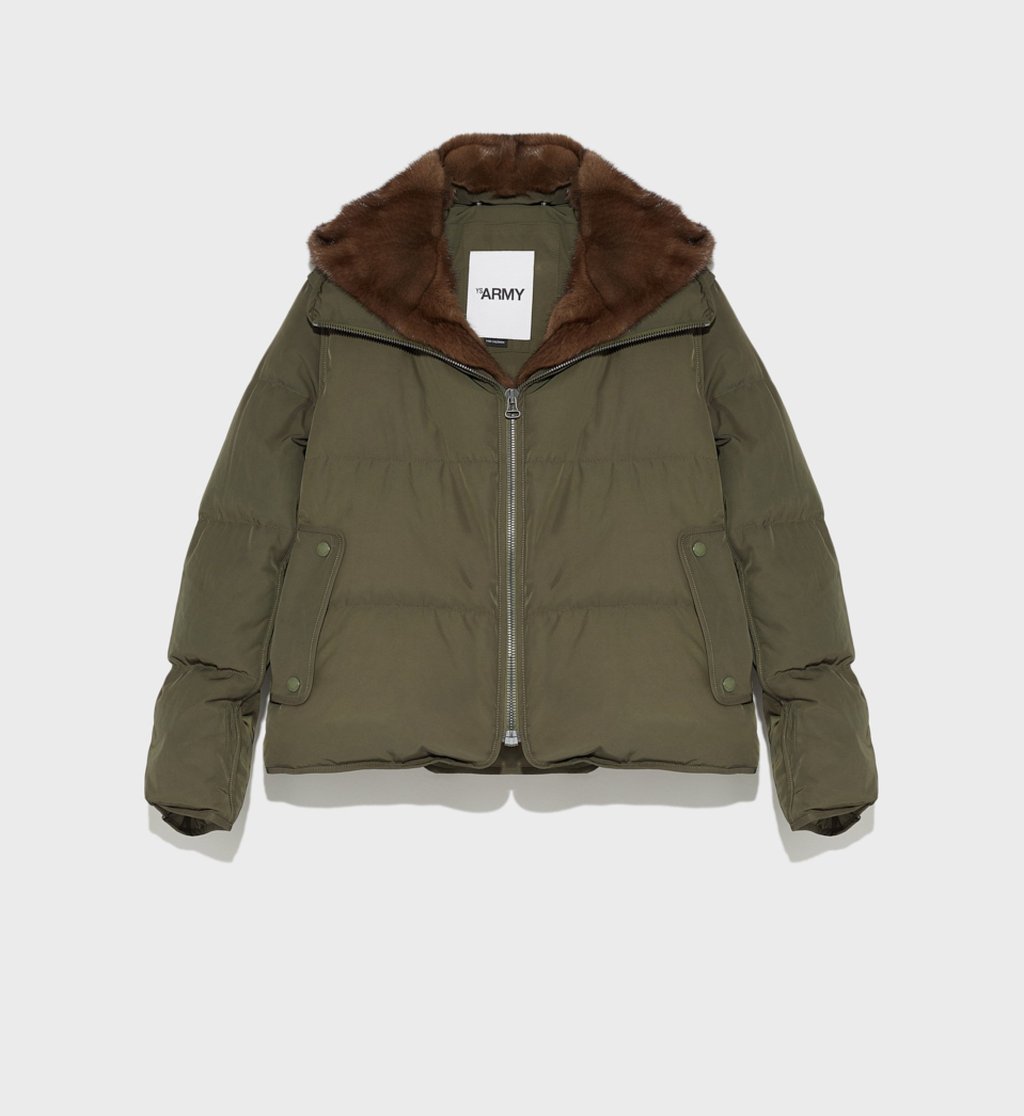
Founded in the 1920s by Gregory Salomon, the Paris-born brand has a long-standing history in the fur industry, establishing itself as one of the leading names in luxury outerwear. The label has long been associated with the finest fashion houses and designers, including Mugler, Azzedine Alaïa, Jean-Louis Scherrer, Nina Ricci, Dior and Louis Vuitton.
Now helmed by the third and fourth generations of the Salomon family, the company has evolved into a more contemporary organisation that resonates with the modern consumer’s conscience.

Committed to sustainability, in 2018, Yves Salomon introduced a recycled initiative, crafting coats exclusively from fur offcuts and reclaimed materials. Simultaneously, the brand has revamped its guiding principles to focus on traceability and environmental responsibility. This involves boycotting non-compliant fur farms, offering full transparency in its supply chain, and collaborating with small traditional communities for whom fur is an essential livelihood.
The brand’s fur items now come with a Furmark tag, which serves as a seal of approval that guarantees stringent animal welfare and environmental standards have been met. That kind of nuanced approach has allowed the brand to stay rooted in the fur industry, while also mitigating its environmental footprint.
