Maria Grazia Chiuri on her Fendi debut, Karl Lagerfeld and social media – in her own words

Chiuri was at Valentino and Dior before returning to Fendi, where she worked in the 1990s – she just made her debut as chief creative officer for the brand at Milan Fashion Week
Chiuri, who worked at Fendi in the 1990s, rejoined the brand last year after very successful stints at another Roman house, Valentino, and later at Dior in Paris.
Here are some highlights from the conversation – from learning the ropes of the trade at Fendi as a young designer to her love for her hometown of Rome and her gripes with today’s social media landscape.
On her return to Fendi
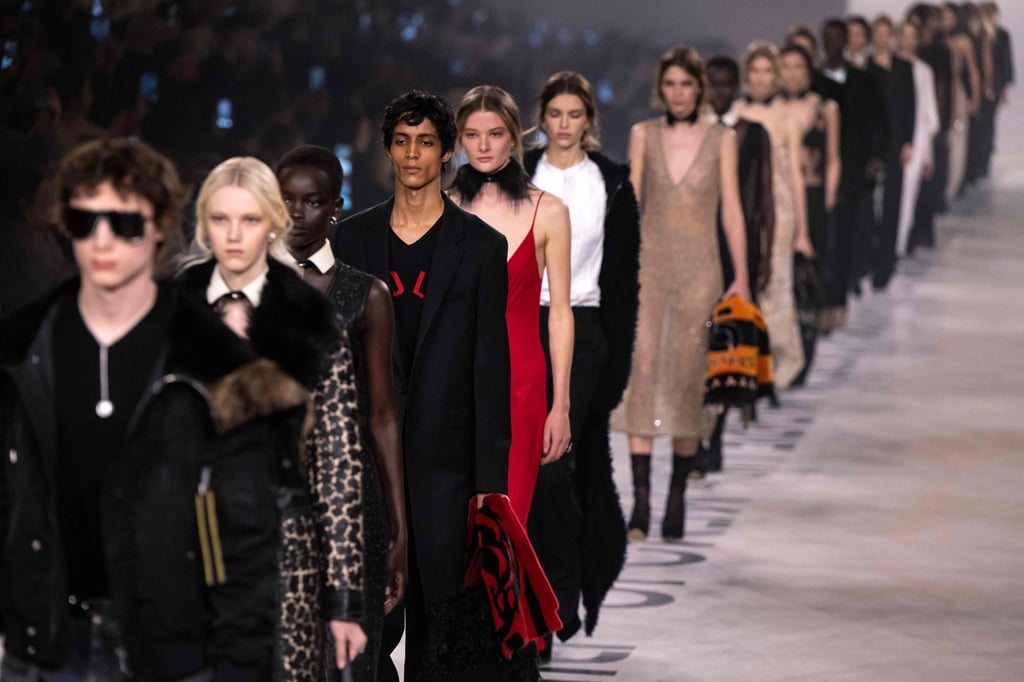
It’s a great responsibility because it’s at Fendi where I really trained as a designer. I had worked at other companies before Fendi, but they were small and I learned so much at Fendi. I never thought I would join the house in this capacity one day. After I graduated, I didn’t even think I was going to have a career in fashion, and now I feel I have to give back [after] all that I learned here from the five sisters.
On the Fendi sisters, the direct descendants of the founders, who ran Fendi for decades and hired Karl Lagerfeld
There were always exchanges in the design studio. The Fendi sisters really believed in creativity. Think about it: they hired an unknown designer, Karl Lagerfeld, who wasn’t Italian and spoke German, French and English, and that wasn’t common in Rome in those days. They loved to engage in all these creative exchanges, also with the team. Even if you were a young graduate with no experience who had just joined the company, you always felt comfortable proposing your ideas and never felt judged. There was an openness that was very rare back then and is unimaginable nowadays with so many divisions and so many specialisations. Back then, you did a bit of everything and went to the factories, worked on the windows; it was a true apprenticeship. At Fendi, it was never me, me, me, but us. You always used the plural form when talking about your work. There was a lot of togetherness and it was all very familial. There was no concept of things like marketing. Anna Fendi used to say that marketing is common sense applied to reality [laughs]. I lived at a time when there was no such thing as marketing.
On Fendi’s archives
On her first show
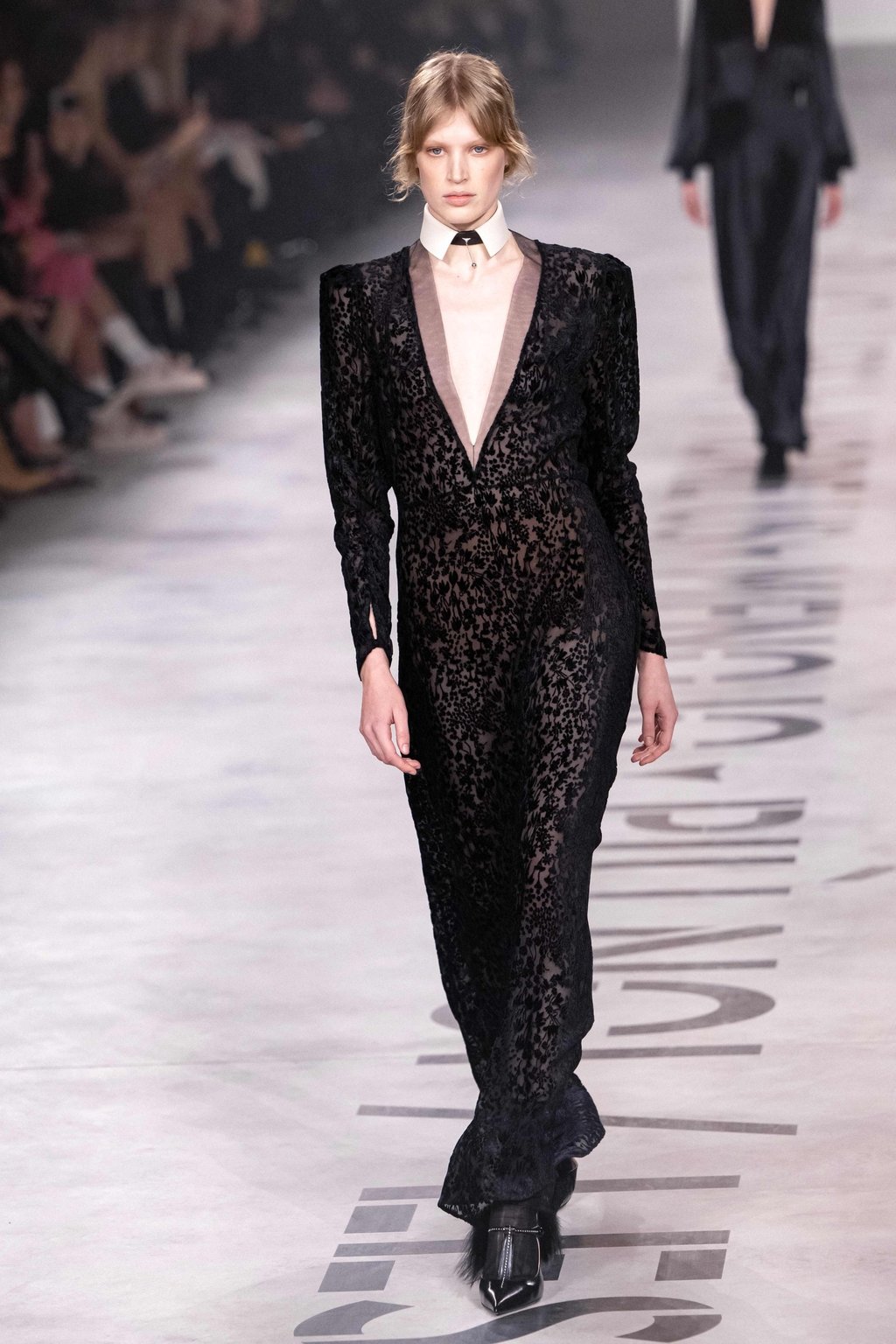
With this show, I really wanted to clarify the cornerstones of Fendi, like the selleria (saddlery heritage) and the link with fur, that softness. It was about bringing back those codes that are essential to the house. I wanted to put things in order and explain what the Fendi alphabet is. To give you an example, the shirt collars in the show were actually a reference to those worn by the actual Fendi sisters back in the day. After I joined, I thought, where are the shirt collars?
On her hometown of Rome, where Fendi was also born
I love Rome; it’s a constant source of inspiration. It’s also a place where you can try things without too many expectations. You don’t feel under pressure in Rome. You can make mistakes and even fail and then begin again. From that aspect, Rome is really more welcoming. I always say you learn more from your mistakes and then you can just start again.