From Coco Chanel to Dua Lipa, how costume jewellery became a symbol of empowerment

A new book by jewellery editor Carol Woolton explores how accessible jewels changed both tastes and how women adorned themselves
As Chanel herself – a long-time lover of costume jewels who only ever designed one high jewellery collection with Bijoux de Diamants in 1932 – once said, “Costume jewellery is not made to give women an aura of wealth but to make them beautiful.”
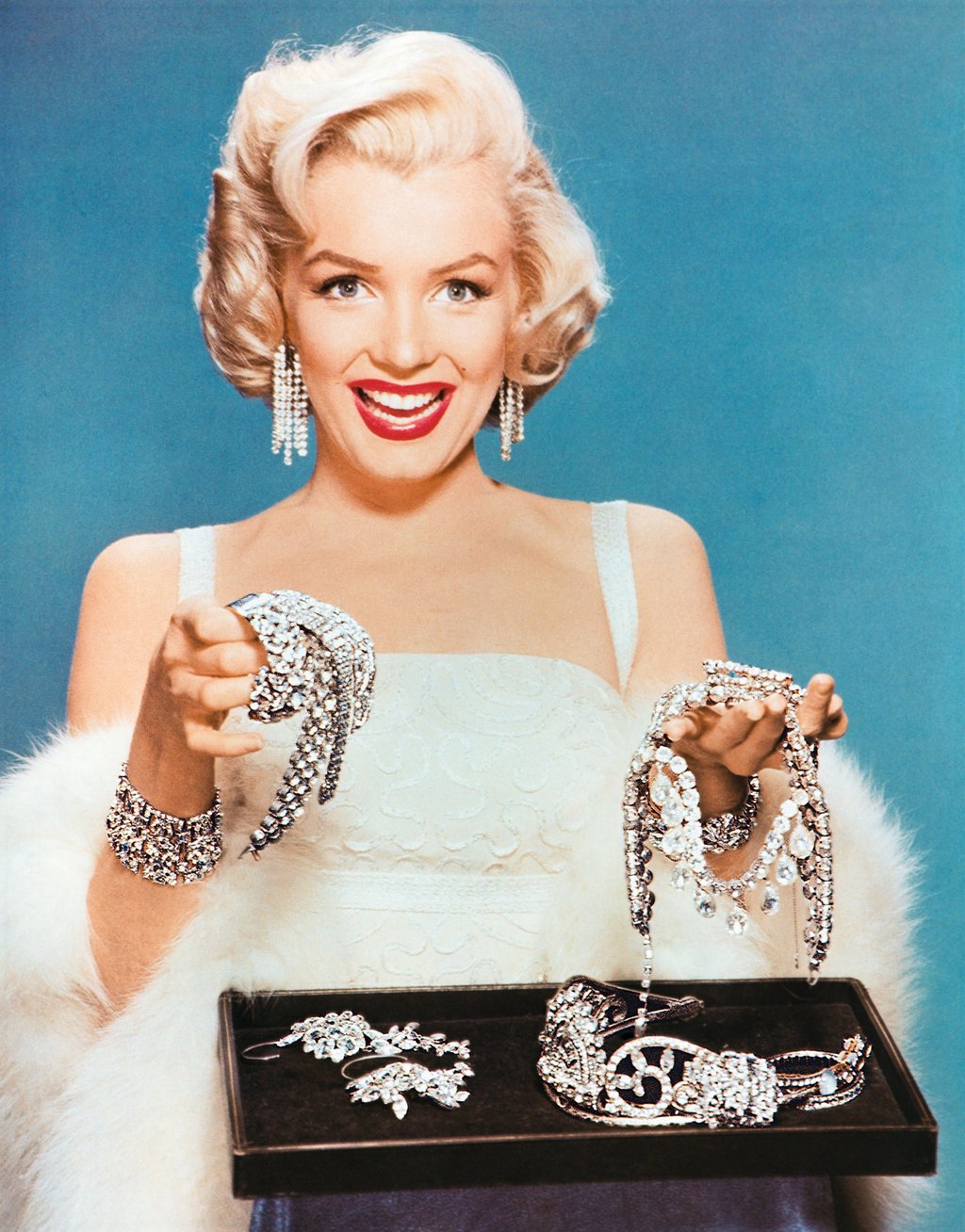
Chanel is one woman of exceptional taste featured in renowned jewellery editor Carol Woolton’s lush new coffee table book, Costume Jewelry. Co-authored with art historian Maria Luisa Frisa, the book examines nearly 600 jewels from the 1930s to the new millennium, to chart how accessible jewels changed both tastes and how women adorned – and empowered – themselves.
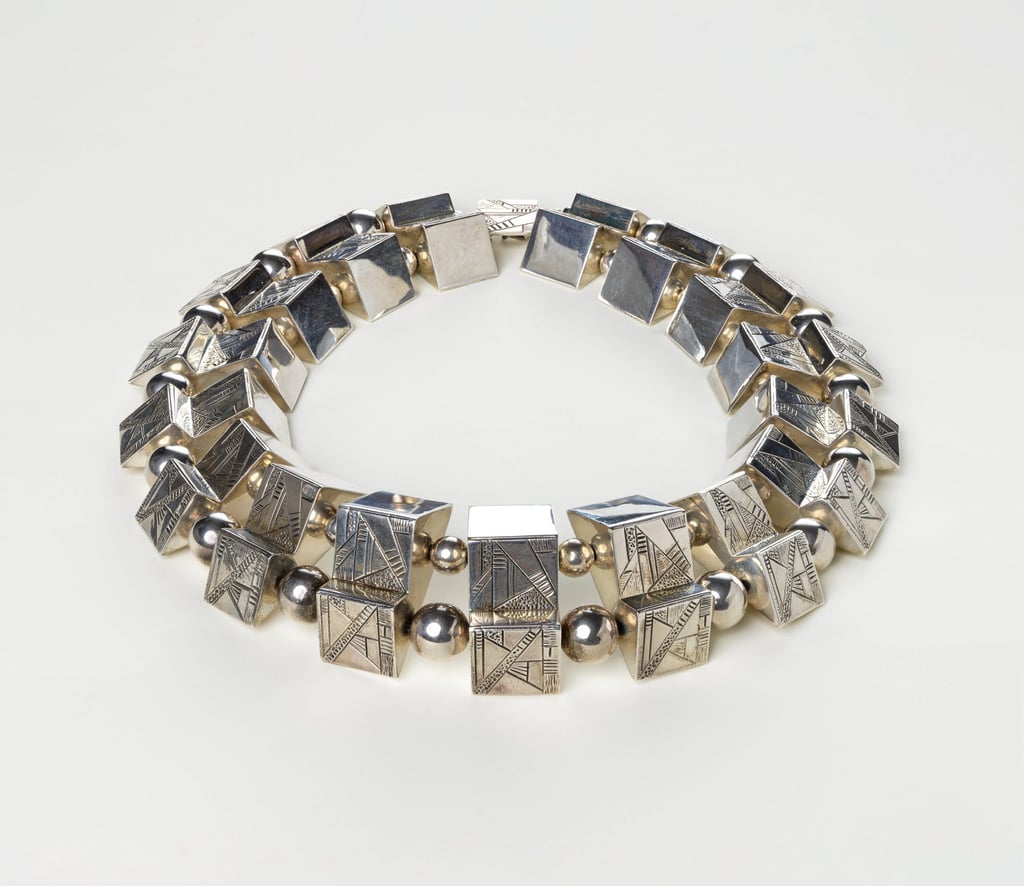
“With her encouragement, costume jewels began to be valued in their own right as beautiful adornments, rather than imitations of precious gems. And although she favoured baroque designs, they were never worn to mimic the antique,” Woolton continues. “She believed that jewellery shouldn’t be worn as a sign of wealth, which was tantamount, she said, to ‘wearing a cheque around your neck’. [Chanel said,] ‘The mania to want to dazzle disgusts me; jewellery is not meant to arouse envy, still less astonishment. It should remain an ornament and for amusement.’”
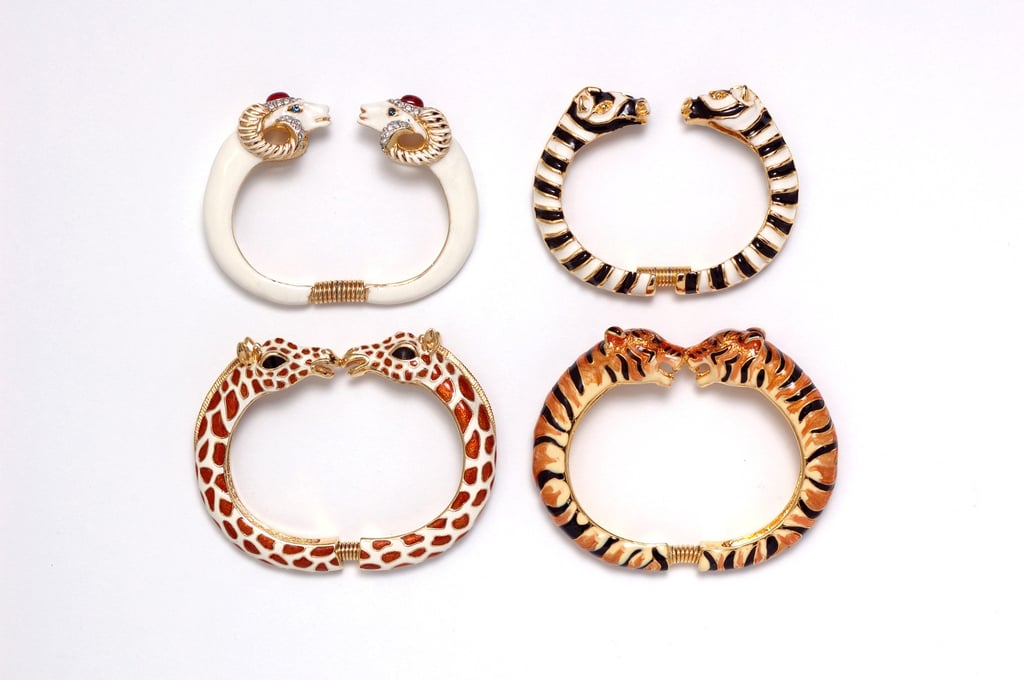
“She helped costume jewellery become a leveller in society,” the author affirms.