Why capes are coming back as such a distinctive accessory, worn by Blackpink’s Jennie and Kim Kardashian

Lately worn by Kim Kardashian and Jennie of Blackpink, the cape can carry royal and religious associations, or recall superheroes and characters from fantasy and folklore
For such a simple garment, the cape – worn over many centuries by Roman emperors, medieval knights and present-day royalty – carries a lot of weight.
“Humans through time have understood that it makes a wonderful frame for the body,” says Nancy Deihl, a fashion historian and chair of the department of art and art professions at New York University. “Since a cape is basically an untailored or unsewn piece of cloth, it has infinite possibilities.”
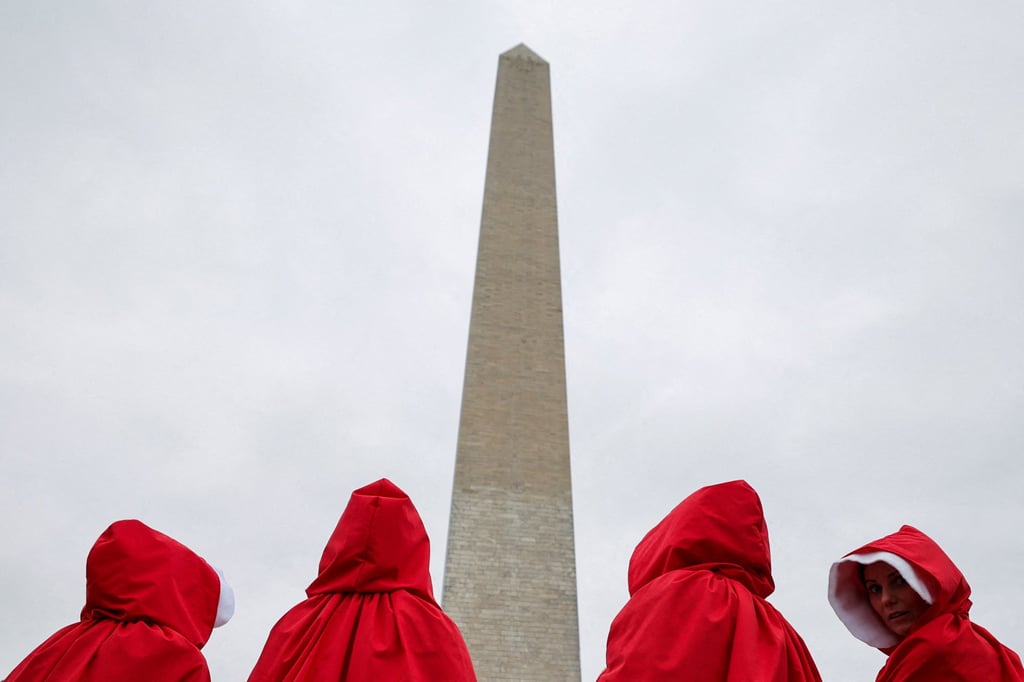
With a little help from horror, fantasy and folklore, capes continue to make a larger-than-life impression on pop culture, donned by fictional characters as diverse as Dracula, Superman, Harry Potter and Little Red Riding Hood. Red hooded cloaks – the cape’s not-so-distant cousin – have even become a protest symbol for women’s rights against the backdrop of the Trump administration in the US, inspired by the hit TV series The Handmaid’s Tale.
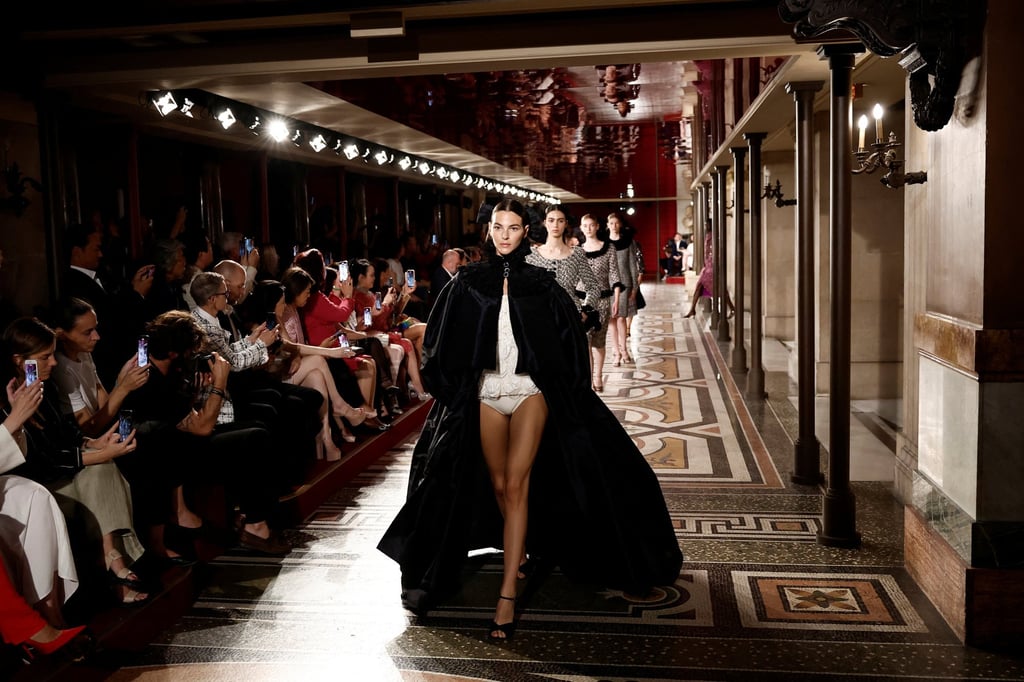
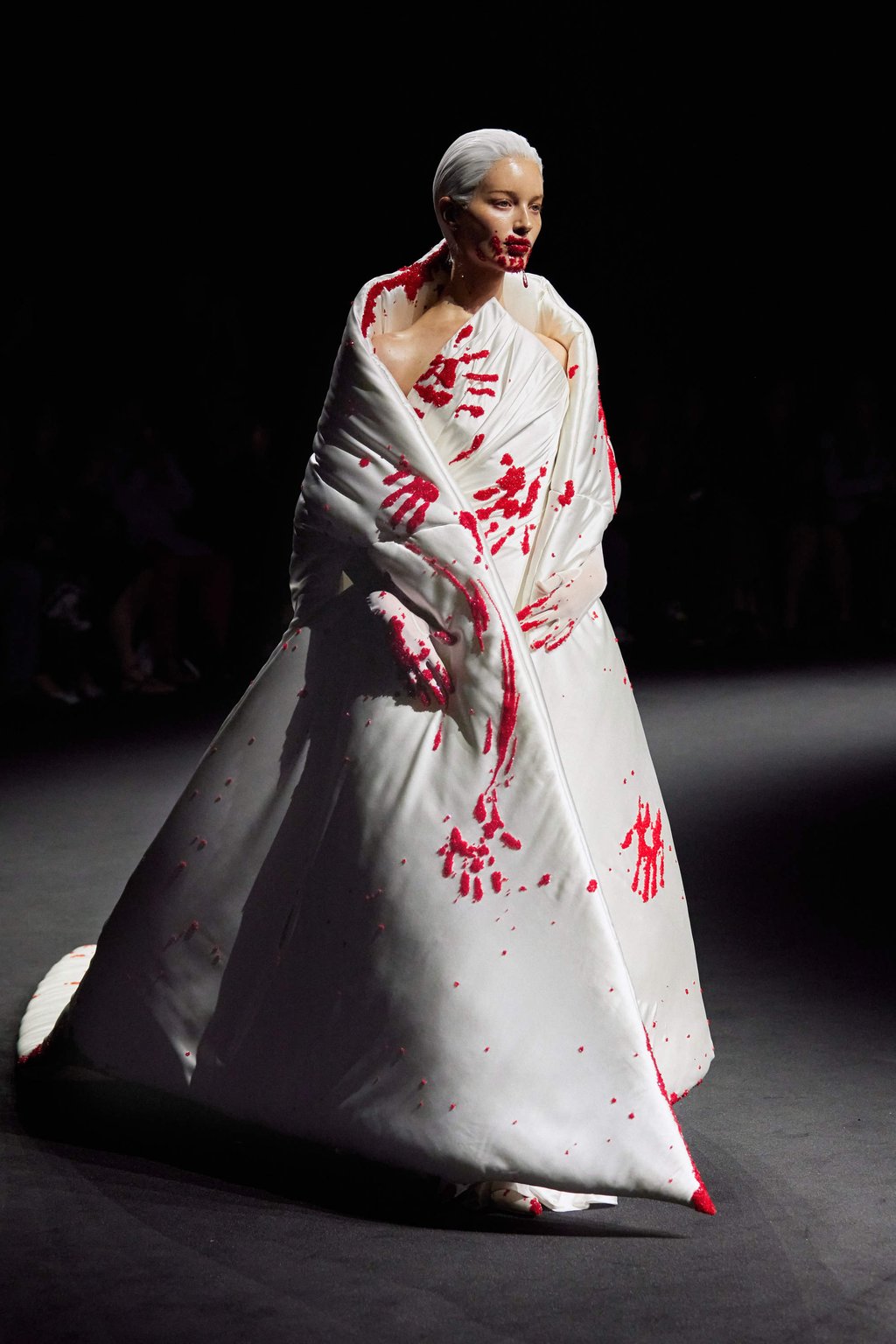
Our enduring fascination with capes makes them attention-grabbing but not necessarily attention-seeking, the perfect canvas for magic and mystery. “When a cape is at rest, it can serve as a background,” Deihl explains. “When it’s tightly wound around the body, it provides concealment, modesty. And when it’s in motion, it adds drama and can make a person look more impressive – someone we need to pay attention to.”
Capes have thus come to symbolise self-expression, status and even spirituality in certain contexts. Early couture designers like Jeanne Lanvin and Cristóbal Balenciaga found virtue in a cape’s elegant simplicity, using it to experiment with form, volume and texture, while celebrities like Liberace and Elvis opted for opulent versions to bolster their ostentatious personas.
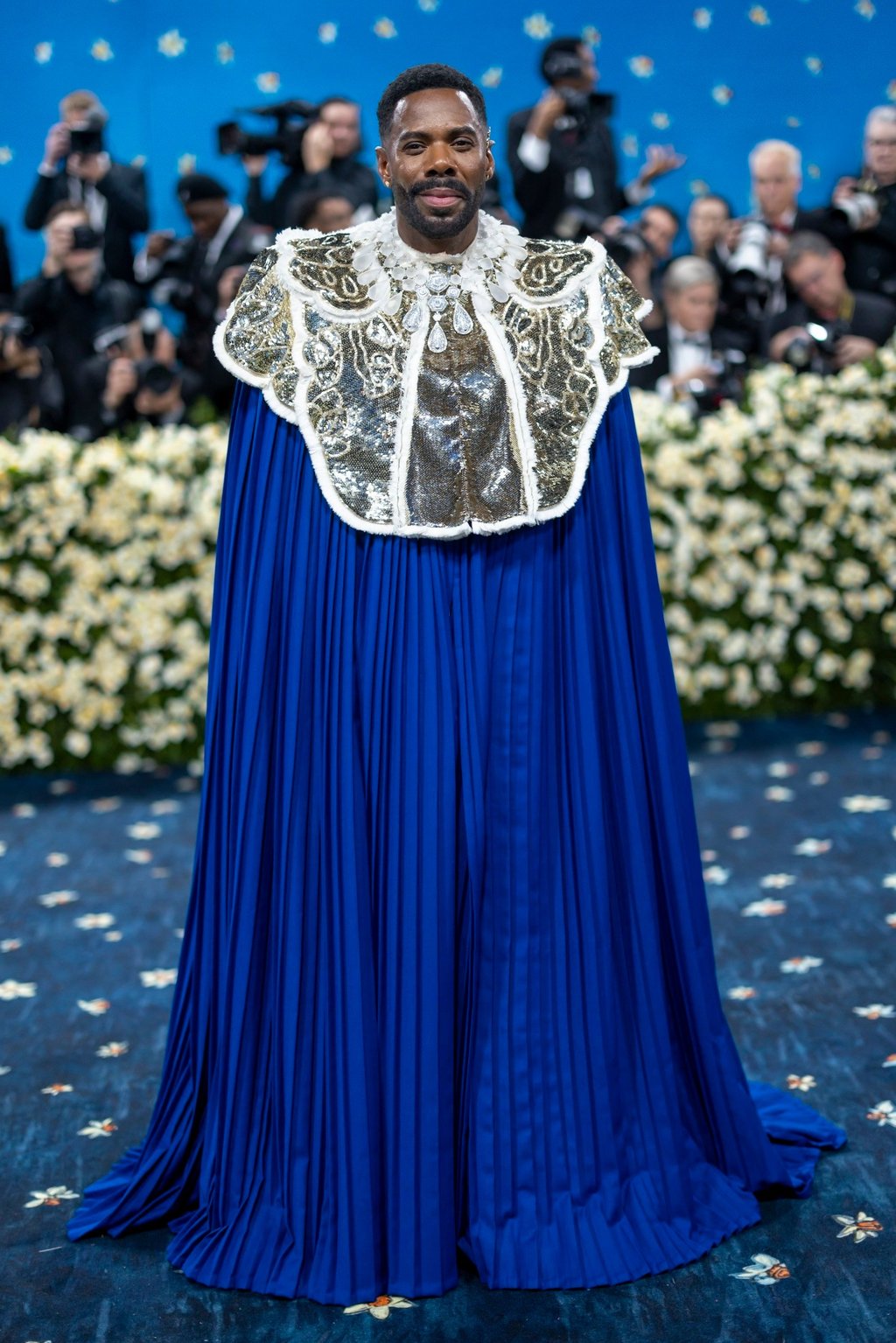
Deihl also points out that capes are favoured by religious leaders as well as royal ones, as seen in the 2024 film Conclave, and shows like The Crown and The Gilded Age. “Since many royals through history claimed a divine origin for their power, it makes sense that adopting the costume of the clergy would convey that association.”