From Guangdong to New Mexico, craft-focused brands are shaping fashion’s future

As labels like Bode, Diotima, Kinyan Lam and Josh Tafoya show, some of fashion’s most original voices are rooted in centuries-old traditions
Heritage crafts have always formed a core part of the luxury brand story, with legacy houses leveraging their traditional skills, techniques and exceptional workmanship to set them apart from the rest. As it becomes one of the industry’s most valuable currencies, emerging brands are following in kind by embracing traditional crafts as a way to differentiate themselves while appealing to the tastes of the modern consumer.
Take American label Bode, one of the first of this new generation of craft-focused brands, which was founded by International Woolmark Prize winner Emily Adams Bode Aujla. A favourite with collectors and fashion lovers, its handmade garments are crafted from upcycled antique textiles and historical fabrics, creating not only modern pieces but a narrative that is rich and compelling.
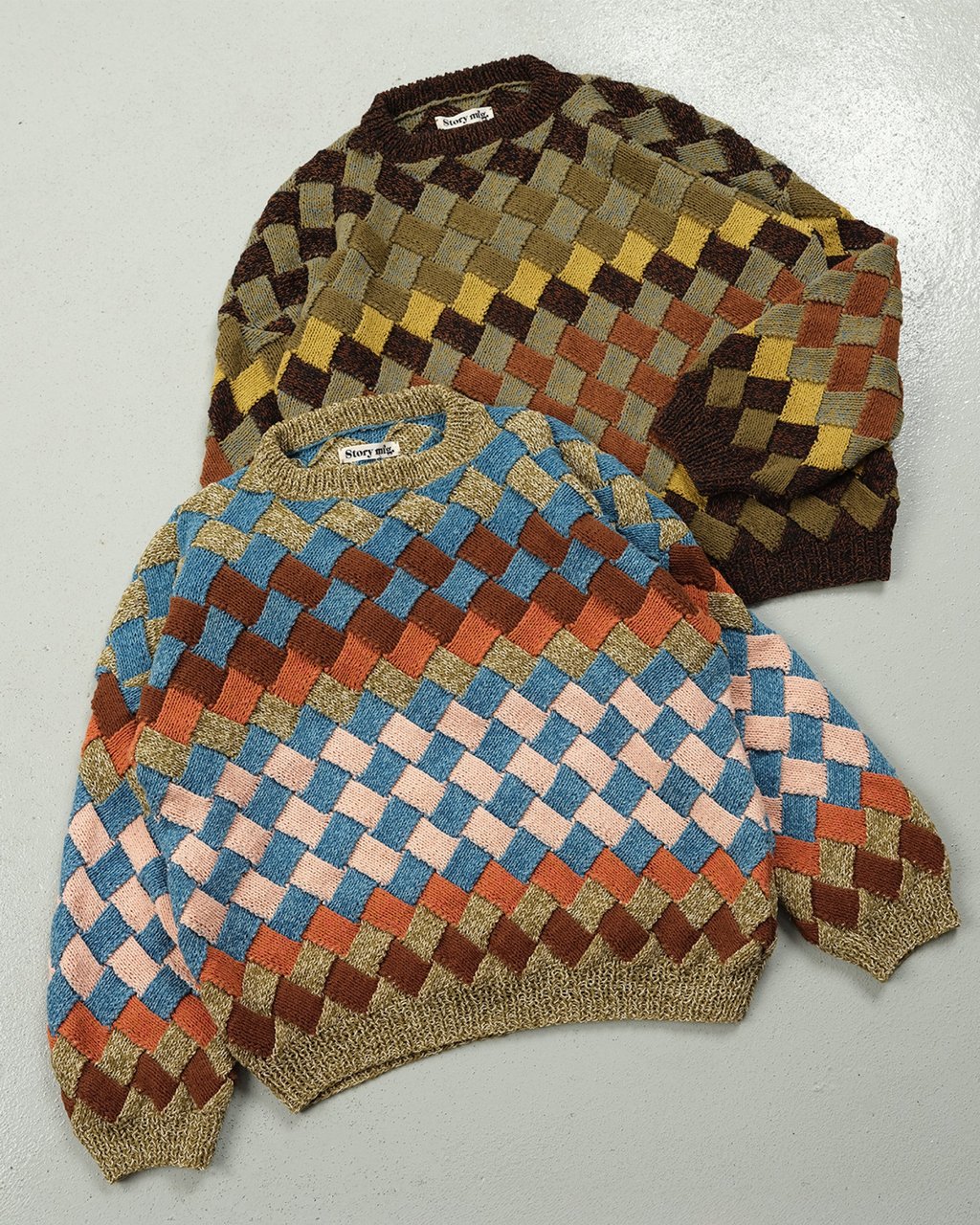
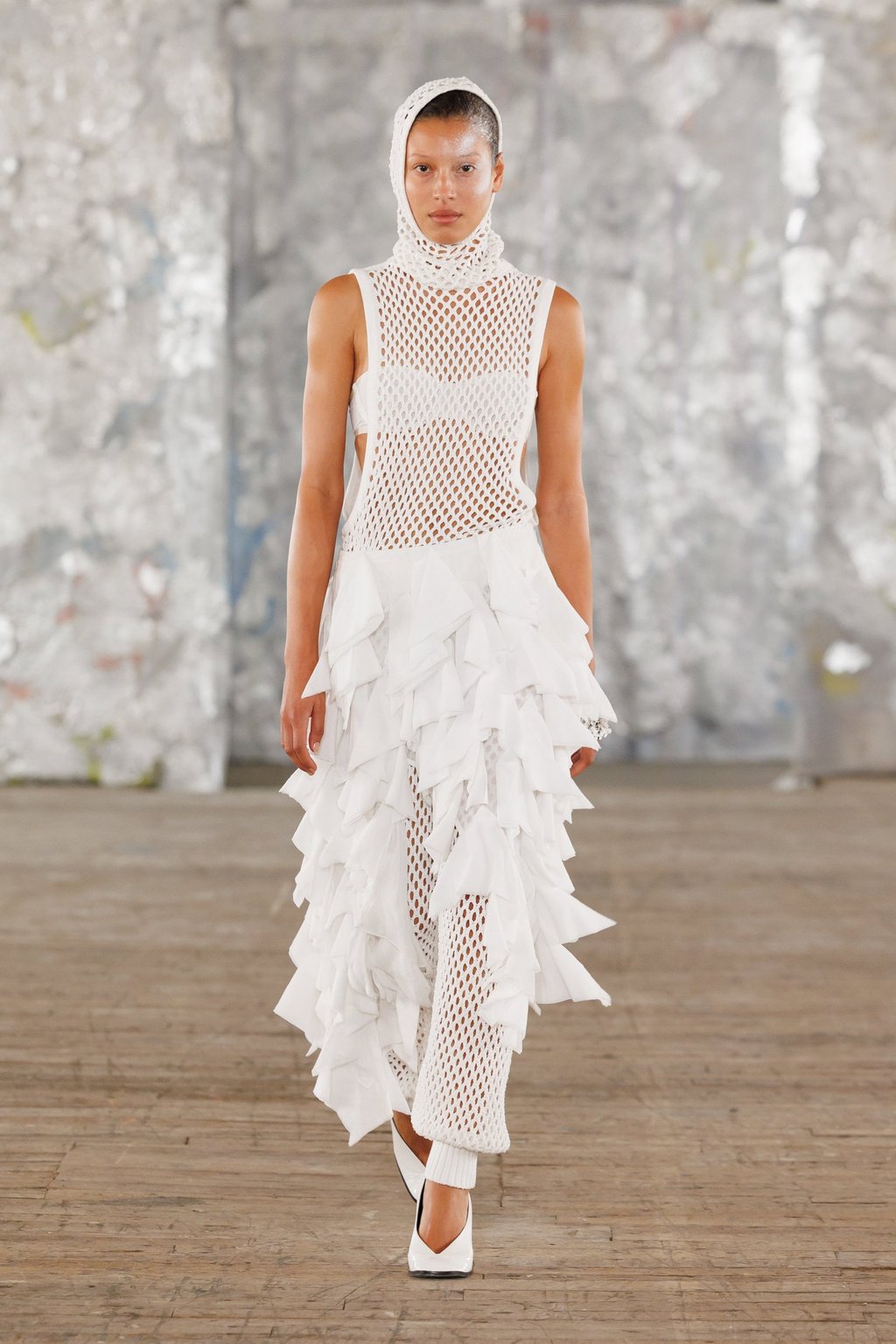
“Within that process I started exploring the history of my family along with the history of weaving, which led to the creation of my fashion brand,” explains Tafoya. “I wanted to create work that had a personal story and meaning behind it. I also wanted to bring part of my culture’s history into a contemporary context while innovating our traditional crafts.”

Tafoya’s designs may pay tribute to past techniques – including a dying craft called Rio Grande weaving – but they also make a statement about fashion’s future. Sculptural shapes, bold colours, clashing patterns and intricate details lace collections that reference everything from religious iconography to camp aesthetics.
“I used to approach these crafts in the way they were intended by weaving blankets, ponchos, serapes in my collections, but I realised I could do so much more. It’s about how craft and heritage relate to me today, which means experimenting with shapes, silhouettes and styles, then including other fibres and embellishments,” he says.