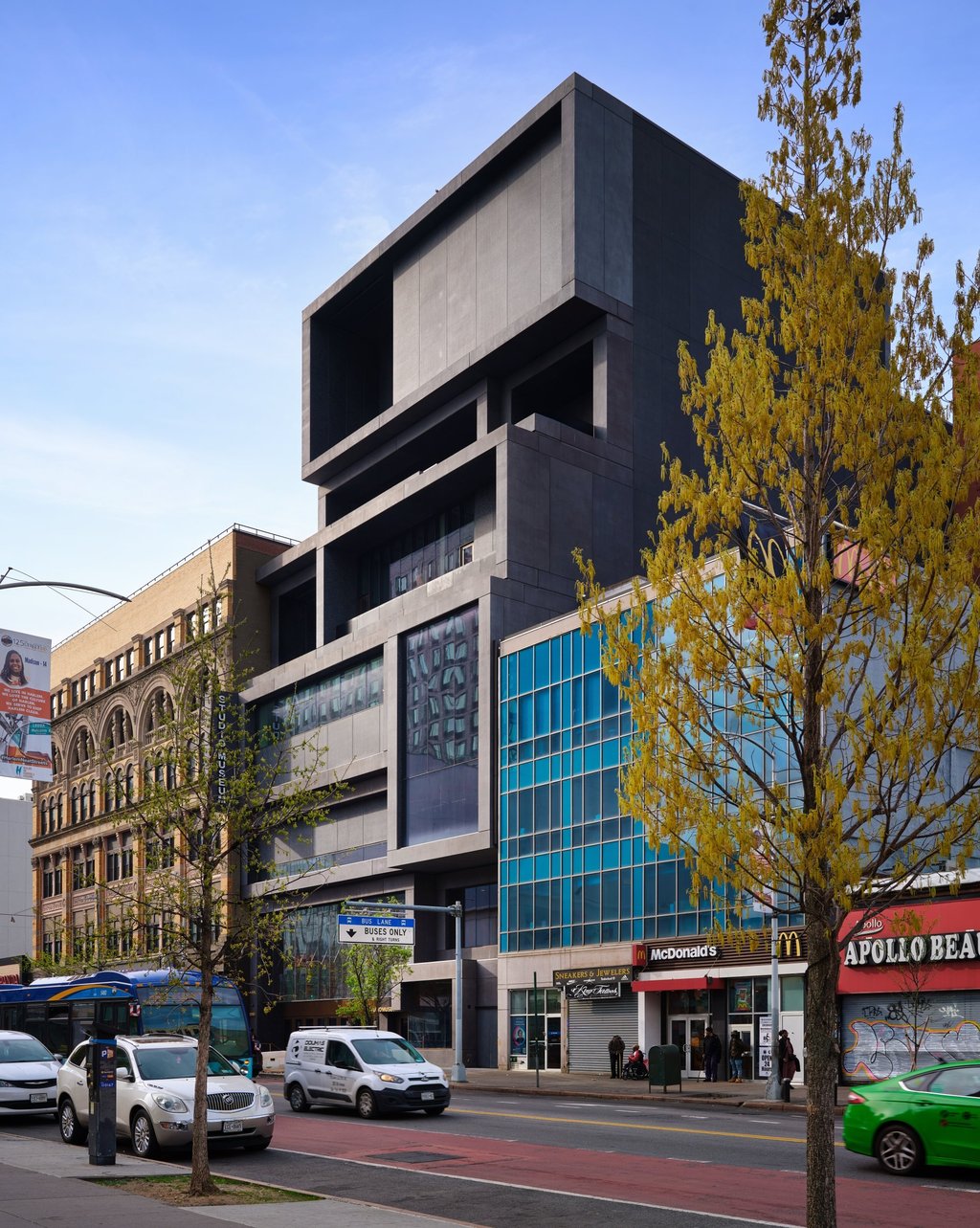
3 newly revived New York art museums to get excited about

3 museums rejoin the roster of must-see attractions in New York by the autumn, bringing important works to the fore when they matter most
New York has long been synonymous with stellar museums. From Staten Island to the Bronx, more than 170 of all kinds are scattered across its five boroughs. Now, after years hidden behind scaffolding, three of the city’s most iconic art institutions – The Frick, the New Museum and the Studio Museum in Harlem – will all finally reopen by this autumn.
Each is offering expanded public spaces and ambitious inaugural exhibitions, reaffirming their contribution to the city’s cultural landscape. One of the country’s best collections of European Old Masters will be reinstalled in The Frick’s refreshed galleries, with more works on view than ever before. The New Museum’s expansion creates a larger platform for emerging and experimental artists, and the Studio Museum in Harlem continues to champion artists of African descent while also providing a new creative hub for the local community.
“What’s particularly special is that we’ve all been around and had a presence in our neighbourhood and the larger ecosystem for years,” says New Museum artistic director Massimiliano Gioni. “We aren’t new kids on the block – each one of us is reconnecting to a long history and making a much larger contribution.”
The Frick Collection
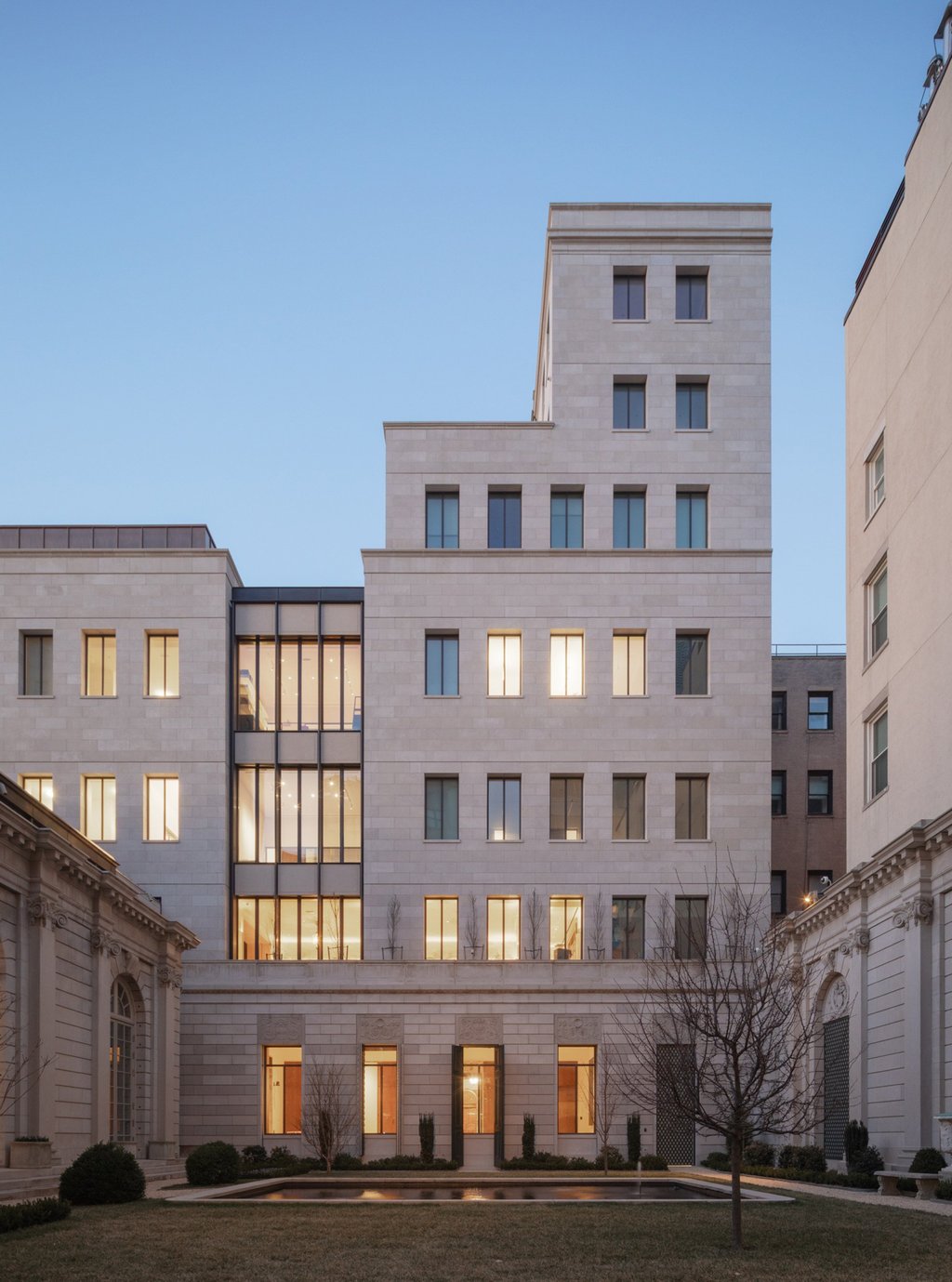
One of New York’s most revered museums, The Frick reopened to the public in April following a five-year renovation. The former home of industrialist Henry Clay Frick, the Upper East Side mansion was transformed into a museum in 1935 and has remained largely unchanged since. The art world’s go-to architect, Annabelle Selldorf – known for designing blue-chip galleries like David Zwirner and Hauser & Wirth – has given the former family home a major facelift. “Many people cherish The Frick for its intimate setting, which lets visitors experience masterworks up close with minimal distractions,” says Aimee Ng, John Updike curator (so named for the museum’s association with the late author). “The recent renovation maintains this atmosphere while making the building more accessible.”
The red rope that has blocked access to the family’s private quarters for the last five decades has now been dropped, allowing the public to enter the bedrooms and living quarters, which have been transformed into galleries. “The domestic scale of these second-floor spaces, including around 10 rooms and several passageways, creates an ideal atmosphere for engaging with the collection,” says Ng of the ornate spaces adorned with ceiling murals, marble fireplaces and intricately carved woodwork.
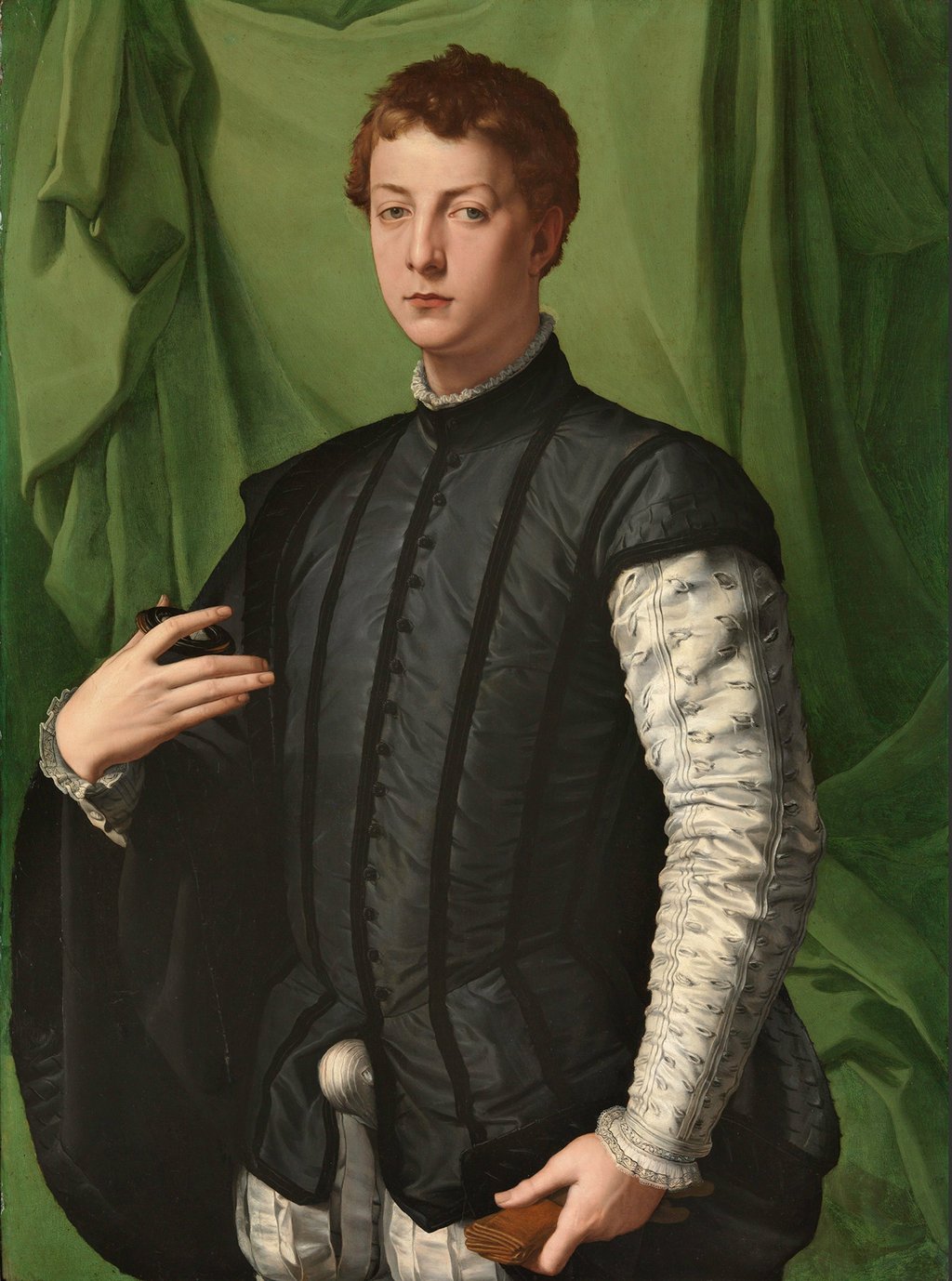
Iconic paintings have been reinstated in their original locations, such as English artist George Romney’s evocative Lady Hamilton as “Nature” (1782), which once again sits above the fireplace in the walnut room, formerly Frick’s bedroom. His daughter Helen Clay Frick’s room will be filled with luminous, early Italian gold-ground paintings – paying homage to her love for these Renaissance masterpieces.
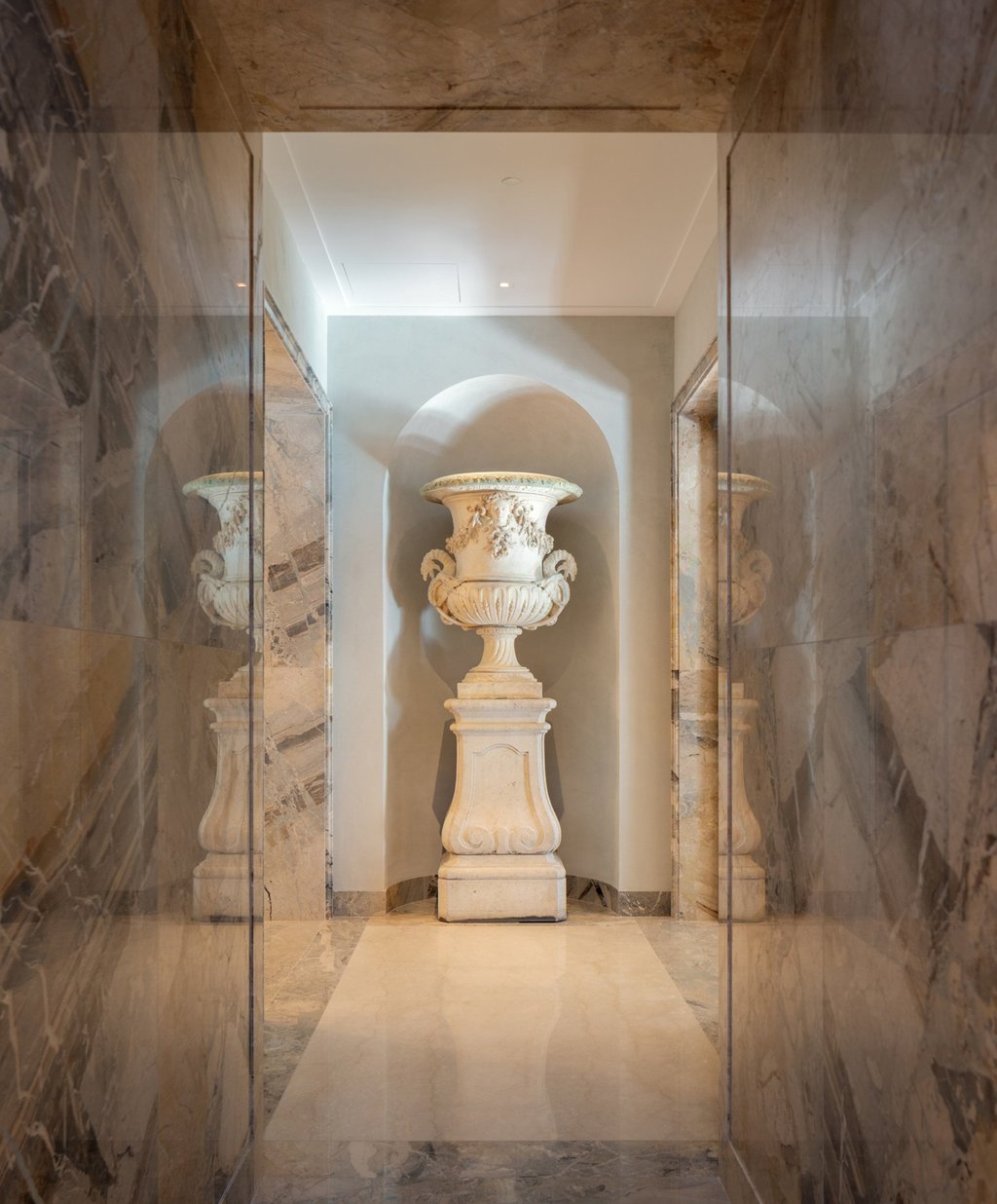
The renovation also features new spaces for public programming, including an impressive 218-seat auditorium for concerts and lectures, a new cafe and a revamped reception hall. The galleries now accommodate a greater number of works: while previously only 25 per cent of the 1,800-piece collection – which spans the Renaissance through the 19th century – could be shown, the expansion now allows close to half of all works to be displayed. The inaugural show, “Vermeer’s Love Letters”, features rare works by the 17th century Dutch master, one of the most popular names in the collection.
Studio Museum in Harlem