Q&a / How Minotti, the family-run Italian furniture designer, grew from artisan workshop to global brand

Third-generation steward Susanna Minotti discusses the company’s heritage, design philosophy and Hong Kong’s influence on its vision
Founded in 1948 by Alberto Minotti as a small artisan workshop in Brianza, Italy, Minotti has grown into a global name in contemporary furniture design, now reaching 80 countries through over 60 flagship stores and over 300 dealers.
The legacy brand’s third-generation steward Susanna Minotti visited Hong Kong in December as a keynote speaker for Business of Design Week and to celebrate the 20th anniversary of Andante – Minotti’s exclusive dealer and long-time partner – at its Design Showcase showroom on Duddell Street, Central. Style sat down with Susanna Minotti there to chat about her role as head of the interior decoration department, her design philosophy, and how Asian markets like Hong Kong continue to shape Minotti’s story.
As a third-generation member of the Minotti family, how do you see your responsibility in protecting the brand’s heritage while moving it forward?
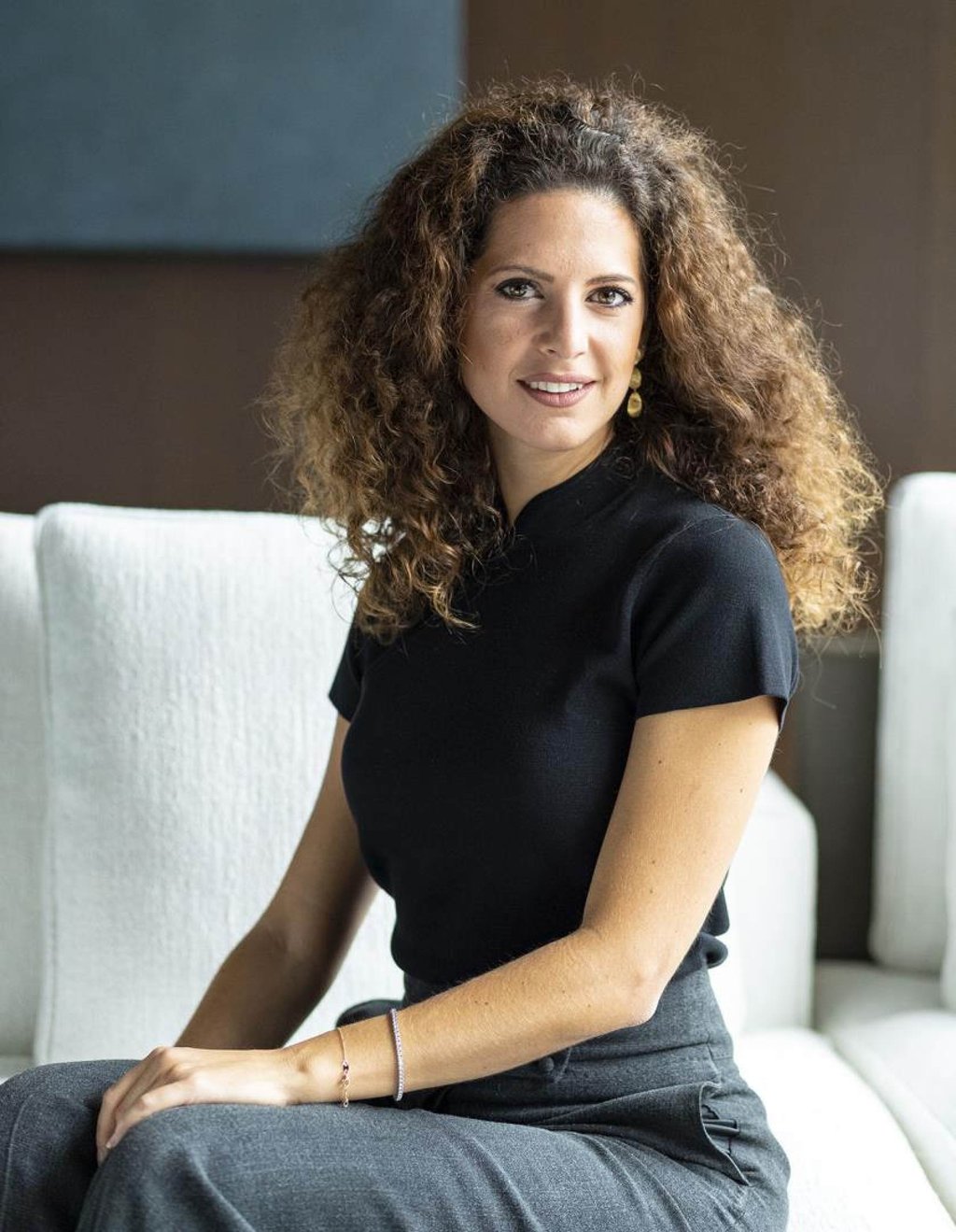
You may innovate with new techniques and machinery, but you always stay rooted in where you came from. Because if you don’t know your roots, you don’t know where you’re going.
Growing up in a family rooted in design and entrepreneurship, what early experiences shaped your personal bond with the business?
I studied interior design and architecture because I loved it, not because I felt obligated to join the company. That passion led me to study in San Francisco for a while and later work in the Minotti Los Angeles showroom. Being far from Italy helped me understand how meaningful what we do truly is not just in terms of design, but what “Made in Italy” represents in lifestyle and culture. That’s when I really wanted to be part of Minotti.
The third generation plays several key roles in the company. How do you and your family work together?
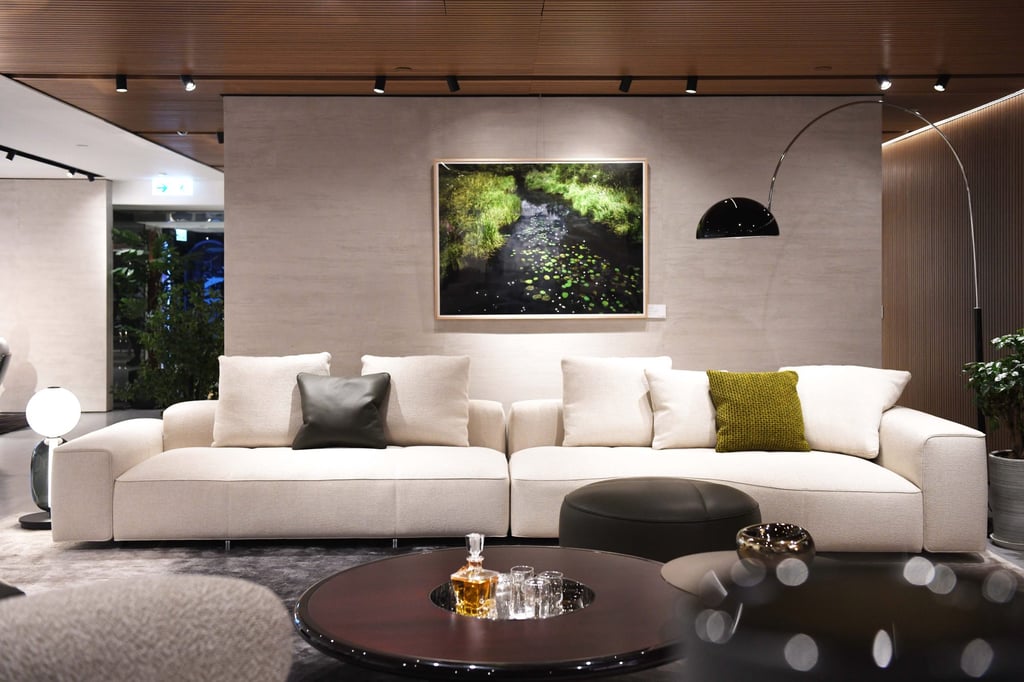
Of course, there are challenges. There are many of us, and sometimes we need to find common ground. But we all bring different strengths and backgrounds, which I think is our biggest advantage. If there’s mutual respect, it works. The priority is always the company, finding the best solution and working toward a shared vision.